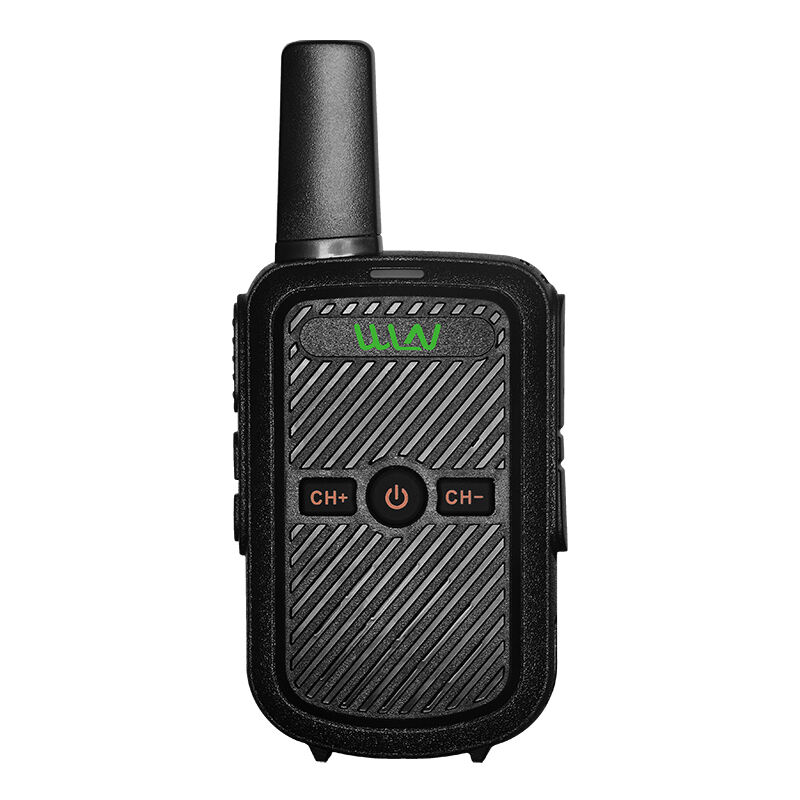
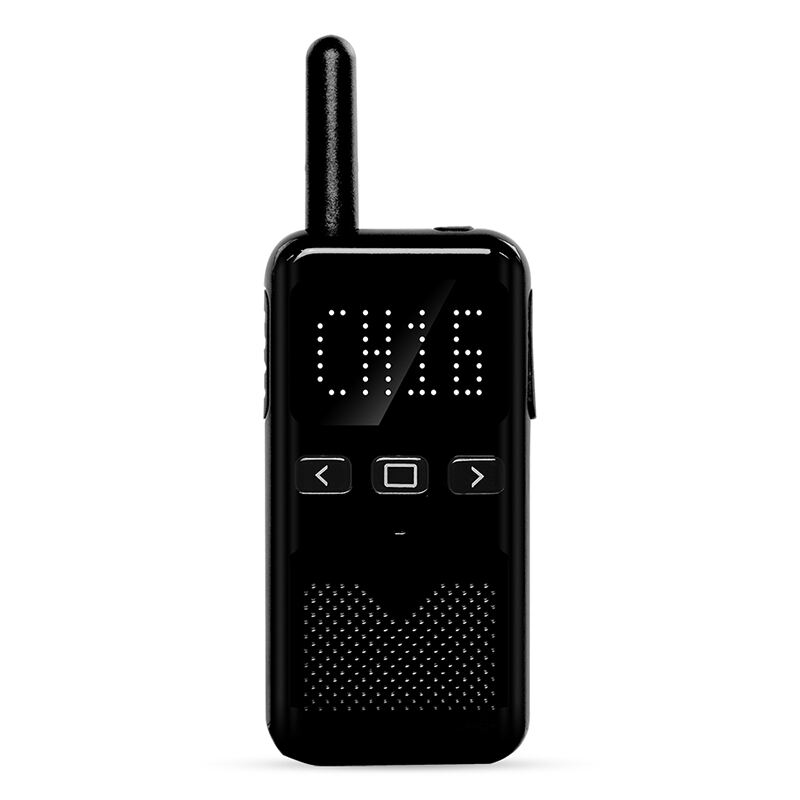
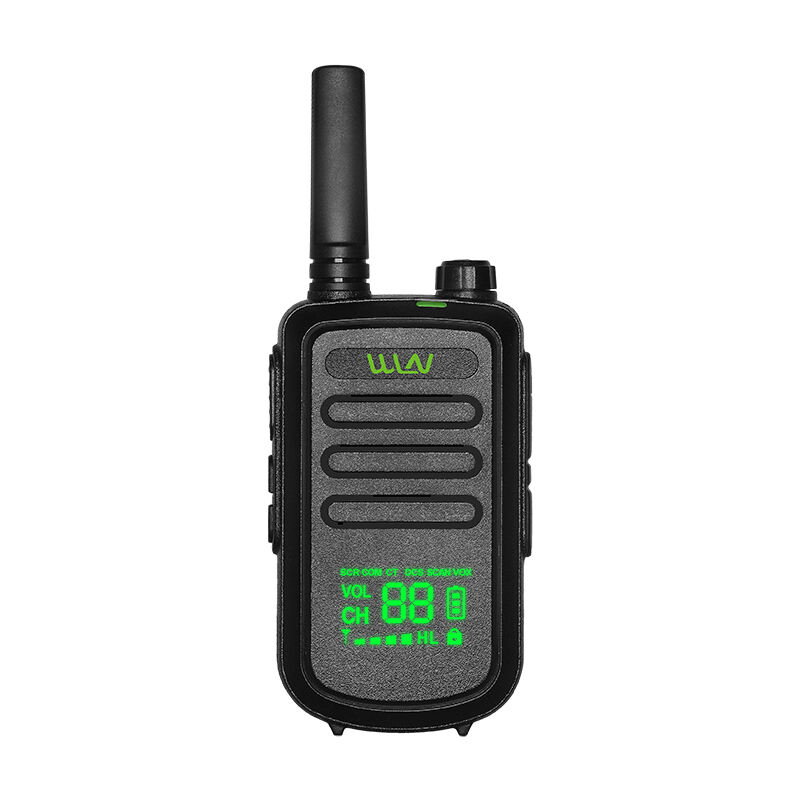
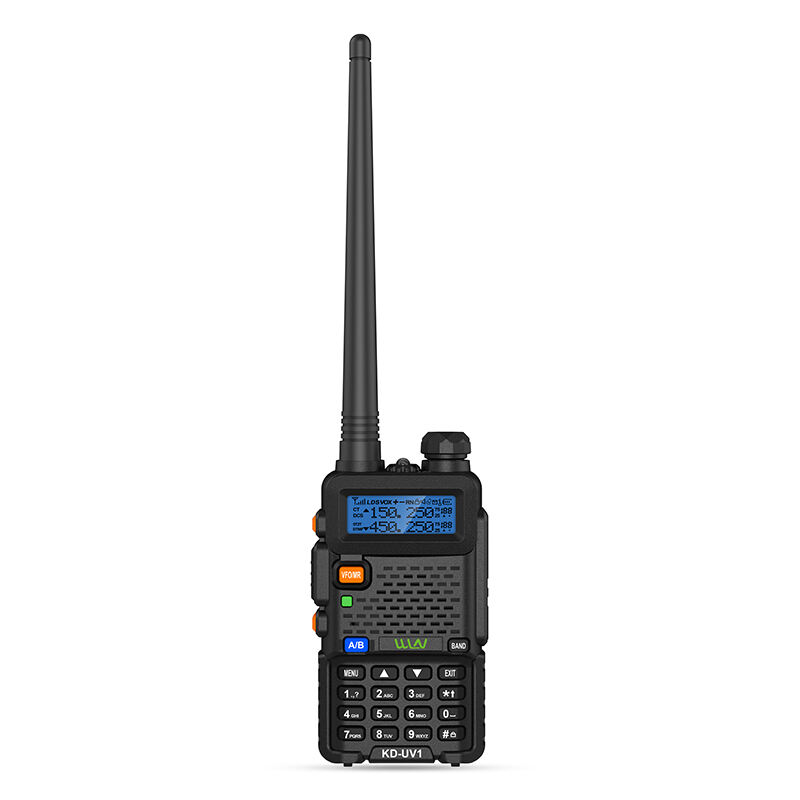
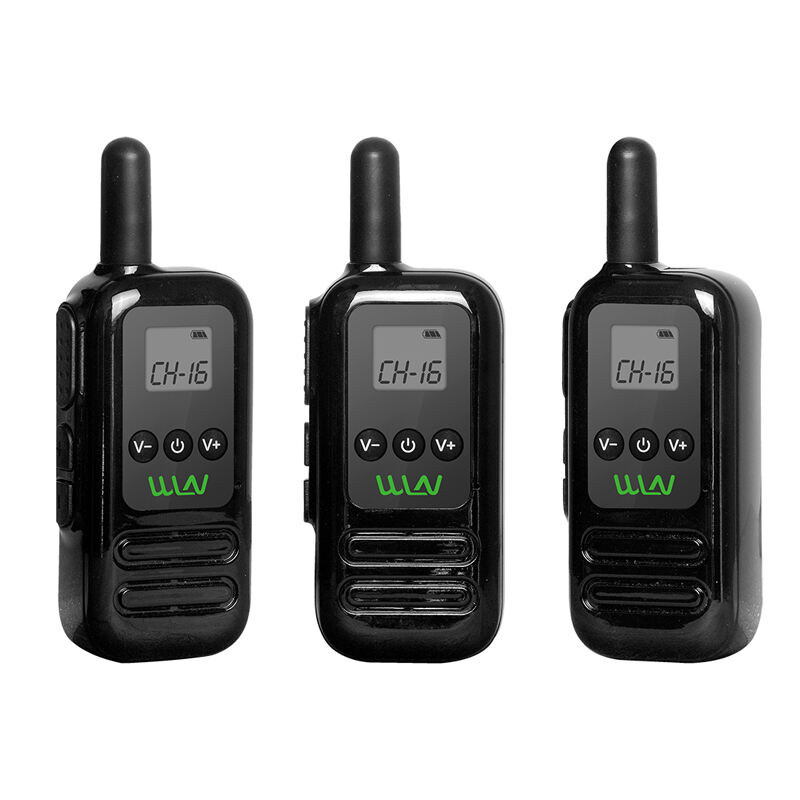
Mini radio for traffic police is a specialized communication device engineered to meet the unique demands of traffic law enforcement, addressing needs such as hands-free operation, durability in harsh weather, resistance to vehicle vibrations, clear communication in noisy traffic, and compatibility with law enforcement communication systems. Quanzhou Kaili Electronics Co., Ltd. develops this radio by integrating traffic police-specific features with its expertise in wireless walkie-talkies, leveraging its 12,000-square-meter standard factory, advanced production lines, and imported testing instruments to create a tool that enhances safety and efficiency for traffic police officers during daily patrols, accident responses, and traffic control. The primary requirement for traffic police—who often operate in dynamic, high-risk environments—is hands-free functionality, and this radio delivers through voice activation (VOX) technology with three adjustable sensitivity levels. The VOX system is calibrated to trigger only at the officer’s speech volume, ignoring background noise like engine roars or siren sounds, allowing officers to communicate while directing traffic, writing tickets, or assisting motorists without pressing a talk button. The radio also includes a 3.5mm jack compatible with law enforcement-grade throat microphones (included in some packages) that pick up speech via vibrations in the throat—ensuring clear communication even when the officer is wearing a face mask or helmet, or when traffic noise exceeds 90 decibels (common on highways). Quanzhou Kaili Electronics tests the VOX system and throat microphone in simulated traffic environments (using recorded highway noise) to verify that speech is captured accurately without false activations. Durability is critical for traffic police, who are exposed to extreme weather (rain, snow, extreme heat), vehicle vibrations, and potential impacts (e.g., being bumped by vehicles or falling onto asphalt). The radio’s casing is made of a high-impact composite material (glass-reinforced polycarbonate) that can withstand drops from 2.5 meters onto concrete—simulating a fall from a patrol car or traffic barrier. It meets an IP67 waterproof and dustproof standard, allowing it to operate in heavy rain (up to 100mm/hour) or snow without water intrusion, and it resists dust accumulation from road construction zones. The radio undergoes vibration testing (simulating patrol car vibrations at 60km/h for 48 hours) to ensure internal components remain stable, and temperature testing (-30°C to 70°C) to function in freezing winter nights or hot summer afternoons on asphalt. Clear communication in noisy traffic environments is achieved through advanced digital noise reduction technology and a high-output speaker. The radio’s DSP (Digital Signal Processor) filters out 85% of traffic-related noise—including engine sounds, tire screeches, and siren wails—while amplifying speech frequencies (300Hz–3kHz) to ensure clarity. The speaker delivers audio at 95 decibels, which cuts through highway noise and can be heard even when the officer is wearing ear protection (common during construction zone patrols). The radio also supports a "priority alert" function that automatically increases the volume of incoming emergency calls (e.g., backup requests for accident scenes) to ensure they are not missed in loud environments. Compatibility with law enforcement communication systems is a key feature: the radio supports UHF frequencies used by traffic police departments worldwide (e.g., 450–470MHz in China, 406–470MHz in the US) and is programmable to match existing departmental channels. It includes 16 adjustable channels and 38 CTCSS/DCS privacy codes to prevent interference with non-law enforcement radio users, and it can integrate with dispatch systems via a dedicated data port (in premium models) to receive real-time information like license plate checks or warrant alerts. Quanzhou Kaili Electronics works with law enforcement agencies to pre-program channels and privacy codes before delivery, ensuring the radio is ready for use immediately. Battery life is optimized for 12-hour patrol shifts: the radio uses a 2000mAh high-capacity lithium-ion battery that provides up to 18 hours of continuous talk time and 100 hours of standby time—enough to last through a full shift without recharging. It supports fast charging via a USB-C port and includes a vehicle charger that plugs into a patrol car’s 12V outlet, allowing officers to recharge the radio during breaks. The battery has a built-in protection circuit that prevents overcharging (critical when left in patrol cars overnight) and maintains 80% capacity after 500 charge-discharge cycles. Additional traffic police-specific features include a large, glove-friendly talk button (textured for grip in wet weather), a backlit LED display that is visible in direct sunlight and at night (to avoid distracting other drivers), and a heavy-duty belt clip that attaches to a police duty belt and can withstand 10kg of pull force—preventing loss during active movement. The radio also has a "silent mode" that disables beeps and tones (e.g., channel change alerts) to avoid drawing attention during undercover operations or surveillance. Adhering to its "quality win" philosophy, Quanzhou Kaili Electronics subjects each mini radio for traffic police to 18 stages of quality control, including impact testing, waterproof testing, noise reduction verification, and compatibility testing with law enforcement systems. With over 250 employees dedicated to R&D and production, this radio serves as a critical tool for traffic police worldwide, enhancing their ability to maintain public safety and enforce traffic laws—aligning with Quanzhou Kaili Electronics’ goal of delivering high-quality, mission-critical products.