
 EN
EN



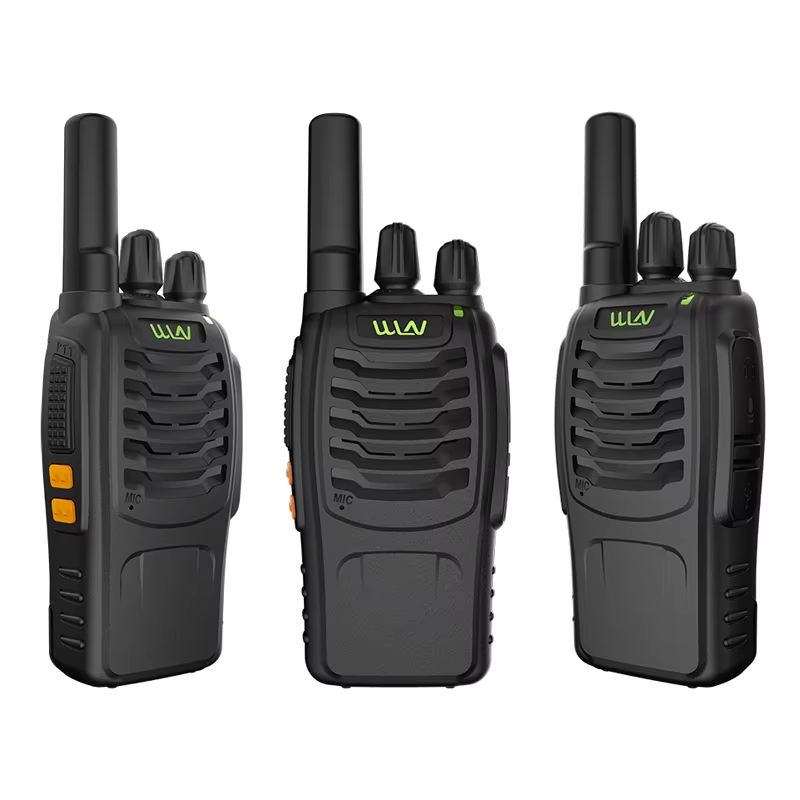
The Evolution and Functionality of Earhook Radio Technology
Understanding earhook radio design and how it enables hands-free communication
Earhook radios tackle those pesky hands-free communication issues thanks to their ergonomically designed shape that sits comfortably over the ear. Workers no longer need to hold onto bulky devices when they're busy running machines or moving around materials all day long. Plus, these radios pick up voices clearly so there's no need to shout across noisy environments. What makes them stand out is how the curved hook spreads out the weight, which means less pressure on sensitive areas after hours of wear. And let's not forget about those microphones positioned just right to grab every word spoken, eliminating the hassle of constantly fiddling with settings during critical moments on site.
The evolution of hands-free communication in industrial and service workplaces
Workplaces started swapping out those big old walkie talkies for smaller earhook radios when companies began caring more about worker mobility and keeping people safe on the job. Manufacturing plants were typically the first ones to bring in this tech so they could keep assembly line workers connected better. Healthcare facilities picked it up next, especially hospitals where quick response times matter a lot. Retail stores came along too, wanting staff to handle customer questions faster without missing anything important. Things really took off once OSHA released those 2016 rules about protecting hearing in noisy environments. The guidelines made it clear how dangerous long term exposure was with the old speaker systems that everyone used back then. Looking at recent numbers from Industrial Safety Journal (2023), around two thirds of all warehouses now rely primarily on these earpiece devices for day to day communications between workers.
Key features of modern earhook radios: comfort, durability, and audio clarity
Modern models excel in three critical areas:
- Comfort: Silicone-coated hooks and breathable materials accommodate 12+ hours of continuous wear
- Durability: IP67-rated components withstand dust, water jets, and 2-meter drops common in construction and manufacturing
- Audio clarity: Dynamic noise suppression filters out 85% of background machinery sounds while amplifying voice frequencies
Improving Workplace Safety with Instant, Reliable Communication
Reducing Risks in Hazardous Environments Through Constant Connectivity
People working in places like oil refineries, chemical processing plants, and construction sites run serious dangers whenever there are communication problems between team members. Earhook radios solve this issue pretty well because they stay connected no matter what kind of harsh environment someone is dealing with. These devices let workers immediately tell others about dangerous situations such as leaking gases or broken equipment parts before things get worse. According to research published last year from the field of industrial safety, companies that switched to earhook radio systems saw around 38% fewer avoidable incidents than those still relying on old fashioned hand held radios. What makes these radios so good? They free up both hands for holding tools safely while keeping operators aware of their surroundings at all times. This matters a lot when someone needs to handle big machines or walk across high structures where falling could be deadly.
Faster Emergency Response with Real-Time Communication via Earhook Radio
When things go wrong with equipment or someone has a medical issue, how fast people respond really matters for what happens next. Earhook radios cut down on those frustrating moments where folks are scrambling to find their communication devices or trying to be heard above all that machine noise. Take a look at this report from the port authority back in 2024 showing just how much difference these systems make. Dock crews who used them got to emergencies about 45 percent quicker than when they relied on old school methods. What makes these radios so useful is their voice activated PTT feature. Workers can call for assistance without letting go of whatever first aid they need to give or equipment stabilization work they're doing, which means their hands stay free right when they need them most during urgent situations.
Integrated Noise Filtering and Situational Awareness for Safer Operations
The latest earhook designs cut down on ambient noise by around 85%, so workers can block out annoying background noises like engines roaring or tools vibrating, yet still hear what people are saying clearly. Clear communication matters a lot in noisy workplaces. OSHA reports show that miscommunication contributes to roughly half of all industrial accidents. Most models come with volume controls that let folks adjust how loud they want their audio cues to be, which means hearing important warnings while still being aware of surroundings. Someone wearing these can spot an approaching truck or catch an alarm siren before it's too late. All these little details help maintain both workplace safety standards and better teamwork across different departments.
Increasing Operational Efficiency Across Industries
Streamlining workflows in retail, construction, security, and logistics with wireless earhook systems
Workers across various fields from retail stockrooms to construction sites, security operations, and warehouse management are finding that wireless earhook systems let them stay connected throughout their day without stopping what they're doing physically. Retail staff who need to restock shelves can quickly check where products should go, saving time and reducing errors. Meanwhile on construction projects, crews use these small ear mounted gadgets to keep track of materials coming in and run safety inspections efficiently. The numbers speak for themselves too security personnel working with earhook radios respond to incidents about 18 percent quicker than those relying on old fashioned handheld units according to findings published in Security Technology Review last year.
Measurable productivity gains from eliminating communication delays
Getting rid of those time consuming steps where someone has to grab a radio cuts down on communication delays by about 12 to 18 seconds each time they need to talk (according to Workflow Analysis from last year). That might not sound like much until you realize it adds up to over 45 minutes saved during a single shift for people with really busy jobs. Security staff at hospitals who wear earpiece radios have been able to handle problems 27 percent quicker because they stay connected without having to stop what they're doing. And let's face it, clear communication matters. The straight audio path these new systems offer makes messages much easier to understand. We've seen error rates drop from around 34% when using traditional walkie talkies, as noted in the Industrial Audio Journal earlier this year.
Best practices: Using PTT buttons and speaker mics to maximize efficiency
Getting the most out of earhook radios really comes down to where the PTT button is placed on the device. Most people actually find shoulder mounted controls much more comfortable for their daily work, with around three quarters preferring this setup based on what researchers have found through their studies on ergonomics. When we pair boom mics with voice activation features, workers get fewer accidental transmissions when things get noisy around them, yet they still manage to understand spoken words about 98 times out of 100. For those who spend all day near construction equipment or factory machines, there are special models available that come equipped with two separate noise canceling mics. These advanced systems can pick out human voices even when surrounding sounds reach levels above 85 decibels, which makes communication possible without shouting over constant machinery hums and bangs.
Case study: Logistics teams achieving 25% faster turnaround with earhook radios
One major logistics company rolled out earhook radios in all their 37 warehouses nationwide. The results were pretty impressive too. Package processing times dropped from around 8.4 minutes down to just 6.3 on average thanks to those real time inventory updates and quicker error fixes. That translates to roughly a 25% boost in efficiency, which means each warehouse can handle over 300 extra packages every day now. For staff dealing with delicate goods, the hands free feature made all the difference. Accidental drops went down by nearly 20%, and they could still talk back and forth with quality control without having to put everything down first.
Enhancing Team Coordination in High-Demand Work Environments
Real-time communication enabling synchronized task execution
Earhook radios are changing how teams work together because they cut down on audio lag to almost nothing. Construction workers, warehouse staff, and first responders can now tackle complicated jobs with the kind of accuracy usually seen in military operations. These devices differ from old school handheld radios where people had to press buttons manually. With their open ear design, workers stay aware of what's going on around them even as they get instructions. This matters a lot when someone is running big machines or moving around dangerous areas. Some real world testing in 2023 found that groups using these earhook systems finished loading bay tasks about 19 percent quicker thanks to constant communication without any breaks or interruptions.
Minimizing miscommunication with clear, consistent audio transmission
New generation earhook radios put an end to those frustrating "could you say that again?" moments thanks to smart noise cancellation that focuses on frequencies under 500 Hz where most factory and plant noise hangs out. By filtering out these specific sound ranges, workers can actually hear what's being said even when surroundings hit around 85 decibels of constant noise, which is pretty much standard fare in places like assembly lines or near jet engines at airports. Real world tests show something pretty impressive happened after implementing this tech. Oil refinery crews saw their mistake rate drop by almost two thirds because they weren't mishearing instructions anymore according to recent workplace safety reports from several major facilities.
Case study: Improved coordination on large construction sites
A recent skyscraper construction project in Houston saw major improvements after switching from traditional handheld radios to earhook models for all 14 contractor teams working on site. Communication problems that used to plague operations dropped around 40%, according to team reports. Supervisors noticed something remarkable too the cranes were moving exactly where they needed to go, materials arrived when expected, and overall coordination improved dramatically. Safety records tell the story best actually the number of incidents went from about 3.2 down to just 0.7 per 10,000 work hours. Why did this happen? Project managers point directly at the bone conduction tech inside these new radios. Unlike regular headsets that can slip off during strong winds, these devices stay locked securely in place even when workers are dealing with gusts that would knock over lesser equipment.
Supporting unified communication platforms and team interoperability
The latest earhook systems are starting to work together with industrial IoT setups, which means information can move back and forth smoothly between people using radios and other connected gear. Crane operators get these handy alerts about load capacities right in their ears, all while they're still talking to folks on the ground. Port authorities have tested this dual channel approach and found it makes those big lifting jobs run better. Some places saw improvements around 28%, though results vary depending on how well everything is set up and maintained.
Noise Reduction and Long-Term Hearing Protection Benefits
How earhook radios reduce harmful noise exposure in loud workplaces
Workplace noise pollution gets tackled effectively by earhook radios thanks to their ergonomically designed shapes that focus on protecting workers' hearing. These aren't your typical handheld walkie talkies that need to be held all the time. Instead, they incorporate special filtering tech that cuts down background noise but still lets people hear what others are saying clearly. The hook design fits securely in place without blocking out all sound, so employees can actually hear important alerts and machine noises even when wearing them continuously. This makes a big difference for safety in places where noise levels regularly go above 85 decibels as defined by OSHA standards. Workers don't have to take off their gear every time they want to communicate or check something around them.
Comparing traditional radios to noise-filtering earhook models
Where conventional communication systems force users to choose between hearing protection and situational awareness, modern earhook models deliver both through:
- Directional microphones focusing on speech frequencies (300–3400 Hz)
- Passive acoustic filters blocking harmful low-frequency industrial noise
- Open-ear designs maintaining 15–20 dB environmental sound awareness
This contrasts sharply with over-ear hearing protectors that isolate workers from their surroundings, potentially increasing collision risks in active workspaces.
Data insight: 40% lower noise exposure reported with
Looking at data from 12 different manufacturing plants, it turns out that workers who wear these noise filtering earhook radios actually cut down their total noise exposure by about 40% during an eight hour workday when compared to folks using regular handheld radios with outside speakers. The numbers back this up pretty well too. What's interesting is how this finding matches what NIOSH has been saying all along about preventing hearing damage. Plus, it means better protection for ears over time while still keeping communication solid and dependable on factory floors where everyone needs to stay connected.
FAQ
What are earhook radios used for?
Earhook radios provide hands-free communication, allowing workers to perform tasks without holding onto bulky devices while maintaining clear communication in noisy environments.
How do earhook radios improve workplace safety?
By providing instant and reliable communication, earhook radios help workers quickly communicate hazards, coordinate emergency responses, and maintain situational awareness in hazardous environments.
What are the key features of modern earhook radios?
Modern earhook radios excel in comfort, durability, and audio clarity, featuring silicone-coated hooks, IP67-rated components, and dynamic noise suppression.
How do noise-filtering earhook radios benefit workers?
These radios reduce harmful noise exposure while maintaining situational awareness, using directional microphones and passive acoustic filters to deliver clear communication in loud workplaces.
How have earhook radios impacted different industries?
They have improved operational efficiency, reduced communication delays, and enhanced team coordination across industries like retail, construction, security, and logistics.
Table of Contents
- The Evolution and Functionality of Earhook Radio Technology
- Improving Workplace Safety with Instant, Reliable Communication
-
Increasing Operational Efficiency Across Industries
- Streamlining workflows in retail, construction, security, and logistics with wireless earhook systems
- Measurable productivity gains from eliminating communication delays
- Best practices: Using PTT buttons and speaker mics to maximize efficiency
- Case study: Logistics teams achieving 25% faster turnaround with earhook radios
- Enhancing Team Coordination in High-Demand Work Environments
- Noise Reduction and Long-Term Hearing Protection Benefits
- FAQ

