
 EN
EN



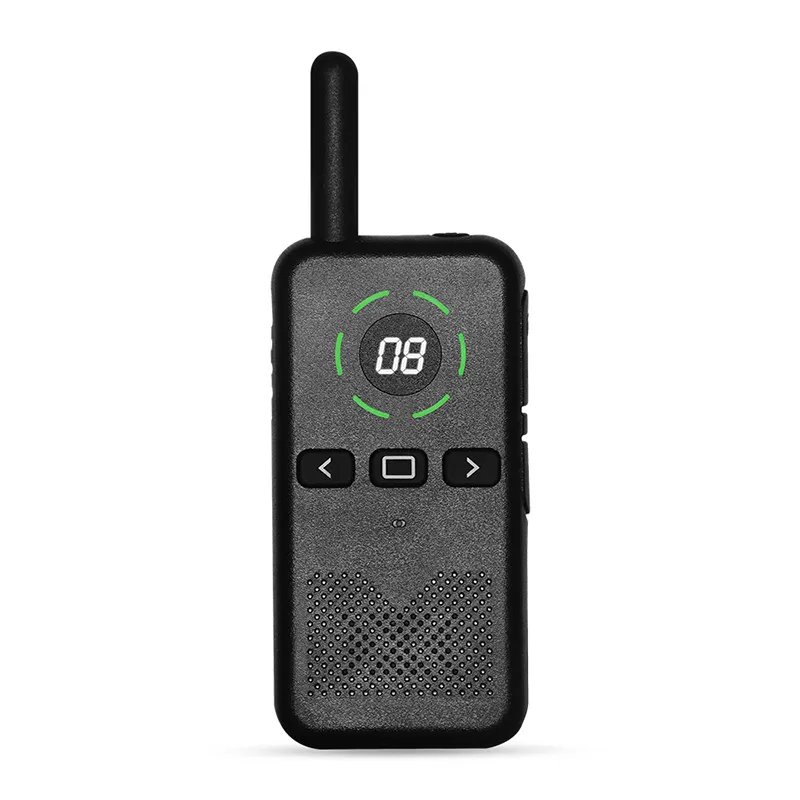
How Mini Radio Technology Supports Real-Time Team Communication
Understanding Push-to-Talk Functionality in Mini Radios
Small radio units make it much easier for teams to talk to each other right away thanks to push-to-talk tech. Just pressing one button gets people connected to their assigned channel, which saves time compared to fiddling with phone numbers or digging through apps on smartphones. This kind of quick connection really matters in places like construction sites or warehouses where things move fast. When workers can get answers immediately, they make better decisions that keep everyone safer and operations running smoother. According to some recent research published last year in Workplace Communications, groups that use these PTT devices fix problems at work around 40 percent quicker than folks who stick with regular cell phones. Plus most of these compact radios let people talk while keeping both hands free, so there's no need to stop what they're doing mid-task just to check in with someone else.
Use Cases in Retail, Warehousing, and Construction Environments
- Retail: Staff coordinate inventory restocking and customer service across dedicated channels, improving responsiveness.
- Warehousing: Forklift operators receive real-time instructions for loading and routing, minimizing shipping errors.
- Construction: Supervisors manage crane movements and material deliveries across large, dynamic sites with reliable voice clarity.
These sectors benefit from features like noise-canceling microphones and weather-resistant builds, which ensure performance in loud or outdoor conditions. According to a 2024 logistics survey, 78% of warehouse managers observed fewer miscommunication incidents after switching to two-way radio systems.
Why Portable Radios Are Gaining Popularity Over Traditional Phones
Mini radios really shine where smartphones fall short, especially in places with spotty cell service like those tough steel warehouses or out in the middle of nowhere at construction sites. These little devices let one person send messages to everyone on the team all at once, so nobody gets left behind when things change fast. The tougher models are built to last through all sorts of abuse - they can take falls, ignore dust buildup, and even handle getting wet without quitting on you like regular phones tend to do. And let's talk about batteries for a second. Most mini radios will last anywhere between 12 and 18 hours straight, which means workers don't have to waste time constantly hunting down chargers during their shifts. This makes them way more reliable for jobs that need constant communication throughout the day.
Key Advantages of Mini Radios for Efficient Team Coordination
Instant Communication in High-Noise or Remote Work Areas
When working places get louder than what OSHA considers safe for long periods (around 85 decibels), mini radios still manage to cut through all that noise thanks to their special mics and strong speakers. These little devices are actually better than phones in many ways because workers don't have to keep holding them near their ears all day, which makes things much safer when hands need to be free for other tasks. Utility workers cutting down trees or fixing power lines out in remote spots really depend on these two way radios too. Cell service tends to disappear completely in those kinds of locations, but radio signals can reach across distances where regular phone towers just won't work at all.
Improving Workflow Efficiency with Reliable Group Messaging
The PTT function reduces communication latency to just 0.5 seconds, far outpacing the 12–45 second delay typical of smartphone-based messaging (Mobile Workforce Solutions Study 2024). Retail stockroom teams report 27% faster inventory processing when using dedicated radios, while hospitality staff resolve guest requests 40% quicker via group channels compared to apps.
Case Study: Construction and Event Management Teams Boosting Productivity
A recent six month test at a logistics company based somewhere in the heartland revealed something interesting when they swapped out their smartphone group chats for little handheld radios instead. The results? Communication delays dropped by around 33% across all their 142 active projects during that period. Looking at big events too, security folks who had access to dedicated radio channels for specific areas responded to incidents nearly two thirds quicker compared to teams stuck using those old fashioned phone tree methods. And get this from the same research done last year: teams armed with radios finished their safety briefings almost half a minute sooner than colleagues messing around with phones and tablets together. Makes sense really since there's no waiting for messages to go through or apps to load properly.
Mini Radios vs. Cell Phones: Which Is Better for Team Coordination?
Limitations of Smartphones in Fast-Paced Team Environments
In fast-paced work environments, smartphones actually slow things down rather than speed them up. Retail staff and construction crews typically experience around a 2 second delay when replying to text messages according to research from the Ponemon Institute last year. That might not seem like much until someone needs immediate attention during an emergency situation. Signal problems are another big issue too. Metal filled warehouses and out-of-the-way job sites frequently lose cell reception, leaving workers without communication at exactly the wrong moments. And let's not forget about durability issues either. Nearly two thirds of all smartphones brought into tough industrial settings get damaged within just half a year from exposure to dirt, water, or accidental drops as reported by Occupational Safety Journal in their 2023 study. These broken devices mean extra money spent on replacements and plenty of downtime for businesses trying to stay productive.
Advantages of Two-Way Radio Systems for Instant Group Communication
Mini radios address these shortcomings effectively:
- Push-to-Talk (PTT) allows immediate, one-button communication across entire teams.
- 4G/LTE-independent operation ensures reliability in basements, rural zones, or power outages—areas where 38% of cellular networks fail (Telecom Insights Report, 2023).
- 16-hour battery life, often with swappable options, exceeds smartphone endurance by threefold under continuous use.
Event crews using two-way radios resolve venue issues 47% faster than phone-dependent teams, according to a 2024 logistics case study.
When Cell Phones Still Make Sense: Contextual Trade-offs
Smartphones still come in handy when someone needs good quality photos, accurate GPS stuff, or wants to connect with digital systems like inventory databases. Take a retail manager for instance who grabs their phone to change shelf tags around the store but keeps a small walkie talkie nearby so they can hear what's going on behind the scenes. The numbers tell another story though. According to Workplace Efficiency Review from last year, about 8 out of 10 warehouse managers say those pesky phone alerts from Facebook or Instagram are costing them roughly 12 percent of their productive time each day. That adds up pretty fast over weeks and months.
Hybrid Strategies: Integrating Mini Radios with Mobile Tools
Leading teams combine both technologies strategically:
- Mini radios handle urgent voice communication during equipment operations or emergencies.
- Smartphones manage data-intensive functions like IoT alerts or encrypted database updates.
A Midwestern logistics company using this hybrid model cut miscommunication errors by 29% and saved $18,000 annually in cellular costs (Supply Chain Quarterly, 2024).
Cost, Reliability, and Long-Term Value of Mini Radio Systems
Upfront Investment vs. Operational Savings in Logistics and Security
Mini radios might set companies back around $300 to $500 each at first glance, but most find they get their money's worth back in about a year and a half. The savings come from cutting down on cell phone bills which can easily hit $120 plus per employee annually, not to mention all those lost hours when workflows get stuck waiting for messages. Security crews and logistics managers report something pretty striking actually - their teams face roughly 40 percent less delay because of communication issues compared to folks who rely solely on smartphones. And when companies buy in bulk or take advantage of flexible licensing options, these little devices become even more budget friendly, particularly for businesses keeping track of fifty or more people out in the field.
Durability, Battery Life, and Low Maintenance Requirements
The majority of mini radios actually pass the MIL-STD-810G military specs when it comes to surviving shocks and drops, so they hold up pretty well even in rough situations. These little gadgets can run nonstop for around 12 to 20 hours straight, which is roughly twice what most smartphones last before needing a charge. Maintenance costs are super low too at just about $25 per year, while replacing broken smartphones typically runs upwards of $700 according to recent field reports from 2023. Plus, their IP67 waterproof rating means they can handle rain or splashes without issues, and since they use solid state parts instead of fragile moving components, there's far fewer things that can go wrong. Field technicians report seeing dramatically fewer repairs needed compared to regular communication equipment.
Case Study: How One Logistics Company Reduced Communication Costs
A regional logistics provider replaced carrier-dependent smartphones with mini radios across its 150-vehicle fleet. Over two years, the switch delivered:
- 30% reduction in monthly communication costs ($8,400 – $5,880)
- 47% faster dispatch-to-driver response times
- Zero cellular dead zones across 200,000+ sq ft facilities
The company redirected $61,000 in annual savings toward infrastructure improvements, illustrating how dedicated radio systems generate long-term value beyond immediate cost reductions.
Ease of Use and Minimizing Distractions with Dedicated Mini Radios
Simple Operation Increases Adoption Across Teams
The mini radios come with really simple designs and just a few buttons, which explains why about 72% of non-tech workers start using them within days, versus only around 34% who stick with smartphones according to the Workplace Tech Adoption Report from last year. These little devices already have their channels set up and work right out of the box without needing any apps downloaded or accounts created first. That makes all the difference for places with lots of part time help or people coming and going regularly, especially in stores during busy seasons or at event venues where staff changes happen frequently throughout the day.
Reducing Interruptions Compared to Smartphone Notifications
Smartphones expose workers to an average of 47 daily non-work notifications (Digital Distraction Study 2024), disrupting focus. Mini radios serve a single purpose—voice communication—reducing cognitive load. Teams in construction and live events report a 30% decrease in workflow interruptions after switching, ensuring mission-critical messages take priority.
Training Tips for Effective Mini Radio Use in the Workplace
- Standardize protocols: Assign color-coded buttons for key channels (red = emergencies, green = logistics)
- Role-play scenarios: Simulate noisy or emergency conditions during training
- Monthly maintenance checks: Inspect microphones, test batteries, and verify channel settings
By eliminating "notification fatigue" affecting 68% of phone-reliant teams, dedicated mini radios ensure clarity, urgency, and consistency in workplace communication.
Frequently Asked Questions (FAQ)
-
What are push-to-talk mini radios?
Push-to-talk mini radios are compact communication devices that allow immediate connection to a designated channel with the press of a single button, offering real-time communication without the need for dialing phone numbers. -
Are mini radios more durable than smartphones?
Yes, mini radios often meet military specifications for durability and can withstand shocks, drops, and harsh conditions better than smartphones. -
How do mini radios benefit team communication?
Mini radios offer quick, reliable communication without relying on cellular service, making them ideal for environments with poor reception or for urgent group messaging. -
What are the cost advantages of using mini radios?
Though they require an upfront investment, mini radios can reduce monthly communication costs and minimize downtime, offering long-term savings and increased productivity.
Table of Contents
- How Mini Radio Technology Supports Real-Time Team Communication
- Key Advantages of Mini Radios for Efficient Team Coordination
- Mini Radios vs. Cell Phones: Which Is Better for Team Coordination?
- Cost, Reliability, and Long-Term Value of Mini Radio Systems
- Ease of Use and Minimizing Distractions with Dedicated Mini Radios

