
 EN
EN



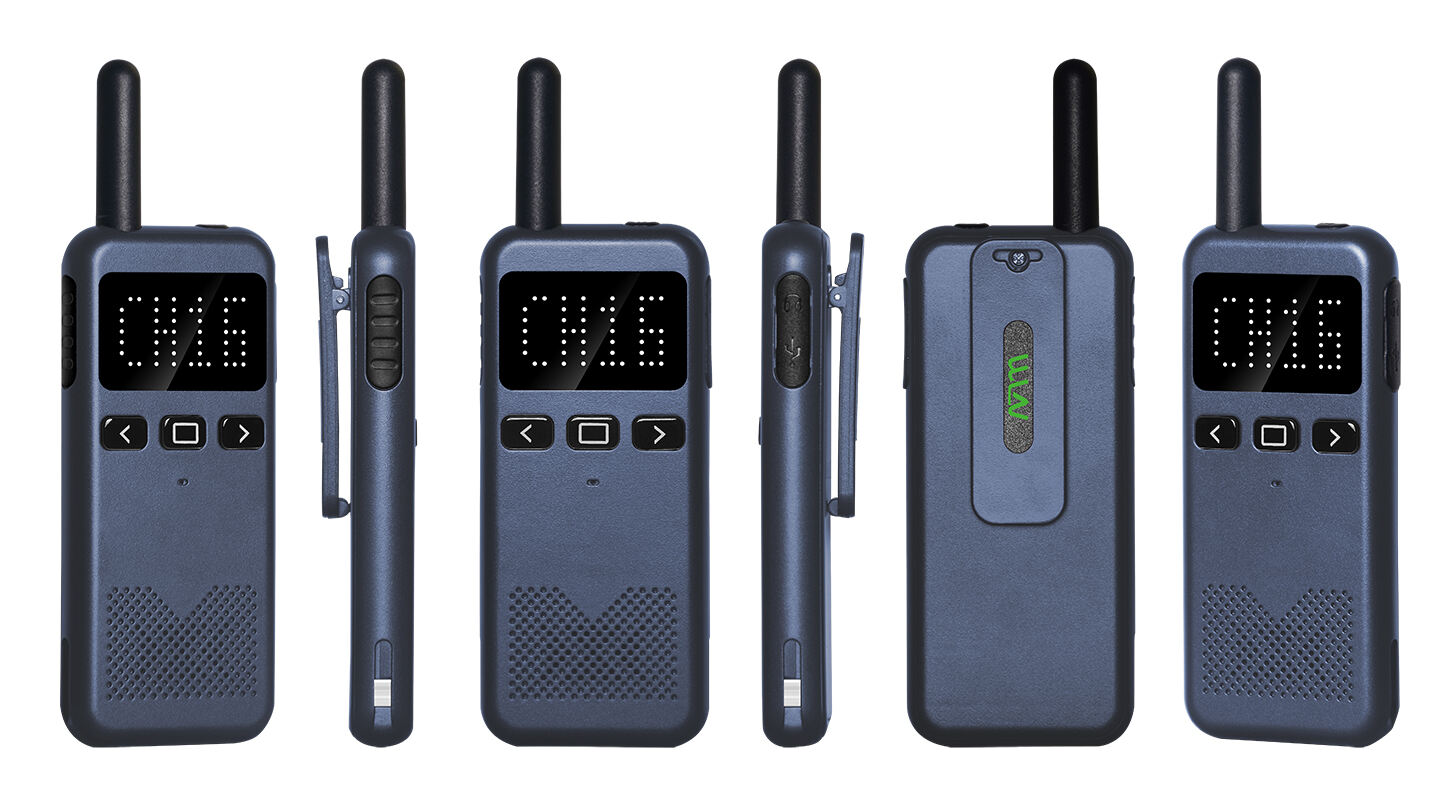
Why Portable Radios Are Essential in Areas Without Cellular Coverage
Understanding the communication challenges in rural, rugged, and off-grid environments
Cell phone coverage tends to disappear in places where there are mountains, thick woods, or vast desert stretches. The complicated landscape makes it hard to install proper infrastructure, especially when people don't live close together either. Rocky outcrops and deep valleys get in the way of signals, and bad weather conditions just make things worse for anyone trying to stay connected. According to recent data from the Wilderness Safety Institute (2023), around three quarters of rescue personnel working in these areas face serious problems communicating while on duty because they're too far away from any cell tower. This means that search and rescue teams, firefighters fighting wildfires, and even construction workers operating in isolated locations find themselves at risk when something goes wrong and help needs to be summoned quickly.
How portable radios function independently of cell towers and internet infrastructure
Portable radios work differently from smartphones since they use VHF (between 30 and 300 MHz) as well as UHF (from 300 MHz to 3 GHz) bands for communication. These devices can talk directly to each other without needing cell towers at all. The way signals move matters too they either bounce through the atmosphere or follow along the ground. A standard 5 watt handheld radio usually covers about 8 kilometers when there's nothing blocking the path. Throw in some repeater stations though and that range jumps way past 50 km easily. What makes these radios so reliable is their independence. They keep working even when electricity goes out, during storms, or anywhere where regular phone service just doesn't exist.
The role of reliable communication in safety, coordination, and operational continuity
Quick voice communication can stop dangerous delays when things go wrong or situations get risky. At those remote mining locations, construction crews have seen accident rates drop by around 63% since switching from cell phone reliance to good old fashioned radio systems. Rescue teams stay connected even as landscapes change constantly, keeping everyone on the same page so nobody gets lost out there. Having reliable connections makes all the difference for sending help fast during disasters like wildfires or flash floods, especially since regular cell service tends to crash completely within about an hour after these crises start getting serious.
Technical Foundations of Two-Way Radio Communication in Remote Settings
VHF vs. UHF Bands: Choosing the Right Frequency for Terrain and Range
Most portable radios work on two main frequency bands: VHF which ranges from 30 to 300 MHz, and UHF covering frequencies between 300 MHz and 3 GHz. When out in wide open spaces such as deserts or over water, VHF generally does a better job. Signals can actually reach about 25% further than UHF in these kinds of environments. On the flip side, UHF has shorter wavelengths that cut right through thick foliage and rough terrain. That makes it much more reliable when hiking through forests or climbing mountains where trees block signals. According to research published back in 2019, search and rescue crews working in wooded areas reported around 40% fewer dropped connections when they switched from VHF to UHF equipment during operations.
Key Factors Affecting Radio Range
Three primary factors influence performance:
- Power output: 5W radios cover 30–50% more area than 1W models in flat terrain
- Antenna efficiency: Quarter-wave antennas improve signal clarity by 15–20dB over standard rubber-duck designs
- Environmental obstacles: Granite rock reduces signal strength by 18dB/km; heavy foliage attenuates UHF signals 12dB more than VHF
Overcoming Signal Limitations
When operators want better coverage, they often look for higher ground. For every 3 meters gained in elevation, the line-of-sight range increases by around 7 kilometers. This is why mountain tops make great locations for transmission equipment. To get signals through challenging terrain like deep valleys or thick forests, repeater systems come into play. These devices can boost signals over distances of up to 30 kilometers. Some impressive feats have been recorded in extreme environments too. Researchers working in the Arctic have managed communications over 95 kilometers using special 162 MHz marine band radios. They mounted these on ice platforms along with dedicated repeaters. Amazingly, this works even when temperatures plummet to minus 40 degrees Celsius. The combination of right equipment and strategic placement makes all the difference in such harsh conditions.
Enhancing Long-Range Performance
Modern digital portable radios incorporate GPS-assisted channel hopping to avoid interference, improving functional range by 22% in multi-team operations. Solar-powered base stations deployed in Australia’s Outback sustain 78 hours of continuous operation, maintaining vital links between geological survey teams separated by 80km of signal-hostile desert.
Real-World Applications of Portable Radios Across Industries
Outdoor Adventures and Wilderness Expeditions: Staying Connected in Remote Natural Environments
For anyone hiking, climbing mountains, or leading expeditions where cell service disappears completely, portable radios just make sense. A recent 2023 report from wilderness safety experts shows that around 8 out of 10 search and rescue crews depend heavily on these little gadgets when working in remote national park areas and rugged mountain terrain. The radios let people stay connected even when phones drop signals entirely. Groups can plan their paths together, warn each other about dangerous spots ahead, and call for assistance right away if something goes wrong. No more waiting for unreliable phone connections that vanish at the worst possible moment.
Construction and Infrastructure Projects in Isolated Regions
In remote construction sites such as wind farms or highway expansions, portable radios bridge communication gaps across uneven terrain. Project managers use them to relay safety alerts, track equipment, and synchronize tasks in real time—critical when decision delays can cost up to $12,000/hour (Construction Productivity Journal, 2023).
Event Management, Emergency Services, and Field Operations
During large-scale events or disaster responses, portable radios provide instantaneous team coordination even when cellular networks become overloaded. Firefighters use them to manage evacuation routes at wildfire sites, while event staff leverage encrypted channels for secure crowd control and logistics management.
Durability and Portability: Design Features That Support Extreme Conditions
Top-tier portable radios meet MIL-STD-810G military standards, surviving submersion in 1m of water, crushing forces up to 2,000lbs, and temperatures from -22°F to 140°F. Compact models weighing under 1lb offer 18–72 hours of battery life, ensuring reliability during extended missions in harsh environments.
Key Advantages of Portable Radios Over Smartphones in Off-Grid Communication
Instant, Group-Wide Communication Without Reliance on Network Infrastructure
Portable radios let people talk to groups instantly without needing cell service or internet access. When compared to smartphones that require one-on-one calls or rely on data-heavy apps, these radios just work right away for folks working out in the field, search and rescue teams, or outdoor guides leading expeditions. The fact that they don't depend on network connections becomes really important when we look at places across America where about a third of all land doesn't have any cell coverage according to FCC reports from last year. That's why so many mining operations, forest rangers, and first responders still carry them into situations where getting lost without communication could mean serious trouble.
Superior Battery Life During Extended Missions or Operations
According to a recent field communications report from 2023, portable radios can run for around 18 to 24 hours straight on a single charge. That's way better than smartphones, which typically last only about 8 to 12 hours with similar usage patterns. The extra battery life makes all the difference during extended operations like multi-day search and rescue missions or working in remote areas where there's no access to electricity. Another big advantage? Radios let workers swap batteries quickly without needing to find a power outlet. This feature is especially valuable when teams are deployed more than 50 miles away from any electrical infrastructure, something that happens quite often in certain industries.
Rugged, Water-Resistant, and Shockproof Designs Built for Harsh Environments
Engineered to MIL-STD-810G standards, portable radios endure conditions that disable smartphones:
- Water Resistance: IP67-rated models survive 30 minutes submerged in 3 feet of water
- Temperature Tolerance: Operational from -22°F to 140°F
- Impact Protection: Rubberized casings absorb 6-foot drops onto concrete
These features contribute to a 92% lower equipment failure rate compared to consumer smartphones in extreme environments (Industrial Safety Report 2024).
Portable Radios in Emergency Response and Search and Rescue Operations
Critical Role in Coordinating Rescue Efforts Where Cell Service Fails
Cellular networks often go down when we need them most during disasters or emergencies in remote areas, which is why portable radios become so important for saving lives. These radios work on their own special frequencies that don't depend on cell towers staying online, allowing rescue workers to communicate about evacuations, patient conditions, and potential dangers even when teams are spread out over large areas. According to a study from the Ponemon Institute looking at 127 search and rescue missions last year, groups equipped with portable radios found missing people almost 60% quicker compared to teams stuck waiting for cell service to return.
Case Study: Mountain Rescue Mission Using Portable Radios in Zero-Signal Zones
Back in 2023 when a group of climbers got stuck around 14,000 feet up in the mountains, they managed to stay in touch thanks to those old school portable radios even though massive granite walls were messing with their satellite signals. The rescue team came up with something pretty clever actually - setting up three separate radio posts at various heights along the mountain path created this amazing 22 mile communication link between base camp and the stranded climbers. This whole relay system worked wonders for keeping everyone updated on who was hurt badly and what kind of crazy weather was coming next, which really helped get all eight people off the mountain safely within just over a day. Looking back at how things went down after the fact, it turns out those simple analog radios performed better than any fancy digital alternatives they had tried out beforehand because there were no annoying delays or complicated security problems to deal with during critical moments.
Integration With Emergency Protocols and Multi-Agency Communication Systems
Modern portable radios integrate with interoperable technologies that link analog field units to digital command centers. Encryption-capable models allow fire departments, paramedics, and national guard units to share secure channels during joint responses. A standardized emergency protocol adopted in 2024 ensures all radios can access:
- Priority override channels for urgent declarations
- GPS location tagging accurate within 30 feet
- Cross-band repeat functions for seamless inter-agency communication
Analog vs. Digital Debate: Why Many Agencies Still Trust Proven Analog Reliability
Even with all the fancy new tech out there, most wilderness rescue crews still rely on old school analog systems. The numbers back this up too - around two thirds according to that International SAR Council report from last year. Why? Well, those analog signals actually work better through trees and buildings, giving them about 1,200 feet extra reach compared to digital stuff when climbing mountains. And here's something really important for long missions: these radios can run off hand cranks. Think about what happened during those floods on the Appalachian Trail in 2022. No electricity meant nothing worked except those manual powered radios, which kept the rescue operation going when everything else failed.
Frequently Asked Questions (FAQ)
Why are portable radios important in areas without cellular coverage?
Portable radios provide reliable communication in areas where cellular coverage is limited or nonexistent. They operate independently of cell towers using VHF and UHF frequencies, making them essential for emergency response, construction, and outdoor adventures.
What is the difference between VHF and UHF frequencies?
VHF (30-300 MHz) is more suitable for open spaces and can cover greater distances, while UHF (300 MHz-3 GHz) is better for dense environments like forests and urban areas due to its ability to penetrate obstacles.
How do portable radios overcome signal limitations?
Portable radios use repeater systems and strategic placement on higher grounds to extend communication range. These methods are particularly effective in overcoming obstacles such as mountains and heavy foliage.
Can portable radios be used for long-term operations?
Yes, portable radios offer superior battery life compared to smartphones and can operate for 18-24 hours on a single charge. Additionally, they allow quick battery swaps, making them ideal for extended operations.
Are portable radios durable?
Portable radios are designed to withstand harsh conditions. They are often built to military standards (MIL-STD-810G), making them water-resistant, shockproof, and able to operate in extreme temperatures.
Table of Contents
- Why Portable Radios Are Essential in Areas Without Cellular Coverage
- Technical Foundations of Two-Way Radio Communication in Remote Settings
- Real-World Applications of Portable Radios Across Industries
- Key Advantages of Portable Radios Over Smartphones in Off-Grid Communication
-
Portable Radios in Emergency Response and Search and Rescue Operations
- Critical Role in Coordinating Rescue Efforts Where Cell Service Fails
- Case Study: Mountain Rescue Mission Using Portable Radios in Zero-Signal Zones
- Integration With Emergency Protocols and Multi-Agency Communication Systems
- Analog vs. Digital Debate: Why Many Agencies Still Trust Proven Analog Reliability
- Frequently Asked Questions (FAQ)

