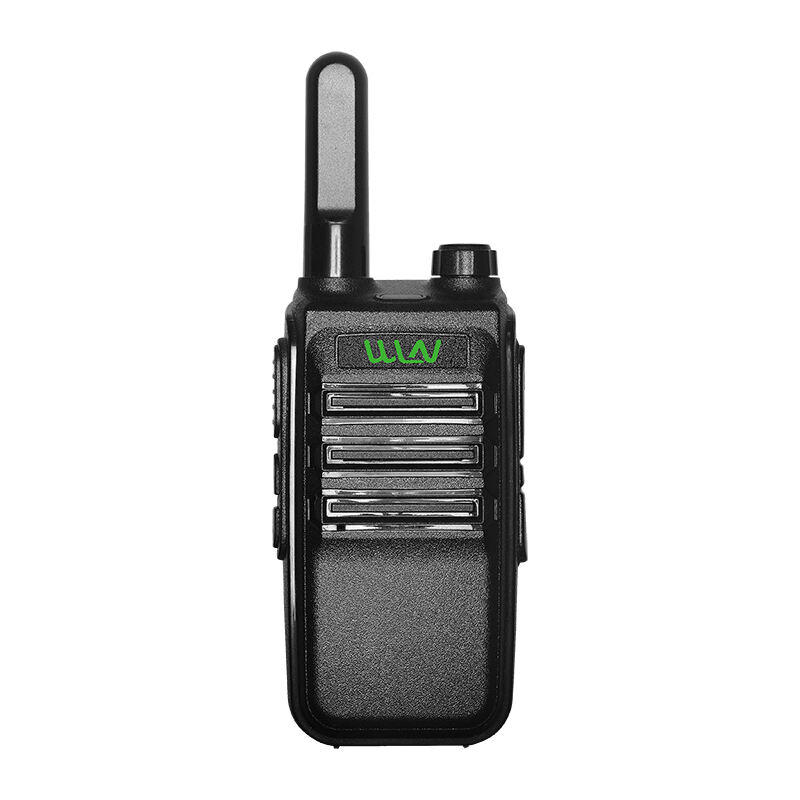
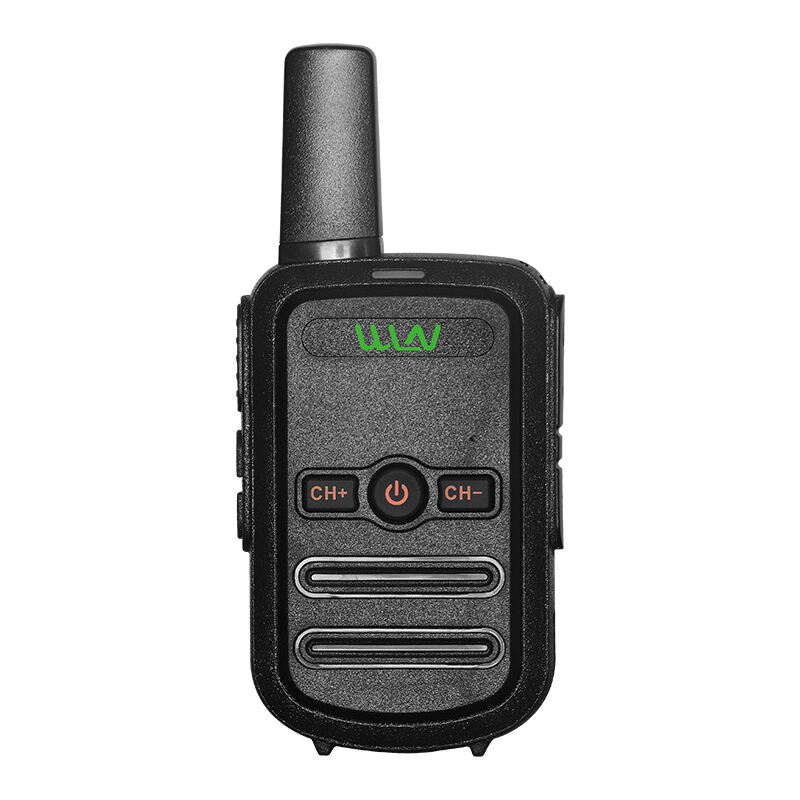
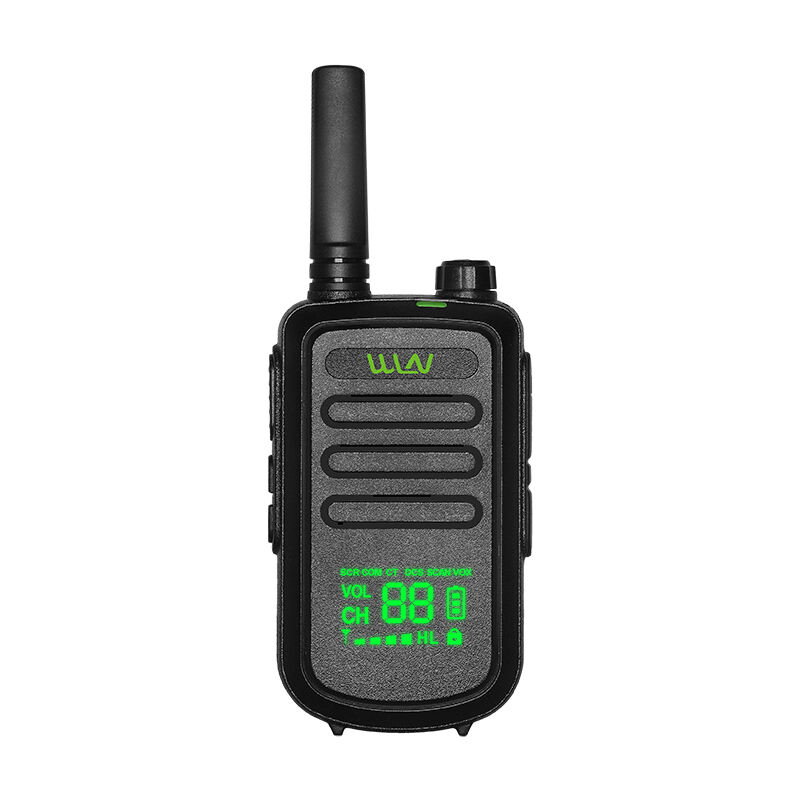
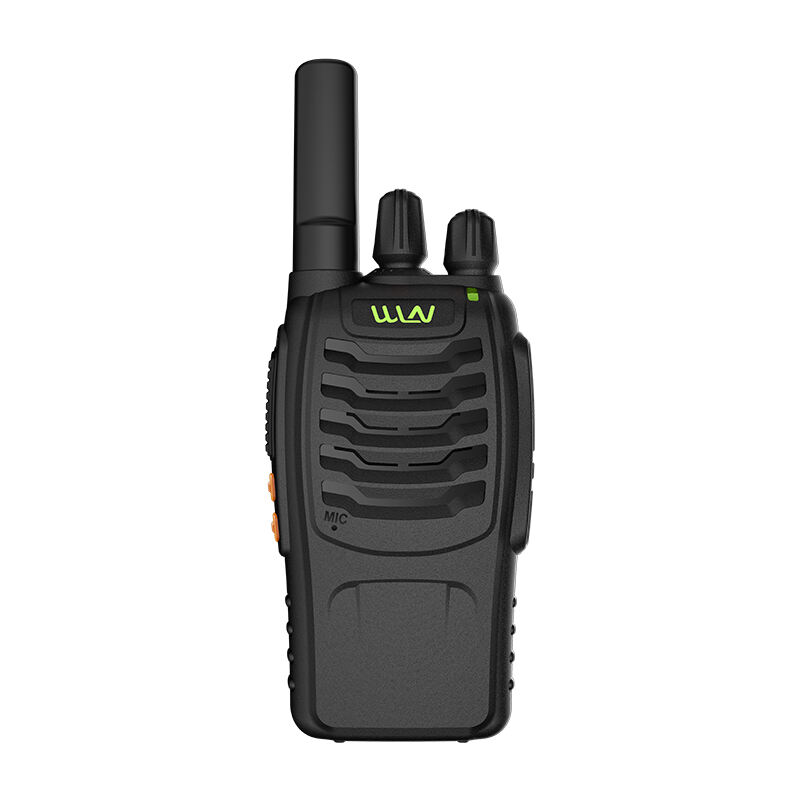
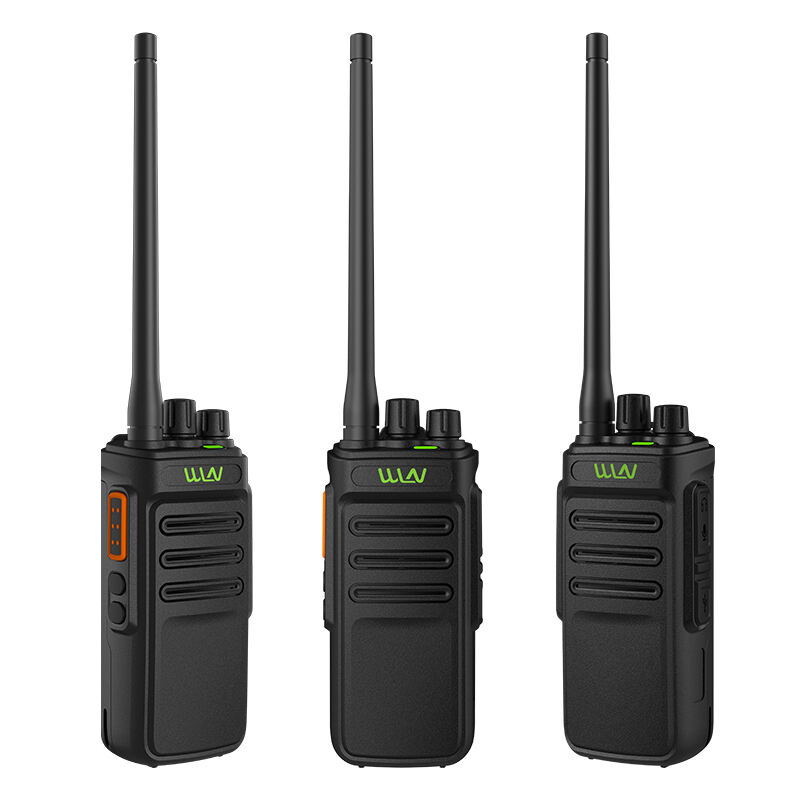
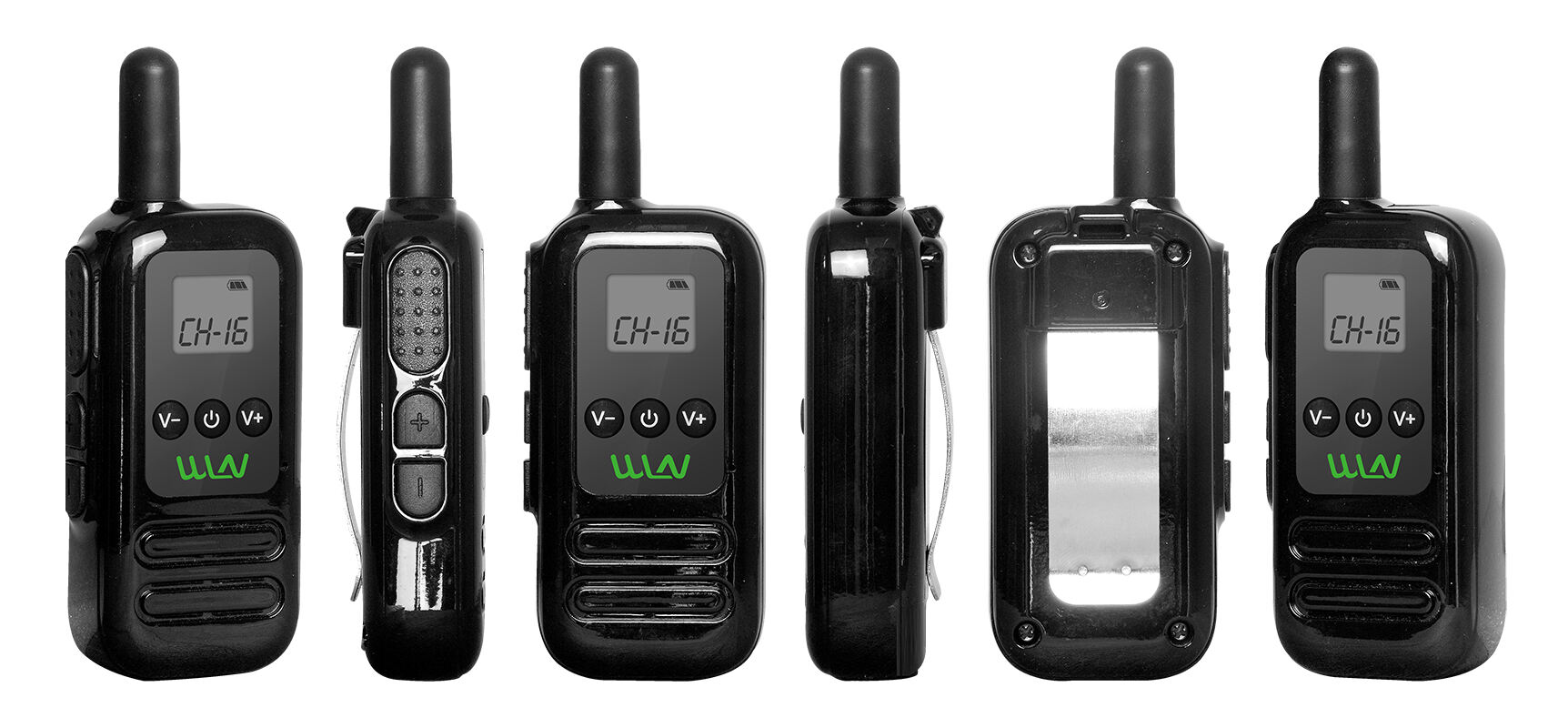
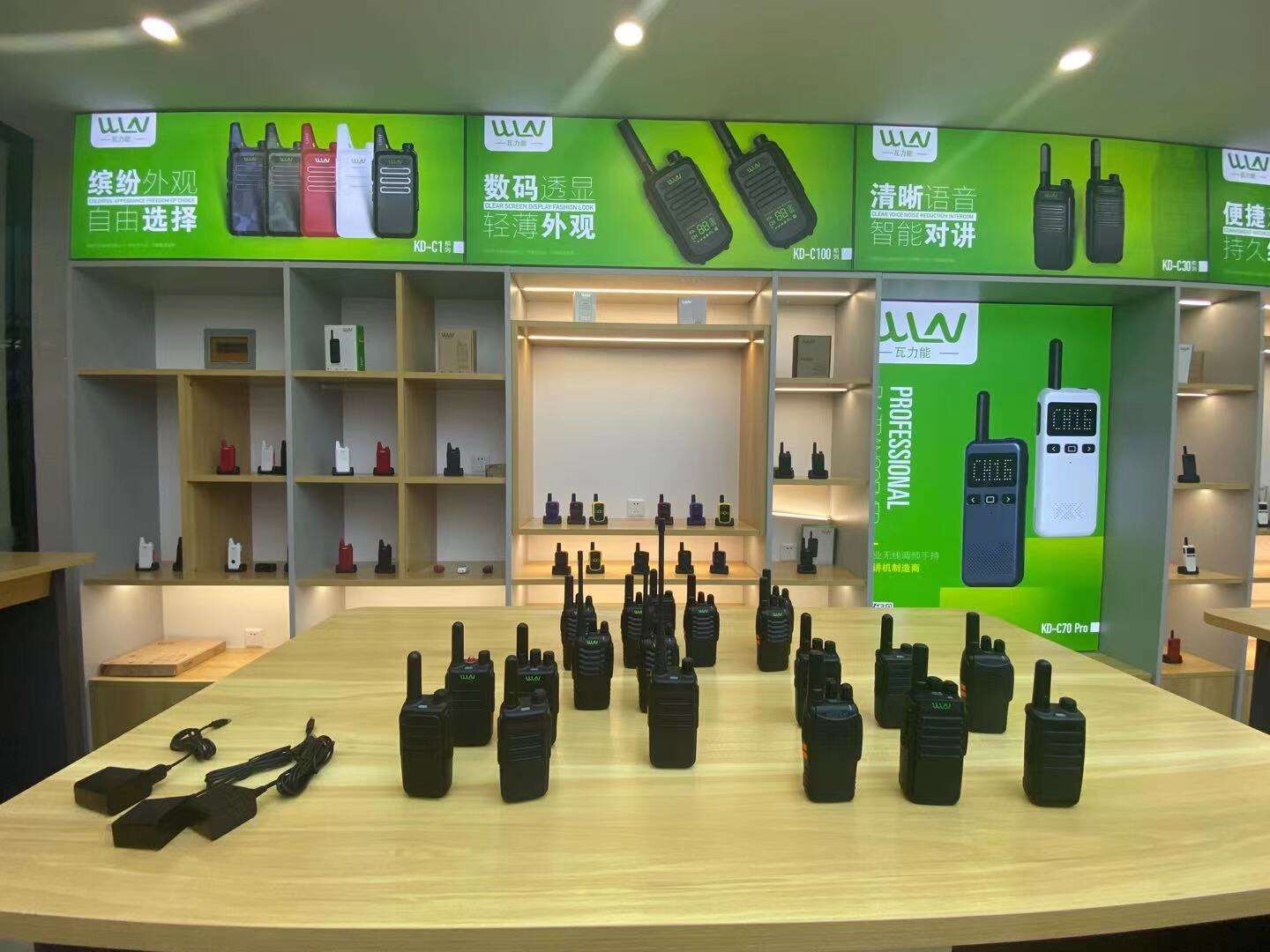
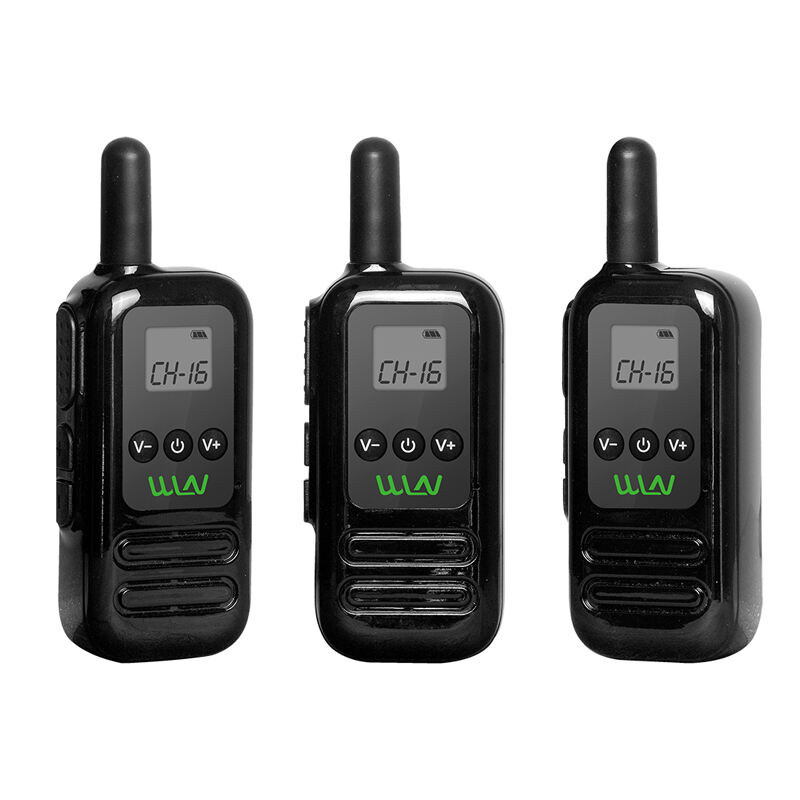
Mini radio noise reduction is a specialized communication device designed to filter out background noise and enhance audio clarity, making it ideal for use in noisy environments—such as industrial settings (factories, warehouses), busy public areas (event venues, theme parks), outdoor activities (hiking, camping, fishing), or professional contexts (construction sites, traffic control). Quanzhou Kaili Electronics Co., Ltd. integrates advanced noise reduction technology into its mini radio noise reduction models, leveraging its R&D capabilities to ensure that users can communicate clearly even when surrounded by loud sounds. The core technology behind mini radio noise reduction is its ability to distinguish between speech and background noise: the radio uses one of two primary noise reduction systems (depending on the model)—basic analog noise reduction (for standard models) or advanced digital signal processing (DSP) noise reduction (for premium models). Analog noise reduction works by filtering out high-frequency or low-frequency noise (such as wind, machinery hum, or crowd chatter) that falls outside the range of human speech (300Hz-3kHz), while DSP noise reduction uses complex algorithms to analyze incoming audio in real time, identifying and suppressing noise patterns while preserving speech. Quanzhou Kaili Electronics calibrates the noise reduction systems in its laboratory using imported noise measurement tools, testing them against common noise sources (e.g., 85dB factory noise, 70dB wind noise, 75dB crowd noise) to ensure that they can reduce noise by 60-80%—enough to make speech clear and understandable. The mini radio noise reduction also features a high-sensitivity, directional microphone that captures speech more effectively while minimizing the pickup of surrounding noise: the microphone is designed to focus on sound coming from the user’s mouth (within a 15cm range) and reject sound from other directions, which is particularly useful in environments where noise is coming from multiple sources (e.g., a busy event venue with music, chatter, and announcements). The radio’s speaker is optimized to reproduce clear speech, with a frequency response tailored to human speech (300Hz-3kHz) and sufficient volume (up to 90dB) to cut through remaining background noise—ensuring that users can hear incoming messages even in loud settings. To enhance usability, the mini radio noise reduction includes adjustable noise reduction levels in some models: users can select low, medium, or high noise reduction based on the environment—for example, low levels for slightly noisy parks, high levels for loud construction sites. The radio also features a "speech boost" function that automatically increases the volume of incoming speech when background noise rises, ensuring consistent audio levels without requiring manual adjustment. Quanzhou Kaili Electronics designs the control interface for noise reduction to be simple: the noise reduction settings are accessible via a dedicated button or a menu option (on models with LCD displays), with clear labels (e.g., "NR Low," "NR High") to guide users. The company also includes a noise indicator in some models, which shows the level of background noise on the display—helping users select the appropriate noise reduction level. Despite its advanced noise reduction features, the mini radio noise reduction maintains portability and battery life: it has a compact size (5cm×3cm×2.2cm) and lightweight build (43 grams), making it easy to carry, and its power-efficient noise reduction technology consumes minimal additional battery—providing up to 12 hours of continuous talk time and 70 hours of standby time on a single charge. The radio’s casing is durable, tested to resist dust and minor impacts, ensuring it can handle use in harsh, noisy environments like construction sites or factories. Quality control for mini radio noise reduction focuses on the effectiveness of the noise reduction system: each unit undergoes testing in simulated noisy environments to verify that speech clarity is maintained, and the microphone and speaker are checked for optimal performance. The company’s R&D team also updates the noise reduction algorithms regularly to address new noise scenarios and improve performance. Whether used by a construction worker communicating on a noisy site, an event coordinator managing a busy venue, a fisherman dealing with wind and water noise, or a hiker navigating a windy mountain trail, the mini radio noise reduction from Quanzhou Kaili Electronics ensures that every conversation is clear—overcoming the barrier of background noise to deliver reliable communication in challenging environments worldwide.