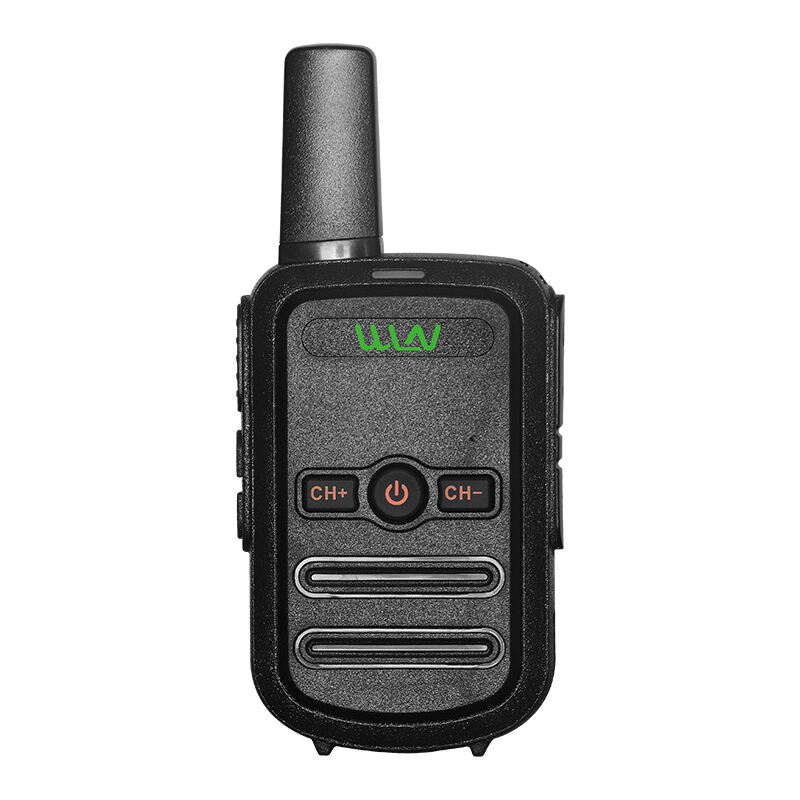
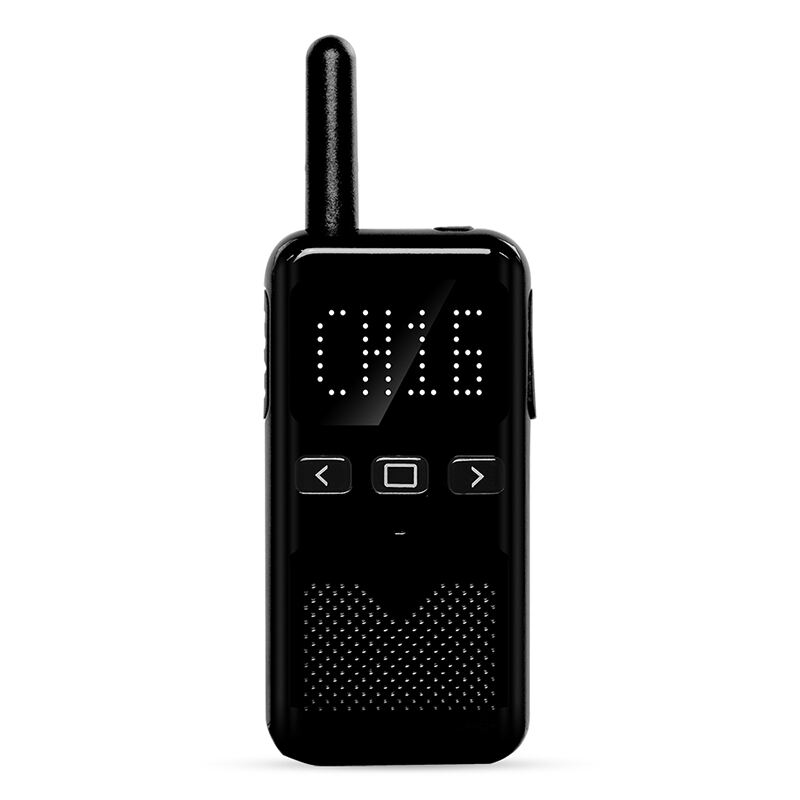
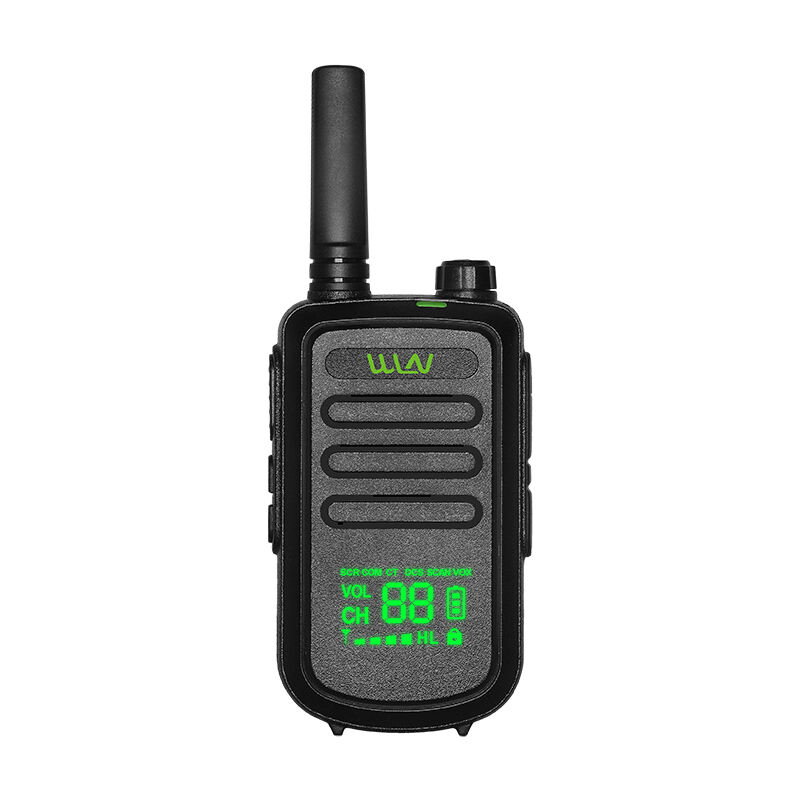
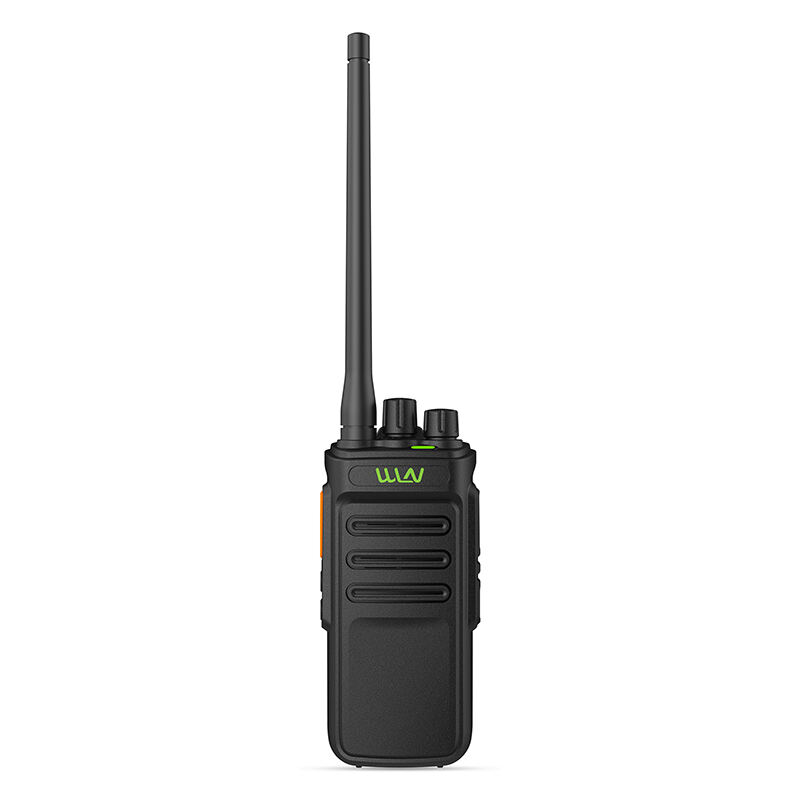
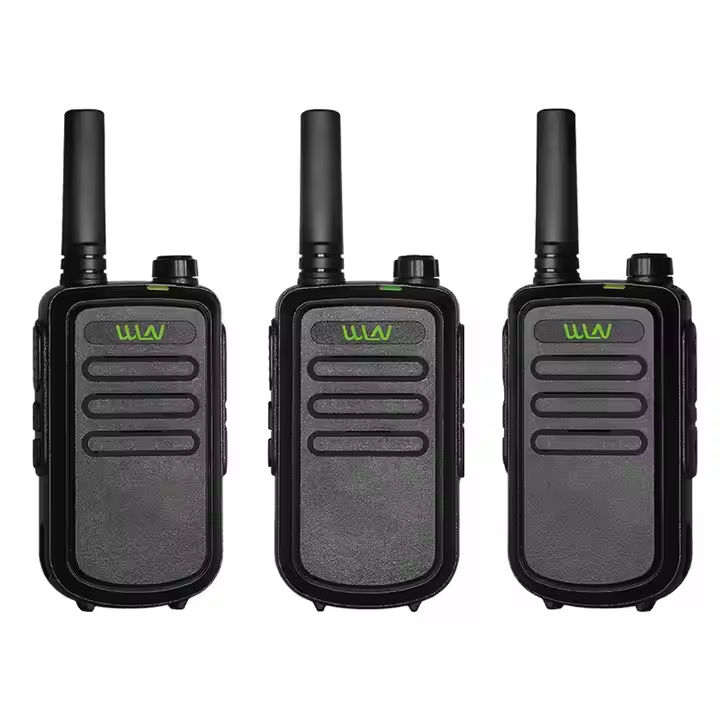
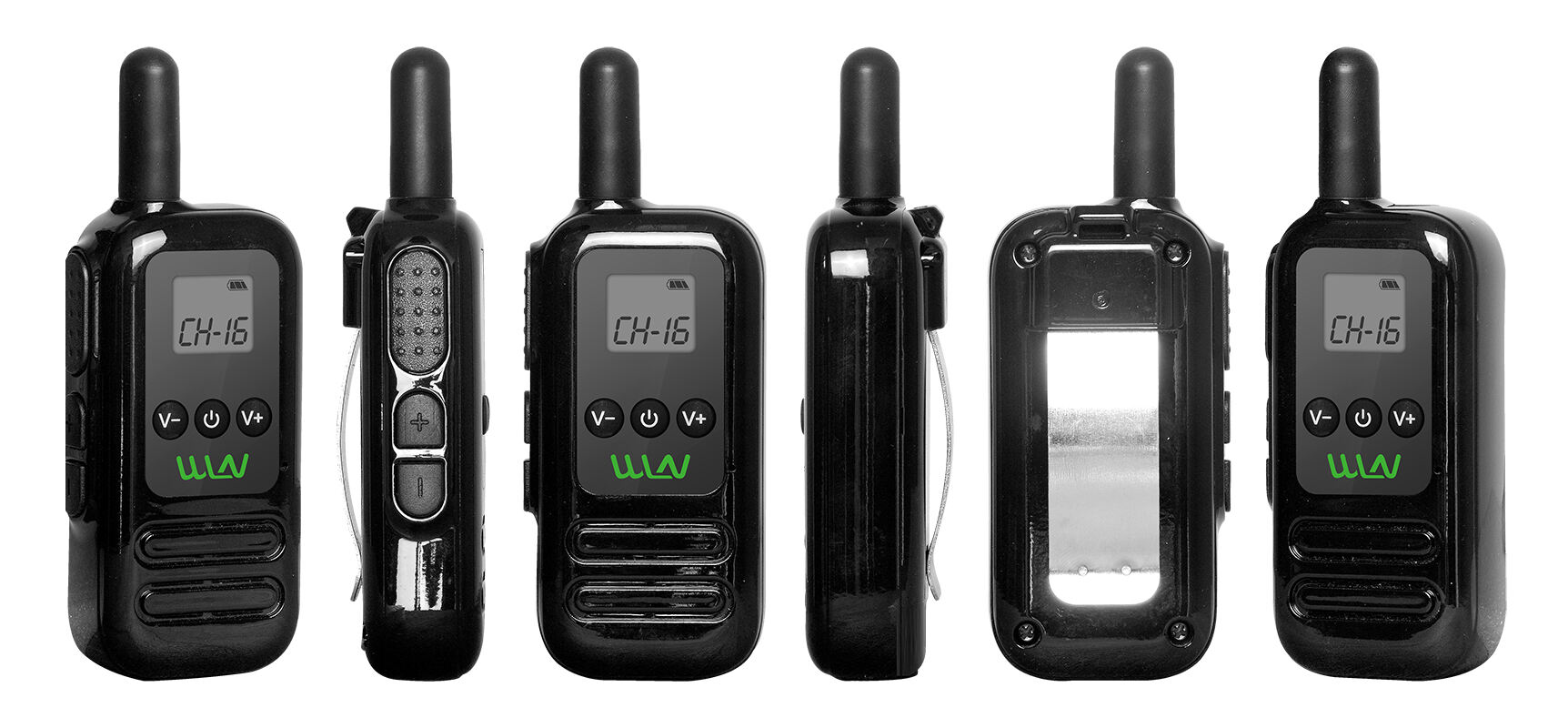
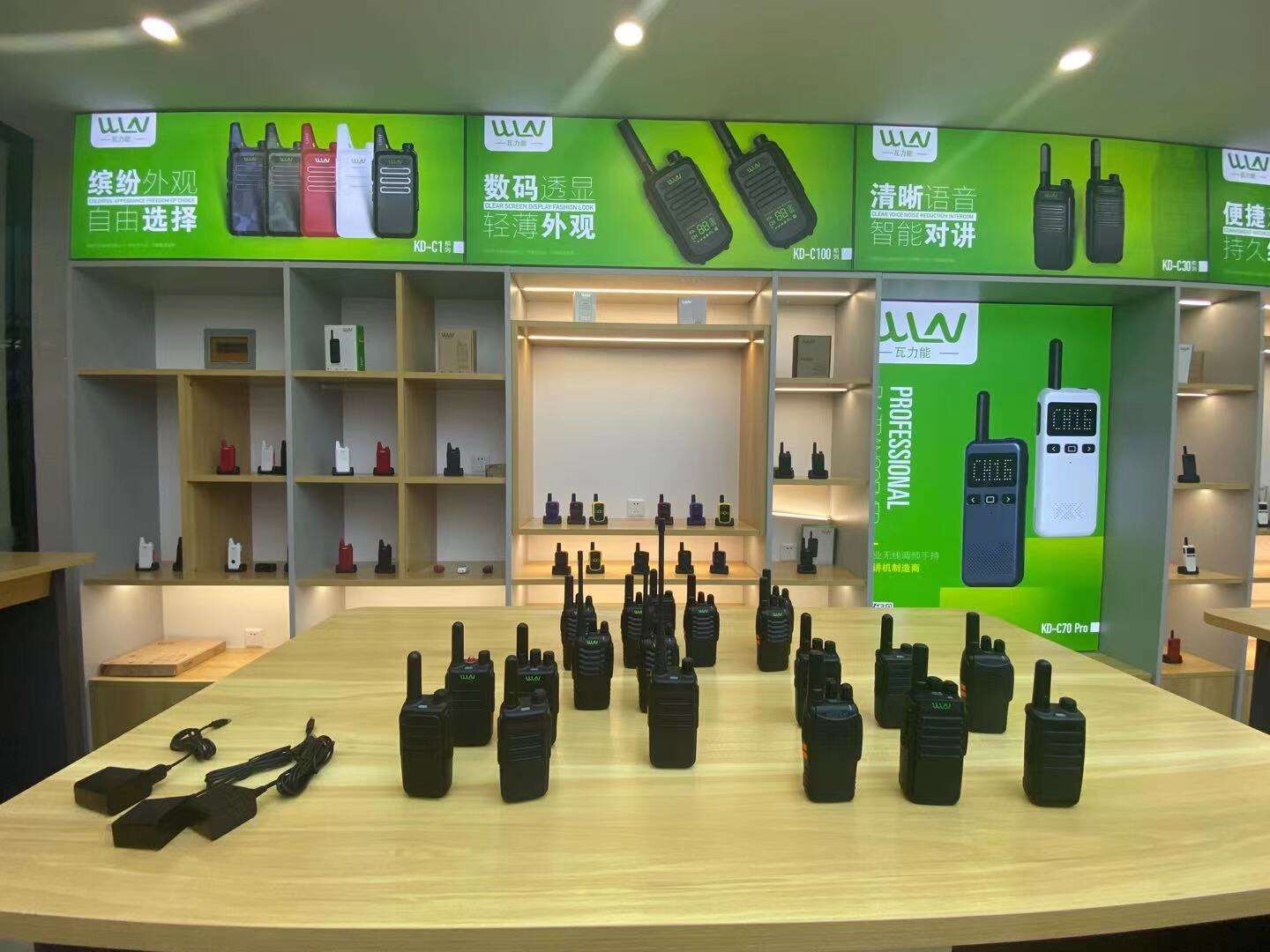
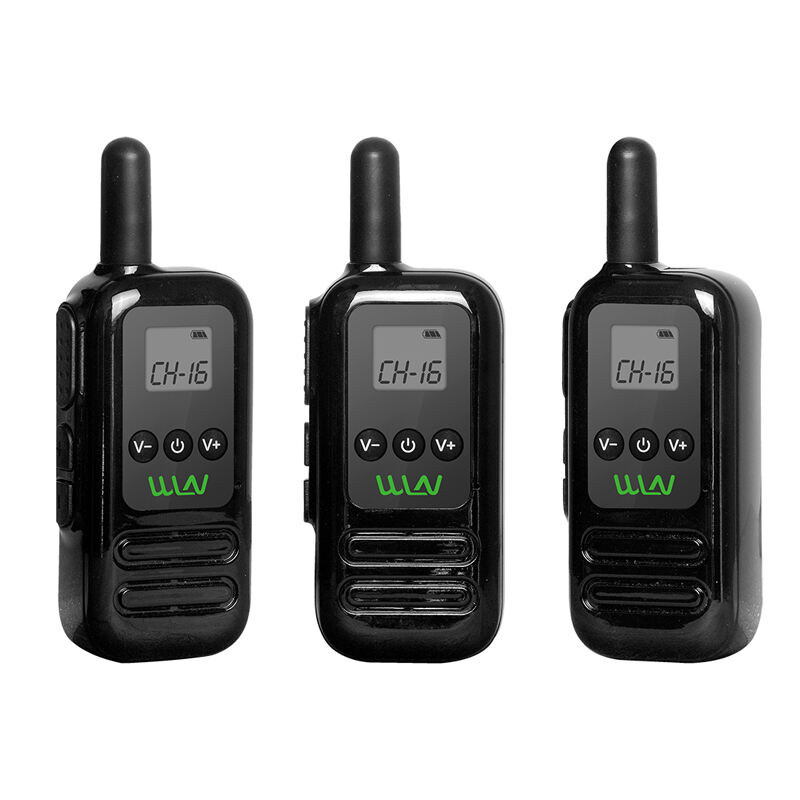
Cheap mini radio is an entry-level communication device designed to provide basic, functional communication at the lowest possible price point, targeting customers with extremely tight budgets—such as budget-conscious families for occasional use, small community groups (e.g., local sports clubs, volunteer teams) with limited funding, or individuals seeking a backup communication tool for emergency situations. Quanzhou Kaili Electronics Co., Ltd. develops its cheap mini radio by focusing on core communication functions, optimizing material selection for cost efficiency, and streamlining production processes—all while ensuring that the product meets basic safety and performance standards to avoid compromising user experience. The cheap mini radio prioritizes essential features to keep costs low: it has a compact size (5.5cm×3.3cm×2.2cm) and lightweight build (45 grams) for portability, a straightforward operation system with two main buttons (power/talk and channel switch) and a basic LED indicator (red for power on, green for channel selection) to minimize complexity. It supports 4 fixed channels (pre-programmed for common use frequencies) to reduce manufacturing costs associated with adjustable channel modules, making it suitable for simple communication needs where users do not require frequent channel changes. Signal performance is calibrated for short-range use: the radio uses a basic UHF signal module that provides communication within a 0.5-2 kilometer range in open areas—sufficient for scenarios like backyard gatherings, local sports events, or short-distance volunteer coordination—and is tested with basic signal testing equipment to ensure that it can transmit and receive clear messages over short distances. The audio system uses a standard speaker and microphone without advanced noise reduction, but it is tuned to deliver understandable sound in quiet to moderately noisy environments (e.g., parks, small parking lots), avoiding the distortion common in low-quality, ultra-cheap radios. Battery design focuses on cost and basic usability: the cheap mini radio is powered by either a rechargeable nickel-metal hydride (NiMH) battery (providing up to 8 hours of continuous talk time and 50 hours of standby time) or replaceable AA batteries (for customers who prefer not to use rechargeable options), offering flexibility and reducing the cost of the battery component. The casing is made of economy-grade ABS plastic that provides basic protection against scratches and minor impacts (tested to withstand drops from 0.8 meters onto soft surfaces), ensuring that the radio can handle occasional use without immediate damage. Quanzhou Kaili Electronics streamlines its production process for the cheap mini radio by using automated assembly lines in its 12,000-square-meter factory, reducing labor costs, and sourcing economy-grade but safe components from trusted suppliers (ensuring that materials do not contain harmful substances like lead or mercury). Quality control for this model focuses on safety and basic functionality: each unit undergoes 5 essential tests, including power check, signal transmission verification, battery compatibility testing, and visual inspection for defects—ensuring that it works as intended and poses no safety risks. The company’s ability to produce the cheap mini radio at a low cost is also supported by its large production volume, which allows it to negotiate lower prices with component suppliers and spread fixed costs (like factory overhead) across more units. Despite its low price, the cheap mini radio still aligns with Quanzhou Kaili Electronics’ "customer first" philosophy: it comes with a simple user manual (available in multiple languages) that clearly explains operation steps, and the company provides basic after-sales support (covering manufacturing defects for 6 months) to address any issues with non-functional units. For customers who need a basic communication tool without any extra features, the cheap mini radio from Quanzhou Kaili Electronics offers an accessible option that delivers on the core purpose of short-range, simple communication—meeting the needs of budget-constrained users across different cultural and geographical backgrounds.