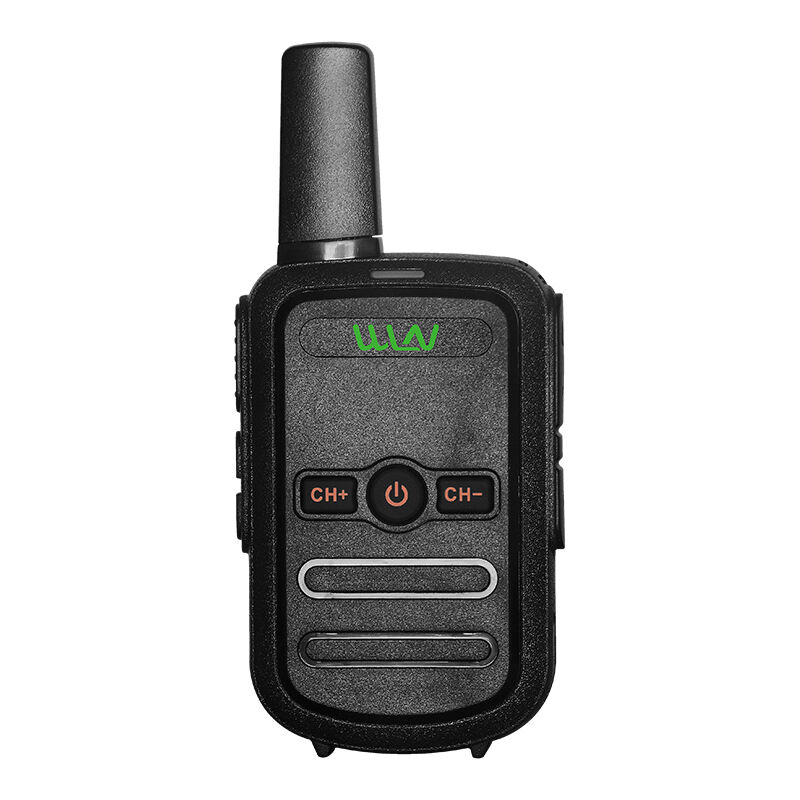
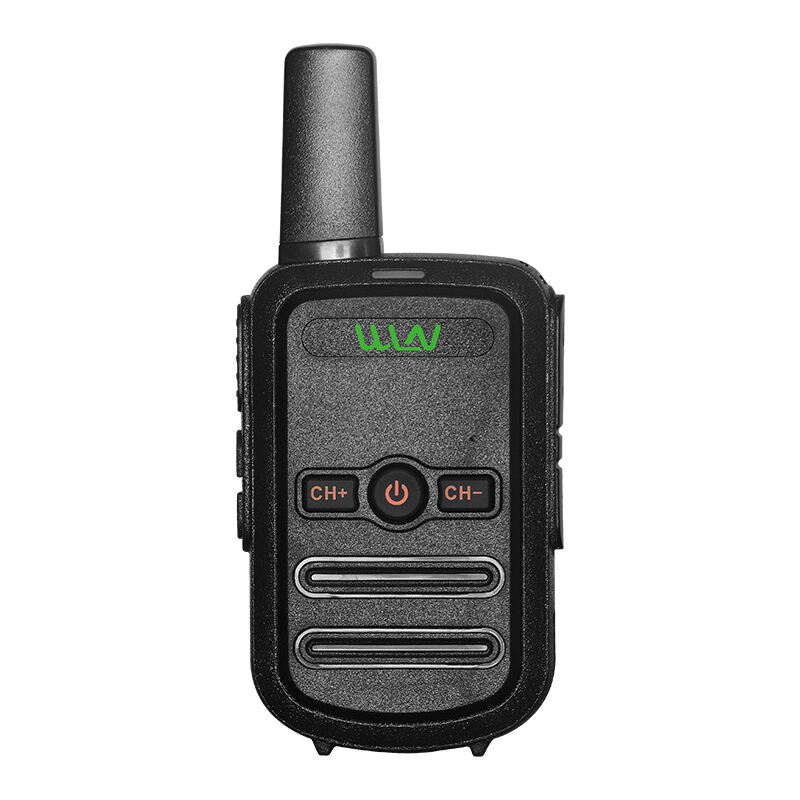
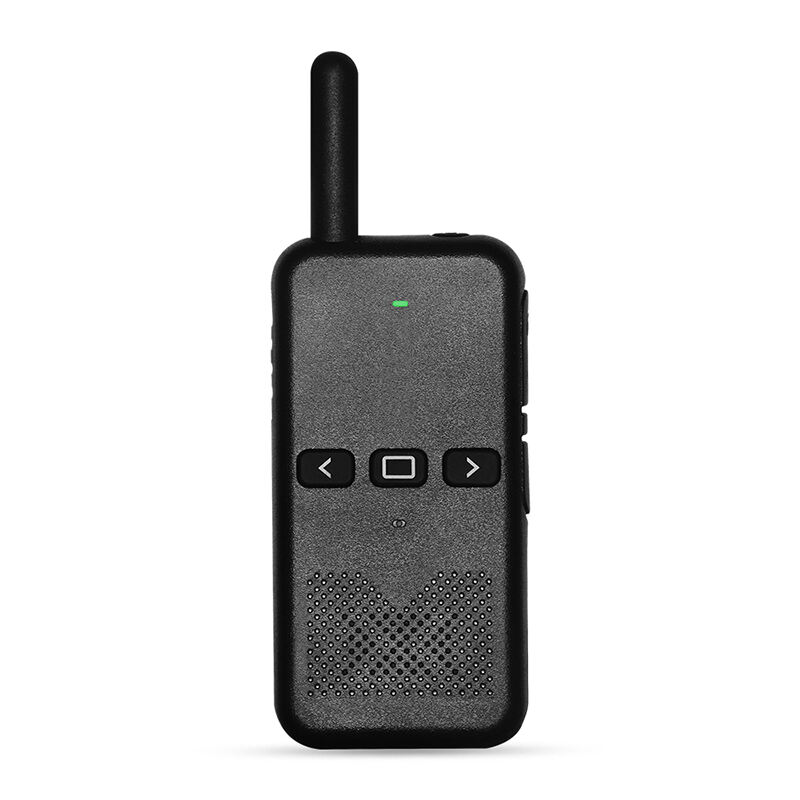
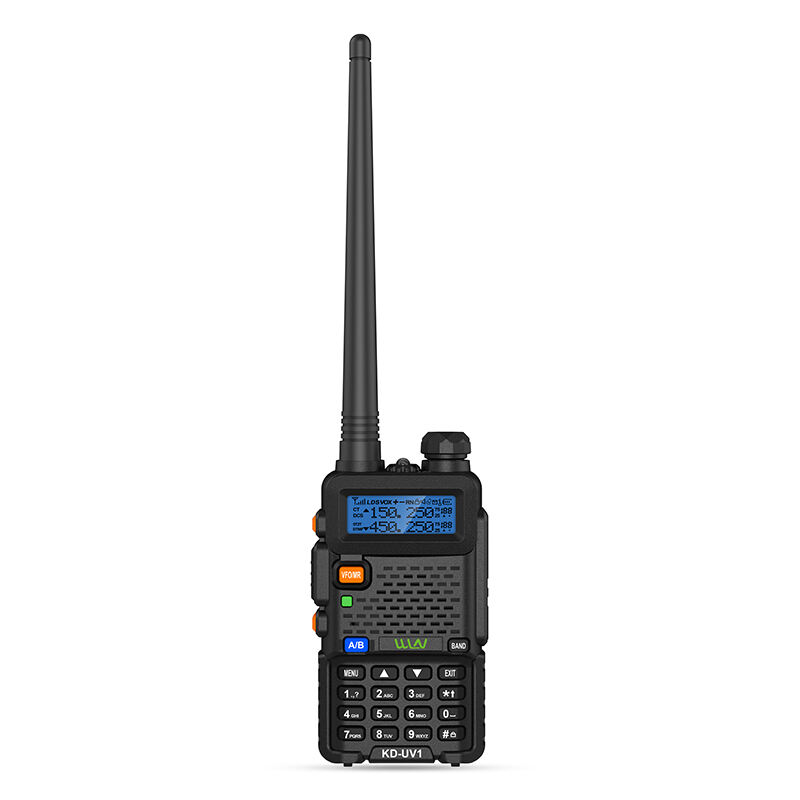
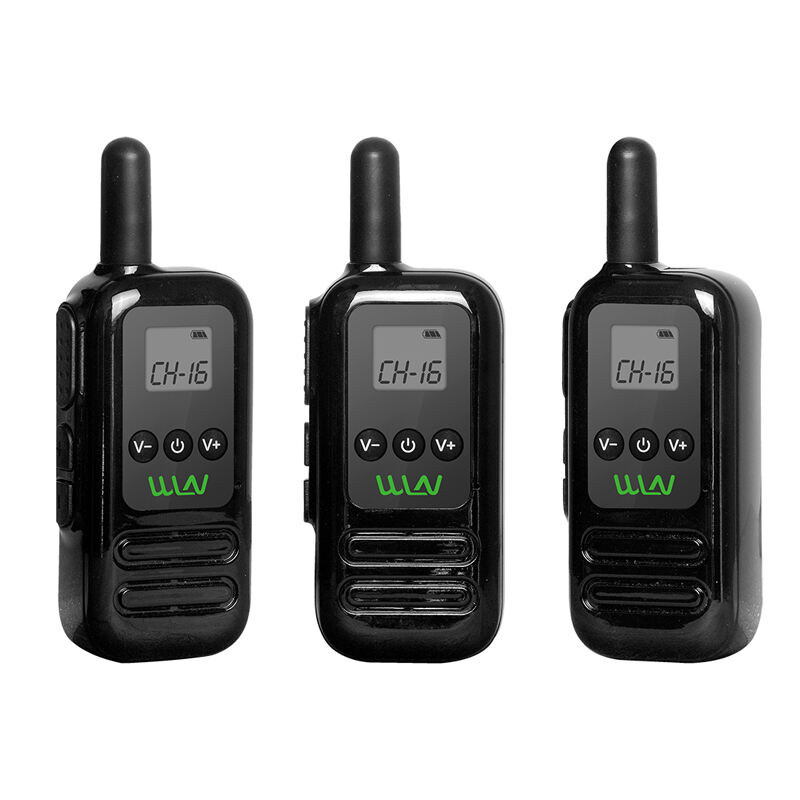
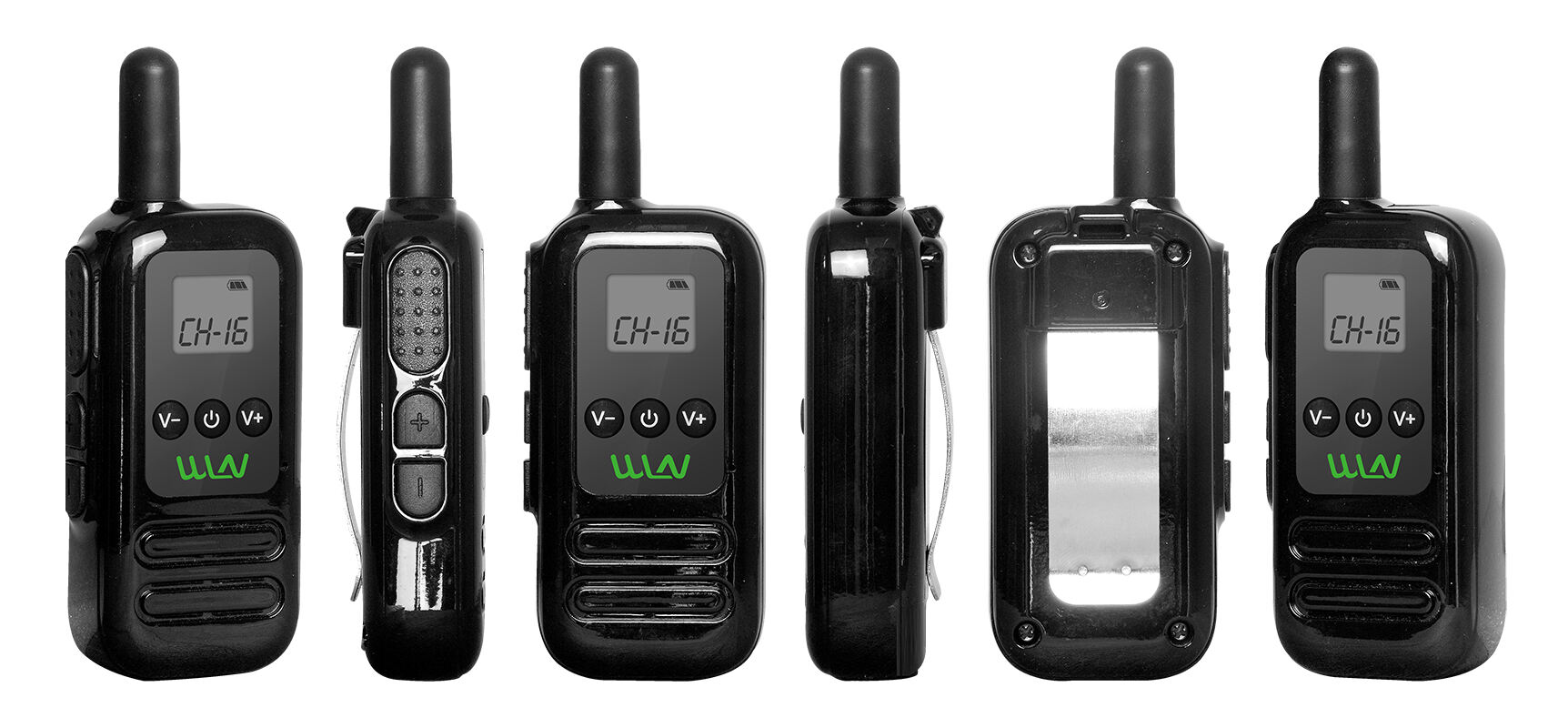
Mini radio multichannel is a type of mini radio equipped with multiple communication channels (typically 8-16 adjustable channels, depending on the model) that allows users to switch between different frequency bands to avoid interference, coordinate multiple teams, or adapt to different communication needs—making it suitable for scenarios where multiple groups are active in the same area or where users need to communicate across different contexts, such as events, outdoor activities, small businesses, or community organizations. Quanzhou Kaili Electronics Co., Ltd. designs its mini radio multichannel to maximize flexibility and usability, leveraging its production expertise to ensure that channel switching is smooth, reliable, and easy to operate for users of all experience levels. The core value of mini radio multichannel lies in its ability to avoid interference: in crowded environments (such as large parks, event venues, or tourist areas), multiple radio users may be operating on the same channel, leading to overlapping conversations and communication breakdowns. The mini radio multichannel solves this by offering 8-16 pre-programmed channels (covering common UHF or VHF frequencies), allowing users to scan and select an unused channel for clear communication. Quanzhou Kaili Electronics programs the channels to comply with international frequency regulations (e.g., FCC-approved frequencies in the US, CE-compliant frequencies in the EU) to ensure legal operation and minimize interference with other radio services (such as public safety or commercial communication). The radio’s channel scanning function—available in most multichannel models—automatically searches for active channels and highlights unused ones, saving users time and effort in finding a clear frequency. For users coordinating multiple teams, mini radio multichannel enables dedicated channel assignment: for example, a small event company can assign Channel 1 to the setup team, Channel 2 to guest services, and Channel 3 to security—ensuring that each team communicates without disrupting others. A family on a camping trip can use one channel for parent-child communication and another to stay in touch with nearby friends. The radio’s channel locking function prevents accidental channel changes, which is critical for teams that need to maintain consistent communication (e.g., a warehouse team coordinating inventory tasks). Quanzhou Kaili Electronics designs the channel selection interface to be intuitive: the mini radio multichannel features a dedicated channel switch button (or a rotating knob on some models) and a clear LED or LCD display that shows the current channel number—making it easy for users to identify and switch channels quickly, even in busy or low-light environments. The company also includes a channel label function in some models, allowing users to assign simple names (e.g., "Setup," "Security") to channels via the display, further enhancing usability for teams. In terms of performance, the mini radio multichannel maintains consistent signal quality across all channels: each channel is tested during production using imported signal analyzers to ensure that signal strength, transmission range (1-3 kilometers in open areas), and audio clarity are uniform—so users do not experience reduced performance when switching between channels. The radio’s anti-interference technology (basic in standard models, advanced digital anti-interference in premium multichannel models) works across all channels, filtering out background noise and ensuring that conversations remain clear regardless of the selected frequency. Battery life is optimized for multichannel use: switching between channels and using the scanning function consumes minimal additional power, so the radio’s rechargeable battery still provides up to 12 hours of continuous talk time and 70 hours of standby time—consistent with non-multichannel mini radios. The radio also includes a low-battery indicator that alerts users when power is running low, ensuring that they can switch to a backup channel or recharge before communication is interrupted. Quality control for mini radio multichannel focuses on channel stability and reliability: each unit undergoes testing to verify that all channels operate correctly, that channel switching is smooth (no delays or signal drops), and that the scanning function accurately identifies active and inactive channels. The company’s engineering team also tests the radio in environments with multiple radio signals to ensure that it can effectively avoid interference and maintain clear communication. Whether used by a small business coordinating multiple teams, a community organization managing a local event, or a group of friends engaging in outdoor activities, the mini radio multichannel from Quanzhou Kaili Electronics delivers the flexibility and reliability needed to communicate clearly in diverse scenarios—meeting the needs of users across different cultural and practical contexts worldwide.