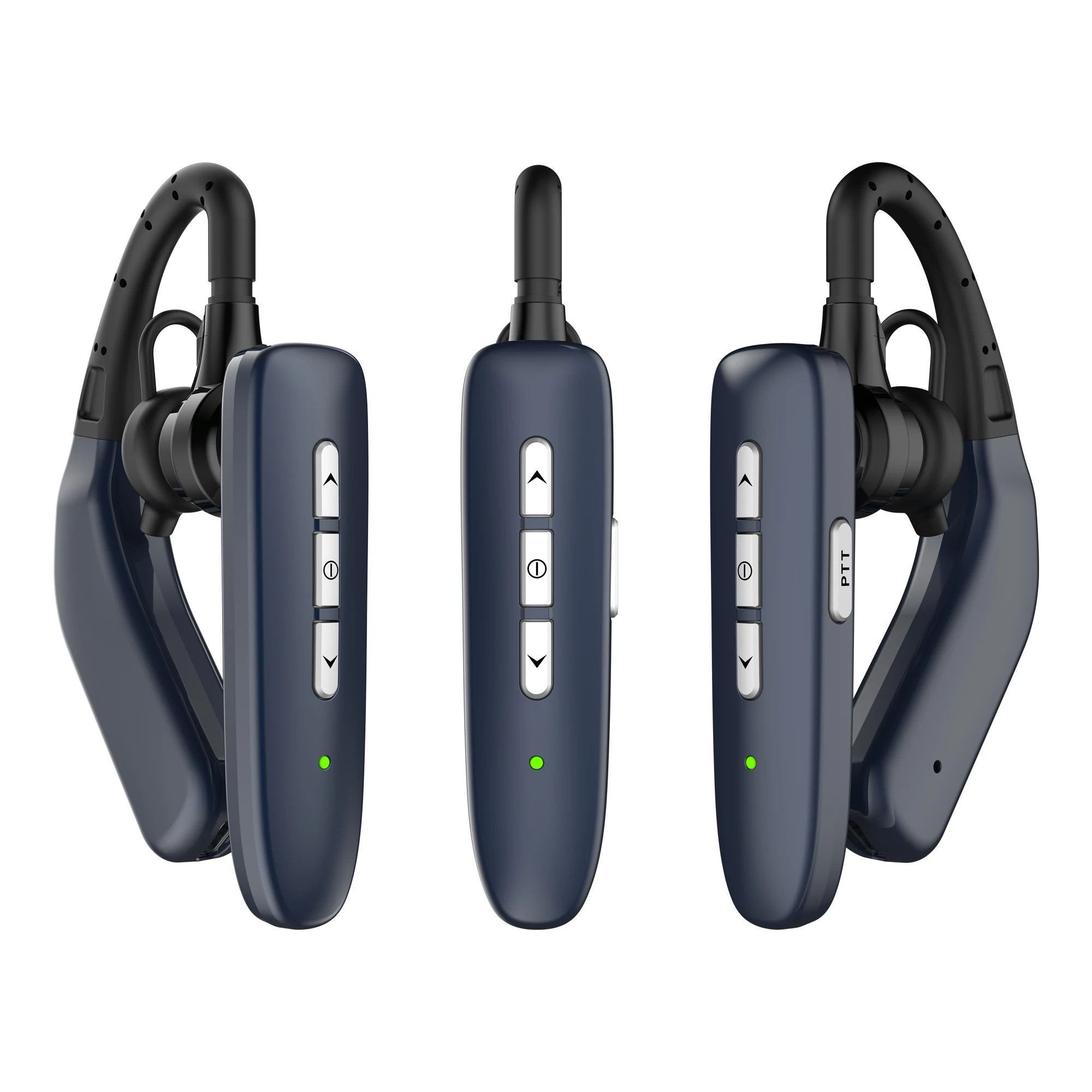
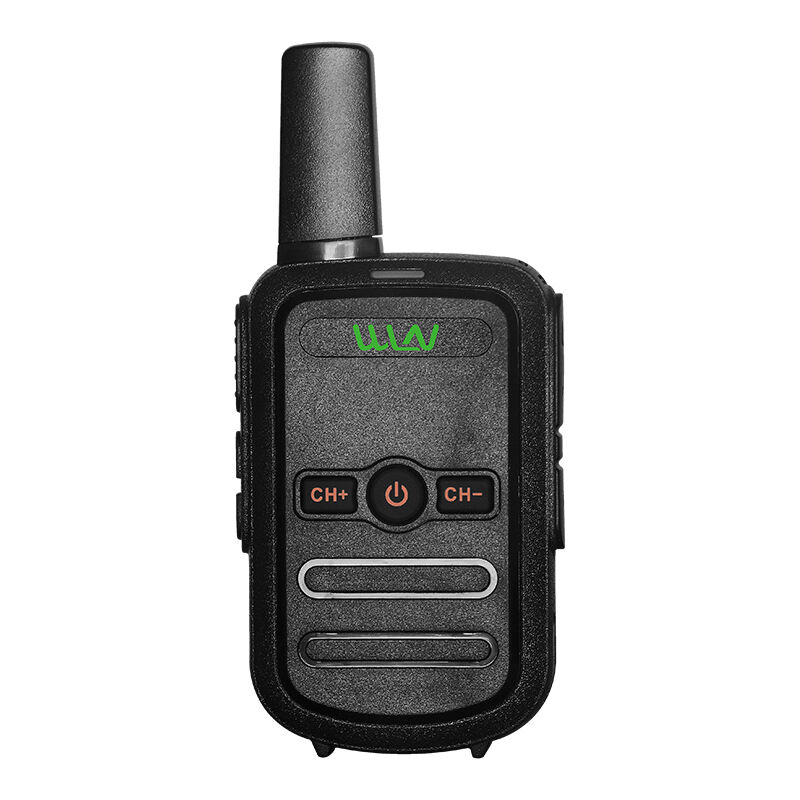
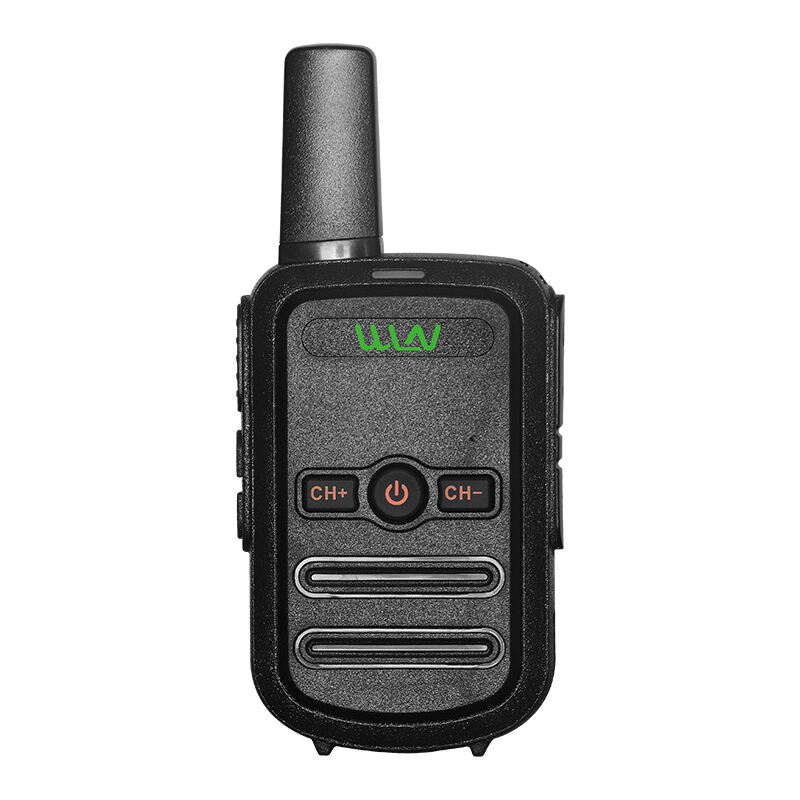
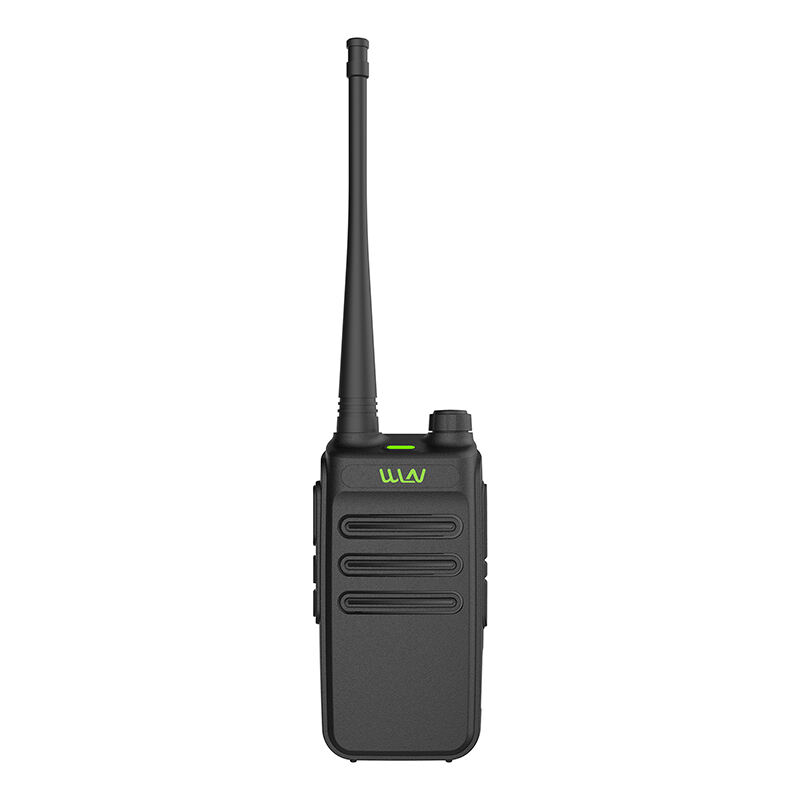
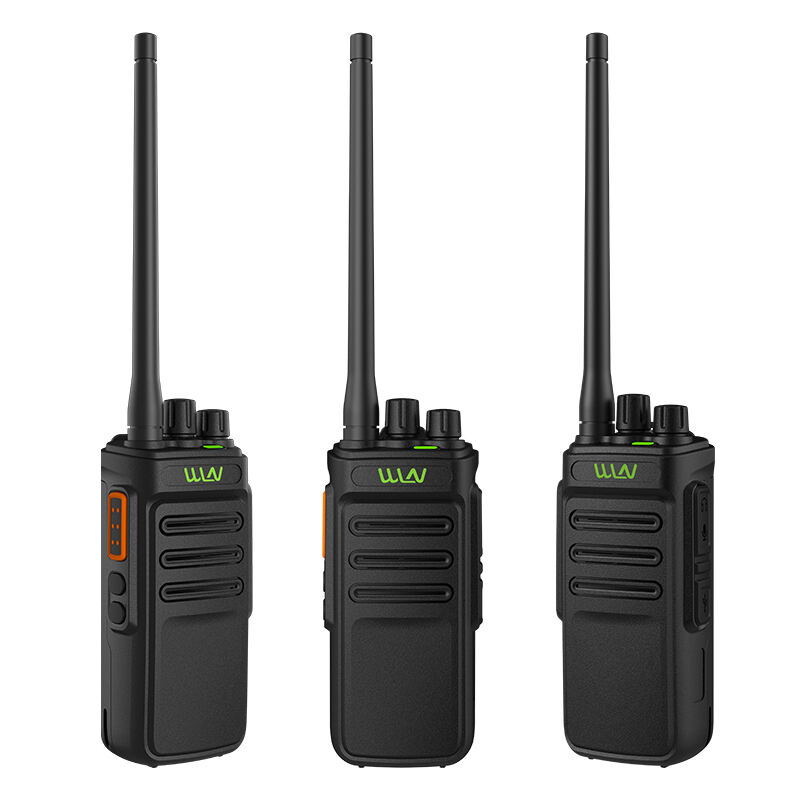
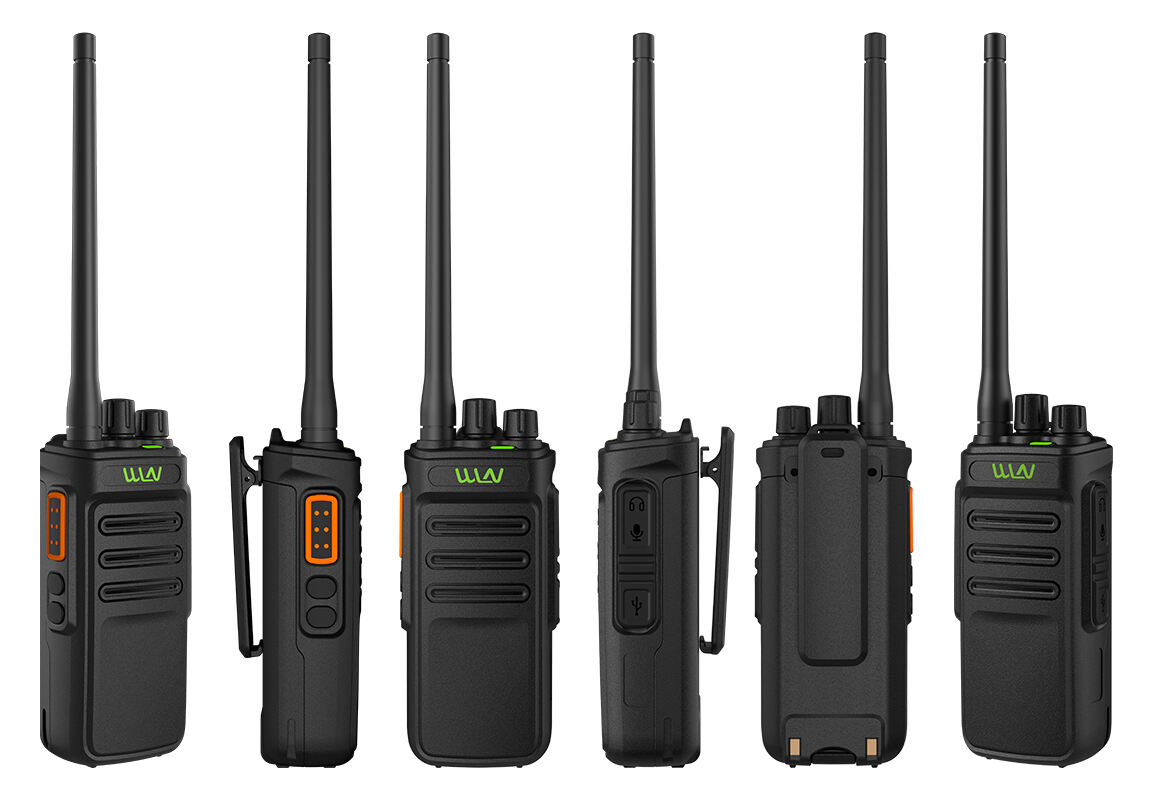
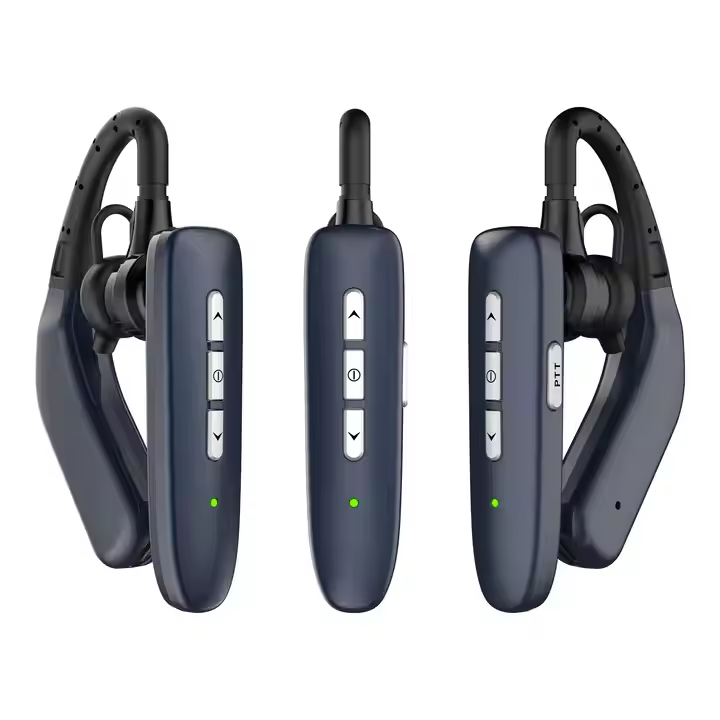
Earhook radio noise reduction is a specialized hands-free communication device engineered to eliminate or suppress unwanted background noise, ensuring clear communication in high-noise environments such as construction sites, industrial facilities, outdoor adventure areas, and busy transportation hubs. Quanzhou Kaili Electronics Co., Ltd. develops this radio by integrating cutting-edge noise cancellation technologies, rugged construction, and ergonomic earhook design, leveraging its 12,000-square-meter standard factory, imported noise testing equipment, and experienced R&D team (part of the company’s over 250 employees) to create a solution that addresses the most challenging acoustic conditions. The primary technology driving this radio’s noise reduction capability is its advanced digital signal processing (DSP) system, which employs a combination of adaptive filtering and spectral subtraction algorithms to identify and suppress up to 85% of background noise. Unlike basic noise filters that only reduce high-frequency sounds, this DSP chip analyzes the frequency, amplitude, and duration of incoming audio in real time, distinguishing between speech (typically 300Hz–3kHz with variable amplitude) and consistent background noise (e.g., 50Hz–100Hz for machinery hum, 2000Hz–5000Hz for wind noise). For example, in a construction site with running jackhammers (producing 90dB of low-frequency noise), the DSP system will isolate the jackhammer’s frequency range and reduce its volume by up to 20dB, while preserving the clarity of the user’s speech. Complementing the DSP technology is the radio’s directional microphone design, which features a narrow pickup pattern that focuses on sound coming directly from the user’s mouth while rejecting sound from other directions. The microphone is also equipped with a hydrophobic windscreen made of acoustically transparent foam, which reduces wind noise by up to 35% during outdoor use (e.g., hiking, truck driving in windy conditions). Quanzhou Kaili Electronics tests this microphone design in its wind tunnel laboratory, simulating wind speeds of up to 50km/h to ensure that wind noise does not overwhelm speech. The earhook’s physical design further enhances noise reduction through passive isolation: the earpiece is crafted from soft, dense silicone that conforms to the shape of the outer ear, creating a seal that blocks ambient noise from entering the ear canal. This passive isolation reduces low-frequency noise (e.g., machinery vibrations) by an additional 15–20%, working in tandem with the active DSP system to create a comprehensive noise reduction solution. The earhook’s lightweight construction (35 grams) ensures that the seal remains comfortable even during 12-hour shifts, a critical feature for users like industrial workers or security guards who wear the radio all day. Durability is a key consideration for high-noise environments, which often involve rough handling and exposure to dust, moisture, or impacts. The radio’s casing is made of high-impact polycarbonate reinforced with fiberglass, capable of withstanding drops from 1.8 meters onto concrete surfaces and meeting an IPX5 waterproof standard (resistant to low-pressure water jets). The internal components, including the DSP chip and microphone, are protected by a shock-absorbing silicone gasket that prevents damage from vibration—common in industrial settings with running machinery. Quanzhou Kaili Electronics verifies these durability features through rigorous testing, including vibration testing (simulating 50Hz vibrations for 24 hours) and dust testing (exposing the radio to fine dust for 8 hours). Battery life is optimized for extended use in high-noise environments, where communication may be frequent. The radio is powered by a 1800mAh high-capacity lithium-ion battery that provides up to 16 hours of continuous talk time and 90 hours of standby time. The battery’s power management system is designed to prioritize the DSP noise reduction function, ensuring that noise cancellation remains active even as the battery level drops—unlike cheaper radios that disable advanced features to save power. The radio supports fast charging via a USB-C port, reaching 80% capacity in 1.5 hours, and includes a vehicle charger adapter for users like truck drivers who need to recharge on the road. For global adaptability, the radio complies with international electromagnetic compatibility (EMC) standards (e.g., EN 300 220 for radio equipment), ensuring that it does not interfere with other electronic devices and that its noise reduction performance is not disrupted by external electromagnetic signals. It also comes with a multi-language user manual (English, French, Spanish, German, Japanese) that includes tips for optimizing noise reduction in specific environments (e.g., adjusting DSP sensitivity for industrial vs. outdoor use). Whether used by construction workers communicating near heavy machinery, hikers staying in touch in windy mountain areas, or warehouse staff coordinating in noisy distribution centers, earhook radio noise reduction from Quanzhou Kaili Electronics delivers clear, reliable communication that cuts through the chaos—aligned with the company’s philosophy of "quality win" and its commitment to meeting the unique needs of users in challenging environments.

 EN
EN