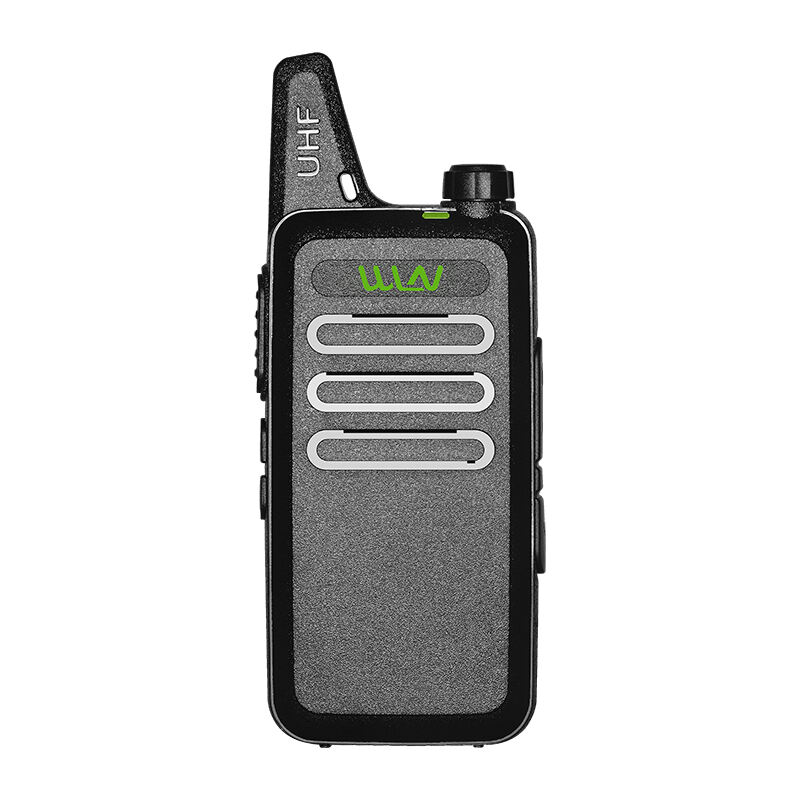
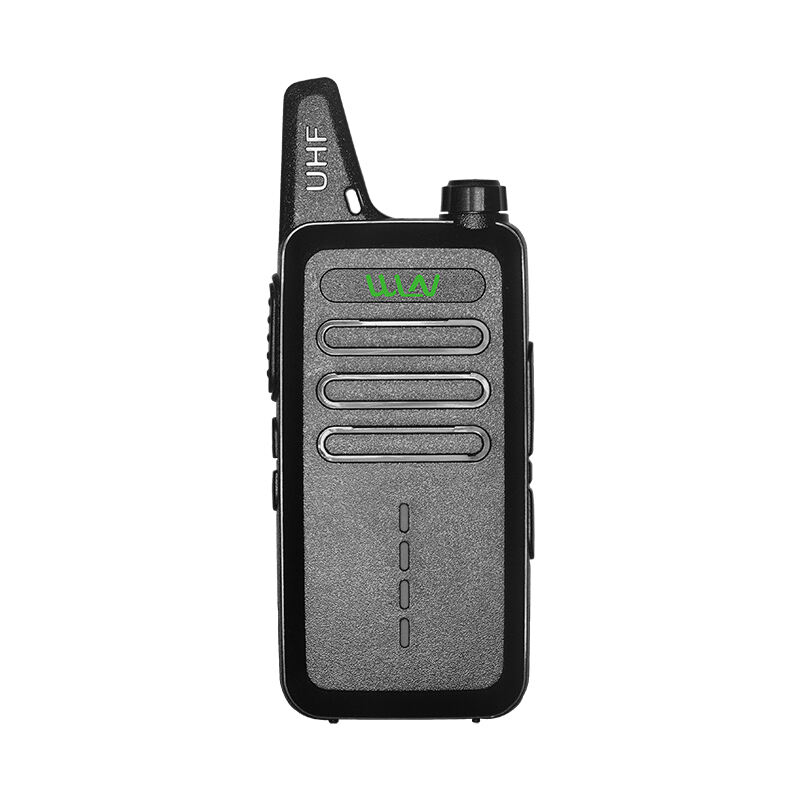
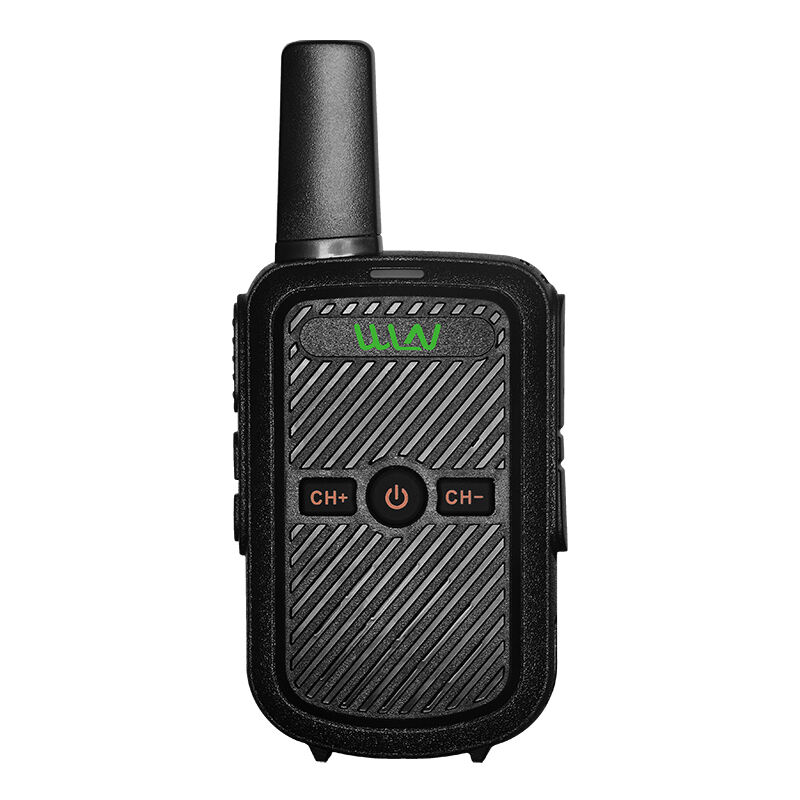
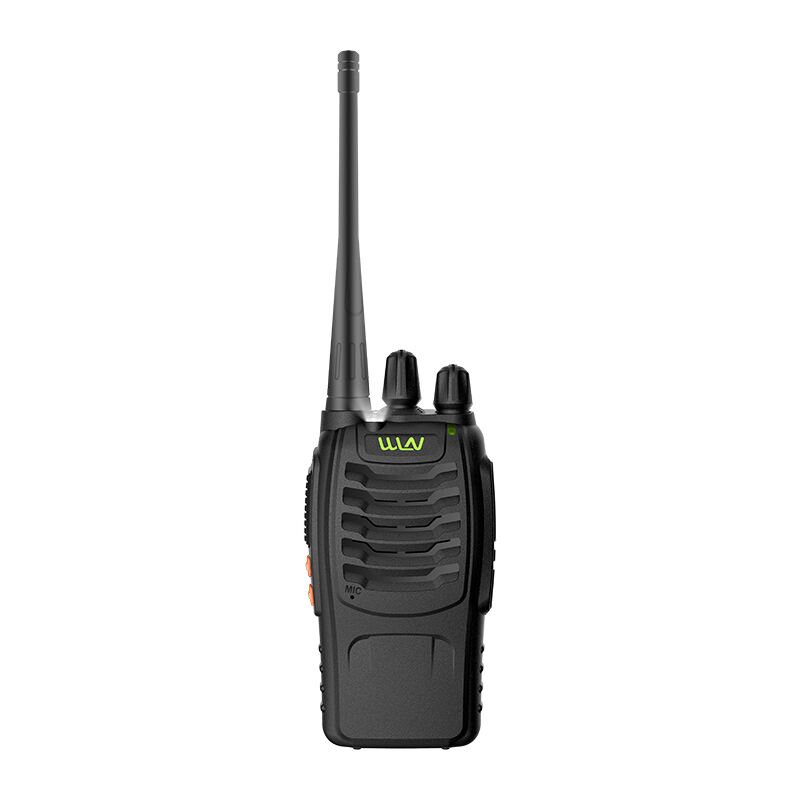
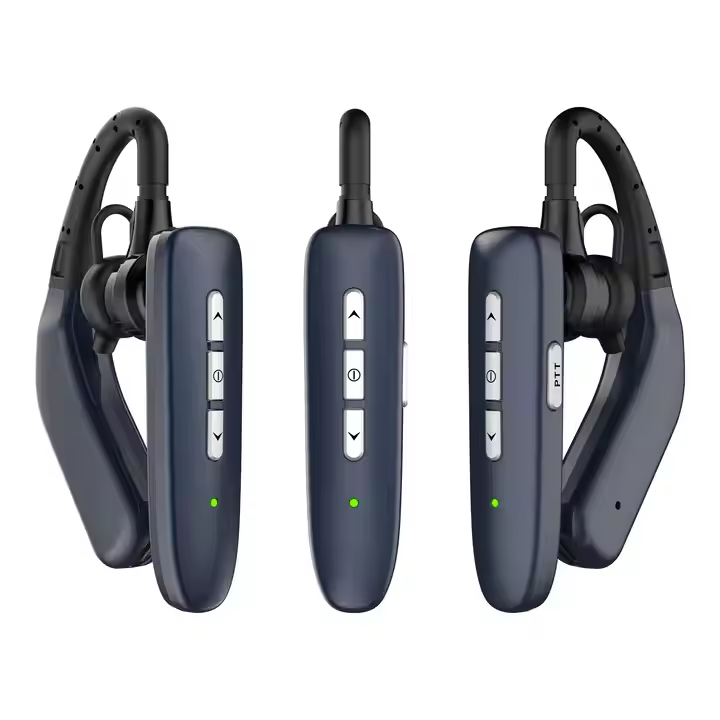
Earhook radio for emergency is a specialized communication device designed to provide reliable connectivity during critical situations—including natural disasters (earthquakes, floods), medical emergencies, outdoor rescues, or power outages—addressing needs such as hands-free operation, durability in disaster conditions, long battery life, clear communication in chaotic environments, and emergency alert functionality. Quanzhou Kaili Electronics Co., Ltd. develops this radio by integrating life-saving features with its expertise in earhook walkie-talkies, leveraging its 12,000-square-meter standard factory, advanced emergency response technologies, and imported testing instruments to create a tool that enhances safety and survival during crises. The most critical feature of this radio is its hands-free design, which is essential during emergencies where users may need to perform life-saving tasks (e.g., administering first aid, moving debris, evacuating others) while communicating. The earhook is made of rigid yet flexible medical-grade silicone that stays securely in place even during panic or physical exertion, with an adjustable strap to fit all ear sizes (from children to adults). The earpiece uses bone-conduction technology that delivers audio through the earbone, ensuring users can hear incoming calls even if their ears are blocked by debris, water, or protective gear (e.g., face masks, helmets). The talk button is large (1.5cm in diameter) and textured for easy location by touch—critical for users in low-visibility conditions (e.g., smoke-filled rooms, nighttime disasters) who cannot see the radio. Durability in disaster conditions is non-negotiable: the radio’s casing is made of a fire-retardant, impact-resistant composite material (aramid fiber + polycarbonate) that can withstand extreme impacts (e.g., being crushed by falling debris) and temperatures up to 120°C (for fire-related emergencies). It meets an IP68 waterproof standard, allowing it to be submerged in 2 meters of water for 60 minutes—essential for flood rescues or water-related disasters. The internal components are sealed in a waterproof, dustproof chamber to protect against contamination from chemicals, mud, or sewage (common in post-disaster environments). The radio undergoes "disaster simulation testing" in the factory—being exposed to fire, water, impacts, and chemical sprays—to ensure it remains functional when lives depend on it. Long battery life is critical during emergencies where access to electricity is limited or non-existent: the radio uses a 2000mAh high-capacity lithium-ion battery that provides up to 24 hours of continuous talk time and 120 hours of standby time—enough to last through multiple days of a disaster (e.g., a 72-hour earthquake response). It supports multiple charging methods: fast charging via USB-C (compatible with portable power banks or car chargers), solar charging (via an optional foldable solar panel), and hand-cranking (a built-in crank that generates power for emergency use when no other charging source is available). The battery has a low-power mode that extends standby time to 150 hours for users who need to conserve power for critical calls. Clear communication in chaotic emergency environments (with loud noises like sirens, screams, or machinery) is achieved through advanced digital noise reduction technology and a high-output speaker. The radio’s DSP (Digital Signal Processor) filters out 90% of non-speech noise, including siren wails, engine sounds, and crowd chatter, while amplifying speech frequencies to ensure clarity. The speaker delivers audio at 100 decibels—loud enough to be heard over disaster noise—and includes a "priority alert" function that automatically increases the volume of incoming emergency calls (e.g., rescue team coordinates, evacuation orders) to ensure they are not missed. Emergency-specific features are integrated to save lives: a dedicated one-touch SOS button that, when pressed, transmits a pre-recorded emergency message (e.g., "Emergency at [location], need assistance") to all nearby radios and pre-programmed emergency contacts (e.g., local rescue services, family members). The radio includes a built-in NOAA weather radio (in models for regions with NOAA coverage) that automatically receives weather alerts (e.g., tornado warnings, flood watches) even if the user is not actively using the radio. It has a "location beacon" function that transmits the user’s GPS coordinates (via an optional GPS module) to rescue teams, and a built-in LED flashlight with an SOS mode that flashes in an international distress pattern (3 short, 3 long, 3 short) for visual signaling. Compatibility with emergency response systems is a key feature: the radio supports UHF frequencies used by emergency services worldwide (e.g., 450–470MHz for search and rescue teams) and can be programmed to match local emergency channels. It includes a "rescue team mode" that allows users to connect directly with first responders, and it can receive encrypted emergency broadcasts to ensure users get accurate, unfiltered information during crises. The radio’s simple interface (no complex menus) ensures it can be used by anyone—even those with no prior radio experience—during high-stress situations. Adhering to its "quality win" philosophy, Quanzhou Kaili Electronics subjects each earhook radio for emergency to 20 stages of quality control, including durability testing, waterproof testing, battery life verification, and emergency function testing. The company works with emergency response agencies to validate the radio’s performance in real-world crises, ensuring it meets the strict standards of rescue teams and disaster relief organizations. With over 250 employees dedicated to R&D and production, this radio serves as a life-saving tool for individuals, families, and emergency responders worldwide, enhancing their ability to communicate, coordinate, and survive during the most critical situations—aligning with Quanzhou Kaili Electronics’ goal of delivering high-quality, mission-critical products.

 EN
EN