
 EN
EN



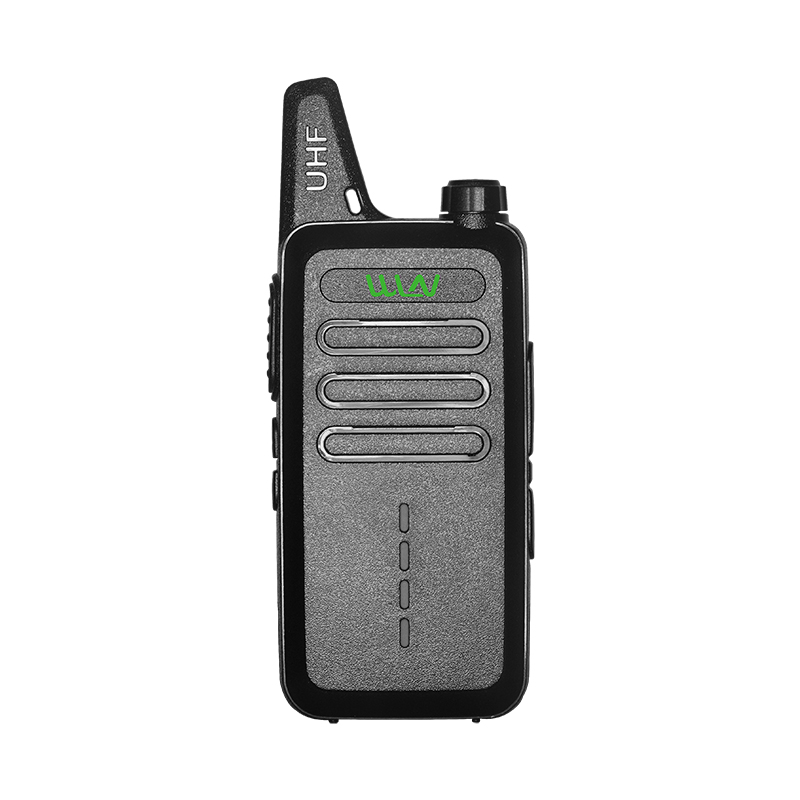
Real-Time Clinical Communication with Secure, Low-Latency PTT
Push-to-Talk for Immediate Team Coordination in Critical Care
The Push-to-Talk feature lets hospital staff hit a button and speak instantly to their team members without waiting through long dialing processes. This matters a lot when seconds count, such as during heart attacks or serious injuries where every moment saved counts. Nurses and doctors can send out quick messages to specific groups they've set up before, like the emergency response team for example. What makes this system stand out from old school pagers or those loud overhead speakers is that it works on secure internet connections. The encryption keeps patient information safe according to HIPAA rules, which means clinicians get help faster without compromising privacy standards.
Sub-100ms Latency and IEC 62443-Compliant Encryption
The best clinical grade PTT systems can get down to under 100 milliseconds for end to end latency, which beats what most humans can react to. They do this by smart routing strategies and being ready for 5G networks when they roll out fully. When people talk into these systems, their words basically arrive at the other end before anyone even notices there was a trip across the network. On the security side things are pretty solid too. These systems stick to the IEC 62443 standards for industry security, throw in AES 256 encryption for good measure, and set up a zero trust environment so nobody gets anywhere near sensitive patient data unless they absolutely should. Even if the network starts acting up, the protections stay intact.
Proven Impact: 42% Faster Code Blue Activation Across Tier-1 Hospitals
A 2024 Hospital Efficiency Report analyzing 37 facilities using low-latency PTT found consistent improvements in response-critical metrics:
| Metric | Improvement | Clinical Impact |
|---|---|---|
| Code Blue team activation | 42% faster | Earlier CPR initiation |
| Emergency medication retrieval | 29% faster | Reduced time-to-treatment |
| Handoff errors | 67% reduction | Fewer miscommunication incidents |
These gains stem from replacing manual alert workflows with direct voice coordination. Nurses initiating Code Blue protocols reached specialists an average of 11 seconds fasterâa clinically meaningful difference for neurological recovery post-cardiac arrest.
Unified Communications Support for Hybrid Clinical Workflows
Native Integration with UCaaS Platforms (VoIP, Video, Messaging)
Modern professional comms gear works right out of the box with UCaaS platforms, bringing together VoIP calls, encrypted video meetings, and urgent message systems all in one place. Doctors and nurses can start specialty consultations or send critical alerts without having to jump between different apps on their devices. Clinical efficiency research shows this cuts down mental strain by about 37% when responding to emergencies. The whole package makes it easier for teams to work together whether they're in different hospital departments, at satellite locations, or on the move. Patients get better care because decisions happen faster and there's less confusion about who needs what information when.
Cross-Platform Interoperability: Mobile, Desktop, and Rugged Hardware
The solutions work reliably on all kinds of devices including smartphones, tablets, desktop computers, and specially built tough hardware. Doctors starting consultations at workstations can pick up right where they left off using antimicrobial resistant hardware in isolation areas without worrying about call drops or having to log in again. These rugged units pass MIL-STD-810G tests for impacts and have IP67 ratings against water and dust, which means they hold up well in critical areas such as emergency rooms and operating theaters. The system's interoperability feature lets everyone on staff communicate securely no matter what kind of device they're holding. This cuts down on duplicate devices by around 29 percent and helps maintain infection control protocols. Sessions stay connected even when patients move between departments, during code situations, or when responsibility shifts from one team member to another throughout the day.
Rugged Reliability Engineered for High-Acuity Clinical Environments
Medical environments demand communication tools that endure daily physical stress and rigorous disinfectionâwithout compromising uptime or safety. Professional devices are built to meet these dual imperatives.
IP67 Sealing, 1.5m Drop Resistance, and Disinfectant-Ready Design
- IP67 sealing prevents dust and fluid intrusion during emergencies
- 1.5-meter drop resilience maintains full operation after accidental impacts
- Chemical-resistant materials withstand repeated exposure to hospital-grade disinfectants
This engineering eliminates two leading causes of hardware failure identified in clinical equipment studiesâensuring zero communication downtime in ERs, ICUs, and other high-stakes settings. The result is uninterrupted coordination where reliability directly supports patient safety.
Cost-Efficient Scalability Through Vendor-Managed Deployment
31% Lower TCO Over 3 Years vs. Legacy Two-Way Radio Systems
When health systems switch to vendor managed cloud hosted communication tools, they typically see about 31 percent lower total cost of ownership (TCO) across three years than what they paid for old fashioned two way radios. The main reason? Predictable pricing based on actual usage cuts out those big initial hardware costs and also lightens the load when it comes to regular maintenance headaches. Cloud native setups can grow or shrink depending on how busy clinics get. No more wasted resources sitting idle during slow periods, yet still able to handle sudden rushes without any downtime. Since providers take care of security issues, compliance requirements, and all the behind the scenes infrastructure work, hospitals don't have to deal with expensive audits, constant software patches, or getting stuck with unwanted system upgrades. Looking at industry numbers, these cloud solutions tend to cut down yearly operating costs somewhere around seven hundred forty thousand dollars annually.
FAQ Section
What is Push-to-Talk (PTT) and how does it benefit hospitals?
Push-to-Talk (PTT) allows hospital staff to instantly communicate with team members without delays from dialing. It is crucial in emergencies where time is critical, enhancing quick response while maintaining HIPAA-compliant patient information security.
How fast is the latency in clinical grade PTT systems?
Clinical grade PTT systems can achieve end-to-end latency of under 100 milliseconds, which is faster than the average human reaction time. This is accomplished through smart routing and 5G readiness.
What improvements have been observed with the use of low-latency PTT in hospitals?
The use of low-latency PTT in hospitals has led to a 42% faster activation of Code Blue teams, 29% quicker emergency medication retrieval, and a 67% reduction in handoff errors, significantly enhancing clinical response times.
How does cross-platform interoperability benefit hospital communication?
It ensures seamless communication across various devices, such as smartphones and tablets, maintaining connectivity without call drops. This reduces duplicate devices by 29% and supports infection control protocols.
What are the economic benefits of cloud-hosted communication tools for healthcare systems?
Such systems offer a 31% lower total cost of ownership over three years compared to traditional two-way radios by eliminating high initial costs and reducing annual operating expenses by around $740,000.
Table of Contents
- Real-Time Clinical Communication with Secure, Low-Latency PTT
- Unified Communications Support for Hybrid Clinical Workflows
- Rugged Reliability Engineered for High-Acuity Clinical Environments
- Cost-Efficient Scalability Through Vendor-Managed Deployment
-
FAQ Section
- What is Push-to-Talk (PTT) and how does it benefit hospitals?
- How fast is the latency in clinical grade PTT systems?
- What improvements have been observed with the use of low-latency PTT in hospitals?
- How does cross-platform interoperability benefit hospital communication?
- What are the economic benefits of cloud-hosted communication tools for healthcare systems?

