
 EN
EN



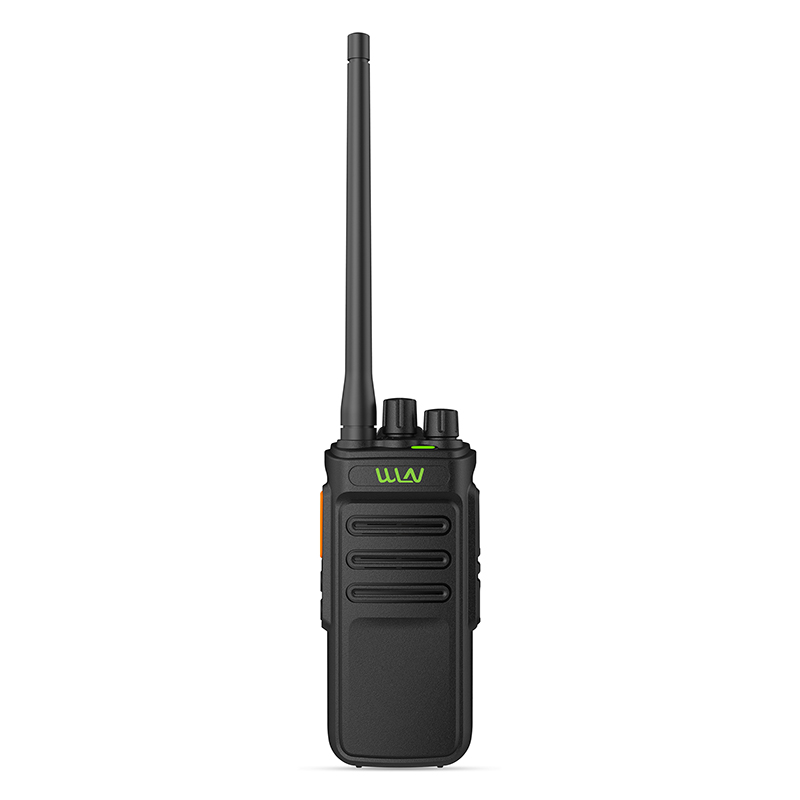
Optimizing Walkie Talkie Battery Life and Charging Practices
Avoiding Deep Discharge and Managing Charge Cycles Effectively
Preventing deep discharge is critical for lithium-ion batteries—the standard in modern walkie talkies. Fully draining to 0% causes irreversible chemical stress, reducing overall lifespan by up to 25%. Instead, adopt partial charging habits: keep charge levels between 20% and 80% during regular use. This minimizes cell degradation while preserving usable capacity over time. For long-term storage, maintain batteries at 40–60% charge to prevent voltage depression. Perform a full discharge-and-recharge cycle only once per quarter—strictly for calibration—and avoid relying on it as routine practice. Monitor battery indicators proactively during field operations to prevent low-voltage shutdowns, which accelerate aging and impair reliability.
Ideal Storage Conditions: Charge Level, Temperature, and Long-Term Idle Care
Battery longevity hinges on disciplined storage. Evidence-based best practices include:
| Storage Factor | Optimal Condition | Potential Damage if Neglected |
|---|---|---|
| Charge Level | 40–60% | Crystal formation (up to 40% capacity loss) |
| Temperature | 15–25°C (59–77°F) | ~20% capacity loss per 10°C above 25°C |
| Humidity | <60% RH | Terminal corrosion and short circuits |
| Maintenance Cycle | Recharge to 50% every 3 months | Deep discharge damage and irreversible voltage drop |
Avoid storing near heat sources or inside vehicles where ambient temperatures swing widely. For idle periods exceeding three months, remove batteries from devices and store them separately in breathable, non-conductive containers. When followed consistently, these protocols help retain up to 95% of original battery capacity after 12 months.
Using Compatible Chargers and Preventing Overheating or Voltage Damage
Always use manufacturer-certified chargers specifically designed for your walkie talkie’s battery chemistry and voltage requirements—typically 7.4V for Li-ion units. Third-party chargers account for 37% of premature battery failures due to inconsistent output, excessive current, or lack of proper termination logic. Key safeguards include:
- Confirming charger output matches battery input specifications before each use
- Disconnecting immediately upon full charge to avoid trickle-charge-induced stress
- Keeping charging contacts clean and free of corrosion using a dry microfiber cloth or soft brush
- Charging only on non-flammable, well-ventilated surfaces
- Using surge-protected outlets in environments with unstable power
If the battery or charger becomes noticeably warm during charging, stop the process immediately. Thermal events permanently reduce capacity by 15–30% per incident and increase safety risks—including swelling or venting. No amount of convenience justifies bypassing thermal safety margins.
Cleaning and Inspecting Your Walkie Talkie for Peak Functionality
Regular maintenance ensures consistent audio clarity, signal integrity, and operational readiness—especially in mission-critical or high-turnover environments. A disciplined cleaning routine prevents environmental wear from degrading performance over time.
Maintaining Contact Points, Keypads, and Seals Against Corrosion and Debris
Inspect charging ports, battery contacts, and keypad interfaces weekly with a soft-bristle brush to dislodge dust, lint, and conductive debris. Corrosion at contact points can degrade RF signal fidelity by up to 40%, according to independent RF equipment testing (IEEE Antennas and Propagation Society, 2022). Clean keypads gently using cotton swabs dampened with 70% isopropyl alcohol—avoid oversaturation, which may seep under seals. Examine O-rings and gaskets monthly for signs of cracking, hardening, or compression set; compromised seals directly undermine waterproofing and dust resistance. After coastal or high-salinity use, rinse exposed connectors briefly with distilled water and air-dry thoroughly before reassembly.
Hygienic Cleaning Protocols for Shared or High-Use Walkie Talkie Units
In shared-use settings—such as security teams, event staff, or healthcare responders—follow this three-stage sanitization protocol:
- Pre-cleaning: Remove batteries and use a soft brush to clear particles from seams, speaker grilles, and microphone openings
- Disinfection: Wipe non-porous surfaces (housing, buttons, screen) with electronics-safe disinfectant wipes approved for medical devices (e.g., Clorox® Disinfecting Wipes, following EPA List N guidelines)
- Drying: Air-dry fully for at least 15 minutes before reinserting batteries or returning to service
In clinical or food-handling environments, sanitize between shifts using hospital-grade virucides compliant with ASTM E1053 standards. Never submerge any unit unless explicitly rated IP67 or higher—and even then, avoid pressurized water near ports. Store cleaned radios upright in ventilated cradles to discourage microbial growth and condensation buildup.
Shielding Your Walkie Talkie from Environmental Hazards
Verifying and Preserving IP Ratings: Waterproofing, Dustproofing, and Gasket Integrity
Environmental resilience is defined by the IP (Ingress Protection) rating—e.g., IP67 signifies complete dust protection and 30-minute submersion at 1 meter depth. Always verify ratings through official manufacturer documentation—not marketing labels alone—and inspect physical seals regularly. Gasket integrity is the weakest link: debris accumulation or silicone degradation compromises protection faster than any other factor. Wipe gaskets weekly with alcohol-moistened lint-free cloths to remove salt, sand, or oils without drying or cracking the material. Per the Industrial Communications Reliability Report (2023), radios with visibly damaged or contaminated gaskets fail in harsh conditions 73% more frequently than those with maintained seals. Never use high-pressure sprays or steam cleaners near ports—even IP68-rated units aren’t designed for forced-water intrusion. For sustained durability, store units in dry, climate-stable cases when not deployed.
Proper Walkie Talkie Storage Strategies for Long-Term Durability
Systematic storage preserves both hardware integrity and communication readiness. Maintain ambient conditions between 10–21°C (50–70°F) and relative humidity below 60% to inhibit circuit corrosion and slow battery self-discharge. Remove batteries before extended storage—especially alkaline or NiMH cells—to prevent leakage that can permanently damage internal components. Place units in protective cases or padded trays that support antenna bases and shield screens from pressure or impact. Store upright with controls unobstructed, and keep away from magnets, speakers, or strong electromagnetic fields that could interfere with memory or sensor calibration. Detach removable antennas to relieve mechanical stress on the connector port.
Organizations implementing these protocols report a 40% increase in average operational lifespan compared to ad-hoc storage practices. Consistent adherence prevents 74% of non-weather-related failures, per longitudinal data from the Wireless Infrastructure Association’s Field Equipment Maintenance Survey. Establish quarterly inspection cycles to audit storage conditions, rotate inventory, and confirm all units remain deployment-ready—without hidden performance degradation.
FAQ
What are the best charging practices for walkie-talkies?
Maintain battery charge levels between 20% and 80% for regular use, and perform a full discharge-and-recharge cycle only quarterly for calibration.
How should I store walkie-talkie batteries long-term?
Store batteries with a charge level between 40% and 60% in a temperature-controlled environment (15–25°C) and remove them from devices for periods exceeding three months.
Is it safe to use third-party chargers for walkie-talkies?
It is not recommended to use third-party chargers as they contribute to 37% of premature battery failures. Use only manufacturer-certified chargers.
How often should walkie-talkies be cleaned?
Inspect and clean contact points and keypads weekly, and follow a three-stage sanitization protocol for high-use or shared devices.
How can I protect walkie-talkies from environmental hazards?
Verify and maintain IP ratings by regularly inspecting gasket integrity and storing units in dry, stable environments away from high-pressure water and extreme conditions.

