
 EN
EN



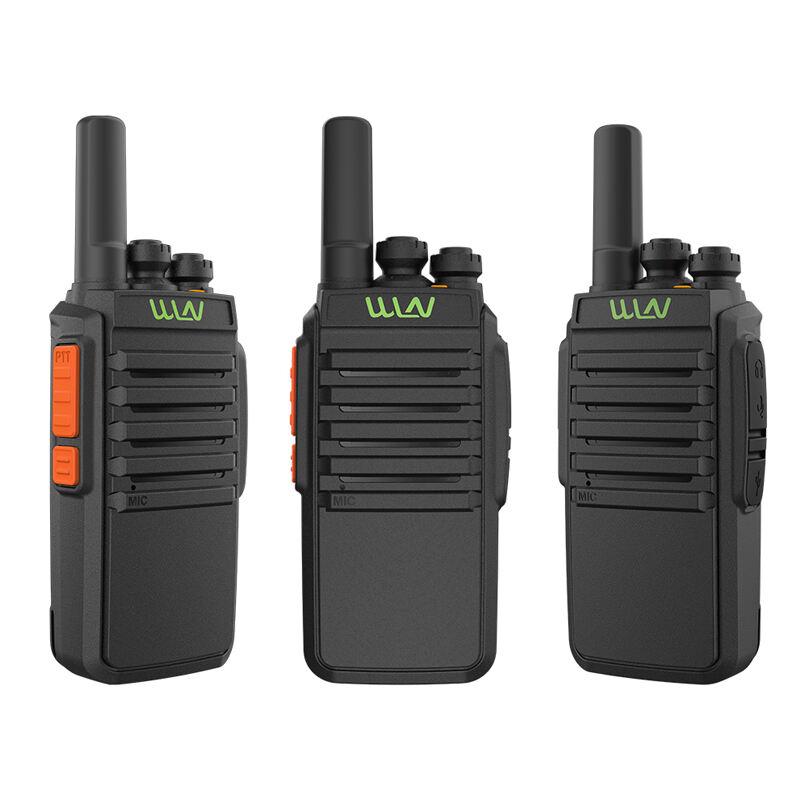
Evaluate Real-World Performance and Ruggedness Beyond Spec Sheets
Why IP68 and MIL-STD Ratings Must Be Validated in Context — Not Just Listed
Just because something has an IP68 or MIL-STD-810 certification written on it doesn't mean much if we don't check how it actually performs in real situations. Labs run tests under perfect conditions - dropping things carefully onto wood panels, submerging them slowly, heating them up gradually. But out there in the field? Radios face all sorts of unexpected problems. Think about chemicals hanging around in storage facilities, sudden temperature changes when working in hot desert environments, or those constant falls from waist height onto hard pavement. The sea air eats away at protective seals over time, which basically makes that fancy IP68 rating pretty much useless after a while. According to some recent studies from actual manufacturing locations, almost a quarter of so-called rugged devices stop working properly within half a year when put through their paces in harsh conditions (Durability Insights 2023). So before making any decisions...
- On-site test videos replicating your specific hazards (e.g., forklift-height drops, monsoon exposure, subzero fireground transitions)
- Failure rate data from deployments matching your environment’s dust load, temperature swings, or impact frequency
- Component-level analysis of shock-absorbing materials—not just pass/fail lab reports
Field Evidence Over Lab Claims: Lessons from Warehouse, Public Safety, and Remote Site Deployments
Product spec sheets just don't account for what actually happens out there in the field, where all sorts of environmental factors can wreck even supposedly tough designs. Take warehouses for instance. Radios rated to survive 1.5 meter drops kept breaking when they fell off forklifts at over 3 meters high. Firefighters had similar problems with their gear failing in freezing conditions, even though it passed cold weather testing in labs. And down in remote mines? Silica dust buildup disabled nearly a third of those so-called IP68 compliant radios within just a few weeks according to Industrial Comms Journal last year. What these experiences show is pretty clear about what manufacturers need to focus on when validating equipment performance.
| Evidence Type | Lab Claim Limitations | Field-Verified Advantage |
|---|---|---|
| Water Resistance | Static immersion tests | Performance during monsoon rains with debris-laden runoff |
| Drop Survival | Controlled-angle impacts | Multi-surface drops from moving vehicles or elevated platforms |
| Temperature Tolerance | Gradual chamber changes | Instant transitions between -20°C and 60°C environments |
Seek documented case studies showing 18+ months of uninterrupted operation in environments mirroring yours—not generic durability claims.
Verify Walkie Talkie Manufacturer Reputation and Vertical Expertise
Decoding Tenure: FCC Licensing History, Product Longevity, and Consistent Firmware Support
Check out a manufacturer's FCC licensing record through the official FCC ID database online. When companies maintain their certifications over time without breaks, it usually means they follow spectrum regulations properly, which helps reduce interference problems in areas crowded with radio frequency devices. How long products stay on the market is important too. Models that have been around for at least five years tend to be more reliable in real world conditions instead of just being part of short marketing campaigns. What really counts though is ongoing firmware support from manufacturers. Security fixes, compatibility improvements, and new features should keep coming regularly after purchase. According to findings published in the Industrial Hardware Reliability Report 2023, nearly two thirds of all communication issues in industry settings stem from old firmware versions. Look for companies that actually document their software updates across multiple years rather than those who only release something once and then forget about it.
Certification Gaps as Red Flags: Missing ATEX, UL, or IECEx for Hazardous Environments
In oil/gas, chemical, or mining sectors, missing ATEX, UL, or IECEx certifications are not oversights—they’re critical safety vulnerabilities. These standards validate explosion-proof construction in flammable atmospheres. Key implications include:
- ATEX absence violates EU Directive 2014/34/EU for Zone 0/1 hazardous areas
- Non-UL compliance breaches NFPA 70 (NEC) Article 500 in North America
-
IECEx exclusion restricts global deployment in offshore or underground mining operations
Manufacturers lacking these certifications typically lack dedicated hazardous-environment testing infrastructure. Field audits show 42% of uncertified “rugged” walkie talkies ignited methane-air mixtures during ignition testing (Safety Journal 2023). Never accept self-declared compliance—require third-party validation documents bearing accredited lab seals.
Audit Regulatory Compliance and Supply Chain Transparency
FCC ID Verification and Gray-Market Risk Mitigation: A Step-by-Step Due Diligence Checklist
Gray-market walkie talkies often lack FCC authorization, exposing users to $740,000 in potential penalties (FCC 2023) and unmitigated interference risks. Use this checklist to verify legitimacy:
- Cross-reference FCC IDs with the official FCC ID Search to confirm approval status matches the manufacturer and model
- Demand component traceability reports, including raw material origins and final assembly location
- Inspect physical and digital documentation for inconsistencies in branding, compliance marks, or warranty terms
- Validate Certificates of Conformity for FCC Part 90 standards through independent auditors—not internal declarations
- Audit distribution channels, confirming seller authorization directly with the manufacturer
Supply chain opacity increases gray-market infiltration risk by 68% (Ponemon Institute 2023). In mission-critical settings, manufacturing pedigree isn’t optional—it’s foundational.
Assess End-to-End Support Infrastructure for Long-Term Reliability
Response Time, OTA Update Cadence, and Onsite Training Scalability as Trust Signals
A walkie talkie's long-term reliability hinges less on its first-day specs than on the vendor's ongoing support infrastructure. Prioritize manufacturers guaranteeing sub-24-hour hardware replacement pledges, especially for fleets deployed across multiple sites—downtime mitigation is non-negotiable in public safety or logistics.
Over-the-air (OTA) firmware updates must deliver bi-monthly security patches and interoperability enhancements, not annual rollouts. This cadence ensures radios evolve alongside emerging threats and network upgrades—critical for agencies operating legacy and next-gen systems simultaneously.
Multisite businesses need training that can scale across locations, including those train the trainer sessions and different certification tracks for specific roles. This approach keeps everyone on the same page when it comes to protocols, no matter where they are or how staff changes over time. What makes this work? Well, according to recent industry reports, regular over the air updates actually prolong device life by around 40%. And companies that offer good support plus flexible training options typically save between 17% and 23% on overall equipment costs. The Industrial Hardware Reliability Report from last year backs these numbers up pretty solidly.
FAQ Section
Why is real-world validation important for rugged devices?
Real-world validation ensures rugged devices perform well in actual harsh conditions rather than just lab settings, revealing potential weaknesses or failures under environmental stress.
What should you look for in manufacturers when buying walkie talkies?
Look for consistent FCC licensing history, product longevity, regular firmware updates, and necessary certifications like ATEX, UL, or IECEx for hazardous environments.
Why is supply chain transparency crucial in avoiding gray-market risks?
Supply chain transparency helps confirm legitimate distribution and compliance, minimizing risks associated with unapproved gray-market products which can lead to interference and hefty penalties.

