
 EN
EN



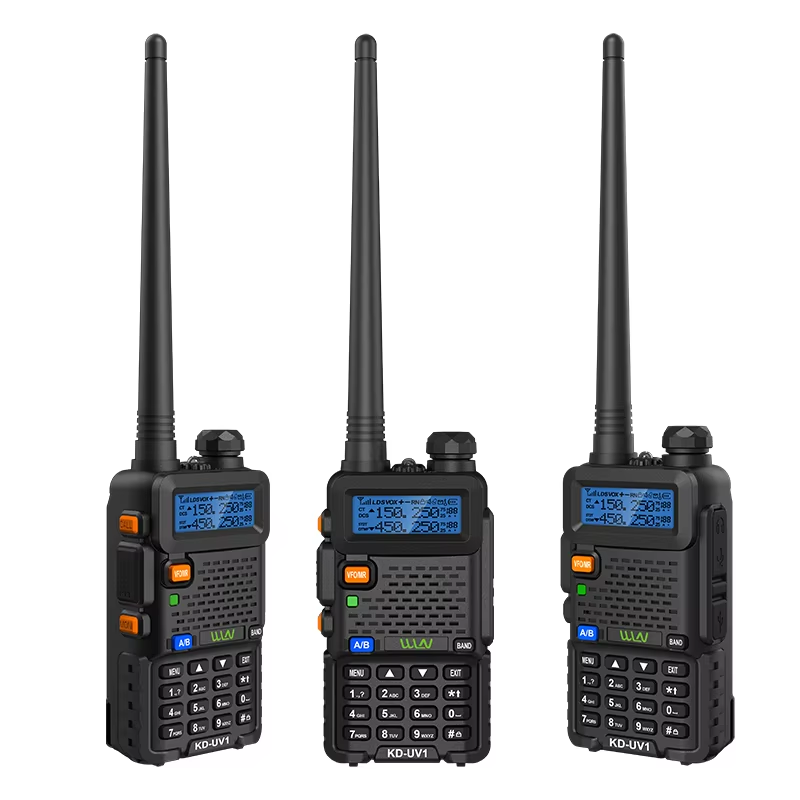
Battery Care: Maximizing Walkie Talkie Lifespan and Power Reliability
Proper battery management is essential for walkie talkie reliability. Lithium-ion batteries degrade rapidly when discharged below 20% or stored at 100% charge. Maintaining a daily charge range of 20–80% extends usable cycle life by up to 300% compared to full 0–100% discharges (Battery University, 2023).
Optimal Charging Habits to Prevent Overcharge and Deep Discharge
Use smart chargers with auto-shutoff—never leave devices charging overnight. For infrequently used radios:
- Perform one calibration cycle per month: discharge to ~15%, then fully recharge
- Avoid frequent shallow top-offs (e.g., 70% ‘ 90% &‘ 95%), which increase voltage stress without meaningful capacity gain
- Unplug immediately after reaching full charge to minimize thermal stress and electrolyte breakdown
Cleaning Battery Contacts and Managing Corrosion Risks
Corroded contacts cause nearly half (47%) of all power-related failures in two-way radios (Communications Tech Journal, 2022). Conduct monthly contact maintenance:
- Remove batteries and disconnect power
- Gently scrub contacts with 90%+ isopropyl alcohol and a lint-free cotton swab
- Inspect for green/white oxidation deposits—especially around spring-loaded terminals
- Apply a thin layer of dielectric grease to inhibit moisture ingress and galvanic corrosion
Replace severely pitted or discolored contacts promptly; continued use risks PCB damage or intermittent power loss.
Proper Storage Conditions and Timely Battery Replacement (Every 18 Months)
Store spare batteries at 40–60% state-of-charge in temperature-stable environments (15–25°C). Avoid freezing conditions (<0°C), which can fracture cell casings, and prolonged exposure above 30°C, which accelerates SEI layer growth and irreversible capacity loss.
| Age | Average Capacity Retention | Field Failure Rate |
|---|---|---|
| New | 100% | <2% |
| 18 mo | 70–80% | 12% |
| 24 mo | <60% | 29% |
Replace all primary batteries every 18 months—even if functional—due to rising internal resistance and unpredictable voltage sag under load. In mission-critical applications, degraded cells pose unacceptable risk of sudden shutdown mid-transmission.
Environmental Protection: Preserving Walkie Talkie Durability Against Dust, Moisture, and Temperature
Verifying IP-Rated Sealing and Waterproofing Integrity
The IP rating on a walkie talkie (like IP54 or IP67) tells us how well it stands up to environmental factors. Walkie talkies with an IP54 rating or better usually come with features such as gasketed ports, sealed seams, and membranes that resist dust. According to research from the Industry Reliability Consortium back in 2022, these protective measures can cut down internal corrosion problems by around two thirds compared to units without proper ratings. Don't forget to check those rubber seals every year for cracks, compression issues, or trapped dirt particles. A simple way to test their effectiveness is through a controlled water splash using low pressure spray equipment. Just remember not to actually submerge the device unless it specifically carries an IP67 or IP68 rating though!
Managing Humidity Exposure and Drying Protocols After Wet Use
Moisture is a leading cause of latent circuit corrosion—particularly in coastal, industrial, or high-humidity settings. After wet exposure:
- Wipe exterior surfaces with a microfiber cloth within 2 minutes
- Remove batteries and open all compartments—including antenna bases and accessory ports
- Air-dry in a clean, ventilated space (no direct sunlight or heat sources) for ¥24 hours before reassembly
Rapid drying protocols correlate with a 30% increase in median device service life (IEEE Communications Magazine, 2023).
Operating and Storing Walkie Talkie Within Safe Temperature Ranges
Extreme temperatures compromise both electronics and battery chemistry. Adhere strictly to these manufacturer-validated thresholds:
| Condition | Safe Temperature Range | Key Risks Beyond Limits |
|---|---|---|
| Operation | –10°C to 50°C (14°F to 122°F) | LCD screen freeze, audio distortion, processor throttling |
| Storage | –20°C to 60°C (–4°F to 140°F) | Electrolyte leakage, adhesive delamination, seal hardening |
When transitioning between extreme environments (e.g., cold vehicle to humid warehouse), allow 15–20 minutes for thermal equalization before powering on—this prevents condensation inside sealed enclosures. UV-stabilized housings further protect against long-term polymer degradation during outdoor storage.
Preventive Maintenance Routine: Inspection, Cleaning, and Functional Testing
Weekly Visual and Physical Inspection Checklist
Dedicate 10 minutes weekly to proactive inspection—this simple habit prevents 68% of minor issues from escalating into critical failures (Operational Reliability Journal, 2023). Focus on:
- Antenna integrity: Check for bends, cracks, or play at the base; replace if impedance shifts exceed ±5%
- Casing and seals: Look for hairline cracks, gaps near buttons or ports, or visible seal compression loss
- Buttons and ports: Test tactile response and clear lint/debris with a soft dry brush—not compressed air, which forces contaminants deeper
- Battery compartment: Confirm contact cleanliness, spring tension, and secure latch engagement
Monthly Functional Tests and Quarterly Deep-Diagnostic Checks
Monthly validation ensures consistent field performance:
- Verify transmission range across three environments: open field, urban canyon, and interior building
- Assess audio clarity using standardized noise-floor simulation (e.g., 65 dB(A) white noise)
- Benchmark runtime against original spec—flag deviations >10% for battery evaluation
Quarterly deep diagnostics require calibrated tools and documented procedures:
| Checkpoint | Procedure | Acceptance Threshold |
|---|---|---|
| Frequency calibration | Measure output frequency deviation using spectrum analyzer | ±0.5% of channel center |
| Signal strength | Record RF output (dBm) at 1-meter distance under max power | Within ±1.5 dB of spec |
| Emergency features | Trigger SOS/lone worker alert and confirm remote notification receipt | 100% activation success |
Any result exceeding tolerance warrants professional recalibration or component-level service. This tiered maintenance strategy reduces unplanned downtime by 41% annually.
User Practices and Charger Management for Sustained Walkie Talkie Performance
Good user habits matter just as much as taking care of the actual hardware. Keep those fingers clean and dry before touching any radio equipment because oils from skin and saltwater can really mess up buttons over time plus clog up speaker grilles. When putting away gear, go for cases that actually protect against impacts but still let air circulate through them. Don't ever stash radios inside sealed plastic bags or leave them sitting in damp storage areas somewhere. And charging? Stick strictly to what came from the manufacturer. Generic chargers tend to have all sorts of problems regulating power properly which can actually ruin lithium batteries permanently if used regularly.
Getting good charge discipline is really important stuff folks. Leaving batteries charging all night can eat away at their capacity pretty fast according to some research from Power Electronics Reliability Review back in 2023, somewhere around 20 to maybe even 30 percent loss each year. Better practice? Do those quick top-ups when shifts change or operations cycle through different phases. Always have at least one spare battery that's fully charged ready to go for longer jobs out in the field. And don't forget about keeping those charger contacts clean either. A simple swipe with a dry microfiber cloth once a month goes a long way toward stopping that pesky conductive film from building up which nobody wants messing with their equipment performance.
These practices collectively ensure dependable communication during high-stakes operations—and significantly reduce long-term ownership costs through fewer replacements and service interventions.
FAQ Section
What is the ideal charge range for walkie talkie batteries?
The ideal charge range for lithium-ion batteries in walkie talkies is 20% to 80%. Maintaining this range can extend battery cycle life by up to 300% compared to full discharges.
How often should battery contacts be cleaned?
Battery contacts should be cleaned monthly using 90%+ isopropyl alcohol and a lint-free cotton swab to prevent corrosion, which is responsible for nearly half of all power-related failures.
When should walkie talkie batteries be replaced?
Walkie talkie batteries should be replaced every 18 months, even if functional, due to increased internal resistance and unpredictable voltage sag under load.
What are safe temperature ranges for operating and storing walkie talkies?
For operation, safe temperatures are -10°C to 50°C (14°F to 122°F). For storage, the safe range is -20°C to 60°C (-4°F to 140°F).
Why is good charging discipline important for walkie talkies?
Good charging discipline prevents capacity loss and long-term damage to batteries. Avoid leaving batteries charging overnight to prevent 20-30% capacity loss annually.
Table of Contents
- Battery Care: Maximizing Walkie Talkie Lifespan and Power Reliability
- Environmental Protection: Preserving Walkie Talkie Durability Against Dust, Moisture, and Temperature
- Preventive Maintenance Routine: Inspection, Cleaning, and Functional Testing
- User Practices and Charger Management for Sustained Walkie Talkie Performance
- FAQ Section

