
 EN
EN



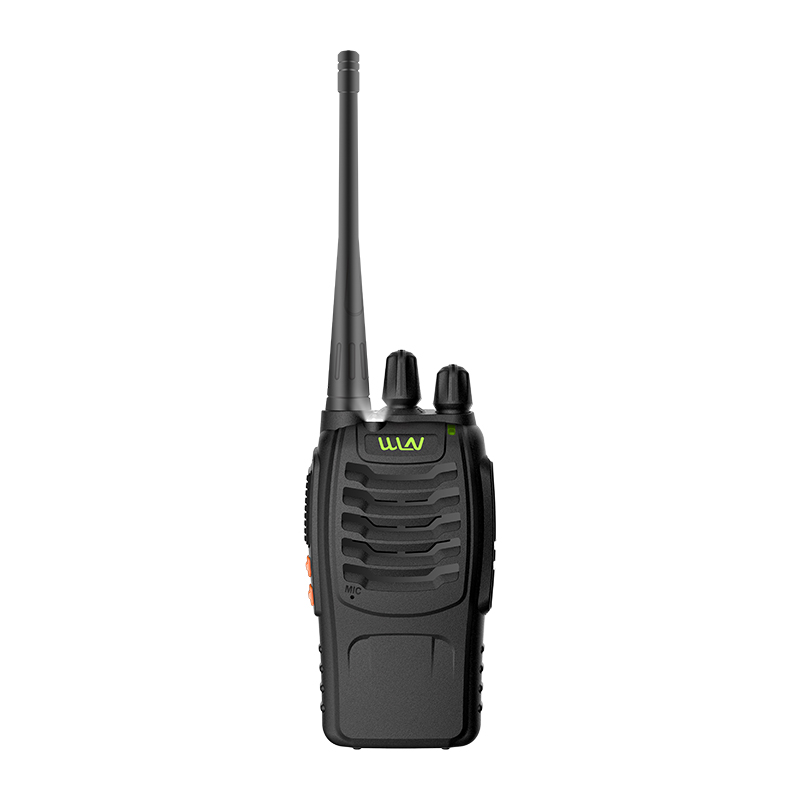
Understanding FCC Part 90: Core Requirements for Licensed Walkie Talkie Manufacturers
Why Part 90 Applies Exclusively to Licensed Business and Industrial Walkie Talkies
The FCC has specific rules about Part 90 compliance that apply mainly to business, industrial, and public safety radios working on licensed frequencies. These are different from regular consumer walkie talkies like FRS or GMRS models. The main reason? Higher power levels (some can go up to 50 watts), special frequency ranges (think VHF at 150 to 174 MHz and UHF from 421 to 512 MHz), plus their critical role in important operations. When companies get licensed for these radios, they basically secure their own channels so places like factories or emergency response teams don't run into interference problems during crucial moments. From the perspective of someone making walkie talkies, all this means creating equipment tailored for serious business needs. Think tough designs that can handle rough conditions and strong encryption security features. Consumer stuff like those fun recreational channels just doesn't fit into this picture at all.
Critical Technical Limits: Emission Mask, Occupied Bandwidth, and Spurious Radiation
Part 90 mandates three non-negotiable technical constraints for licensed radios:
- Emission Mask: Transmissions must stay within ±6.25 kHz of the center frequency to prevent adjacent channel interference
- Occupied Bandwidth: Signals cannot exceed 12.5 kHz bandwidth for narrowband operations
- Spurious Radiation: Harmful out-of-band emissions must be at least 50 dB below carrier power
Manufacturers implement hardware filters and firmware controls to meet these standards. Shielding RF components minimizes radiation leaks, while software algorithms automatically adjust power output and modulation parameters. Non-compliance risks costly recalls—regulatory penalties averaged $740,000 per incident in 2023, according to the Ponemon Institute.
The End-to-End Certification Workflow for a Walkie Talkie Manufacturer
Pre-Compliance RF Diagnostics: Mitigating Risk Before Formal Lab Testing
Smart manufacturers know to run radio frequency checks right from the start when building walkie talkies. These tests inside the company help spot problems with electromagnetic interference and make sure everything works within the proper spectrum range. They use special equipment that follows industry standards like ANSI C63.4 from 2023. Fixing these issues before sending products for official testing saves money in the long run. Moving antennas around or putting in extra shielding early on cuts down most certification delays. Getting this stuff sorted out upfront keeps projects on schedule and keeps engineering costs from spiraling out of control. Most companies find that spending time on these preliminary tests pays off handsomely later on.
Accredited Lab Validation: Radiated Emissions, Conducted Power, and Modulation Fidelity
Formal testing occurs at FCC-accredited facilities using standardized procedures. Rigorous validation includes:
- Radiated emissions measurements, confirming signals stay within assigned bands
- Conducted power verification, ensuring transmitter output aligns with licensed parameters
- Modulation fidelity analysis, validating signal clarity, stability, and spectral purity
Leading labs test devices under operational extremes—temperature cycling, voltage fluctuations, and signal congestion scenarios. Full compliance reports form the foundation for FCC submissions, with typical validation requiring 2–4 weeks and costing $15,000–$45,000 depending on radio complexity.
Navigating the FCC Grant Process: TCB Selection, Submission, and Approval Timeline
Once pre compliance testing is done, manufacturers of walkie talkies need to find an FCC approved Telecommunications Certification Body or TCB that knows their way around Part 90 two way radio systems. These folks really get into the weeds on things like emission masks and those tricky spurious radiation limits, which makes getting approval go much smoother and cuts down on having to fix problems later. When putting together the submission package, companies end up needing a whole bunch of paperwork usually around 20 different items or so. Think schematics, all sorts of test results, user guides, and those mandatory RF exposure assessments too. Everything goes through the FCC's Equipment Authorization System called EAS for short. Before any of this can happen though, manufacturers have to grab themselves a Grantee Code also known as FRN to set up their official FCC profile. Without this code, nothing else gets processed.
The time it takes to get approval usually runs anywhere from four to twelve weeks, and this varies quite a bit based on how complicated the device is and what's going on at the TCB. A lot of delays happen because companies submit incomplete technical paperwork or miss the mark on RF exposure docs, especially when dealing with portable gadgets that need those SAR tests done. When everything checks out, the TCB hands over an FCC ID so the product can legally hit the market. Once granted, this certification stays good forever as long as no changes are made to the hardware. But here's the catch: manufacturers still need to keep thorough compliance records just in case the FCC comes knocking for an audit down the road.
Post-Certification Obligations: Labeling, Marketing Integrity, and Ongoing Compliance
FCC ID Labeling Rules and Digital Labeling Eligibility for Portable Radios
For most professional grade portable radios out there, physical labeling is still required by law, which means those FCC ID numbers have to be permanently marked somewhere on the actual housing. But things are changing a bit now that digital labels are allowed too, at least for smaller devices that meet certain FCC standards. Basically, the FCC ID needs to live inside the device's software menu system instead of being stuck on plastic somewhere. Users can find it through regular navigation options without needing any special tools or taking apart the radio. While this approach saves precious real estate on the device itself, manufacturers need to keep really good records about who gets what firmware versions installed. The bottom line stays the same though no matter how we mark them these days. If anything changes in production after testing has been completed, all those hard earned certifications go right down the drain. Companies also face ongoing scrutiny long after products hit shelves. Regular checks happen every three months looking at emissions levels while supply chains get audited constantly to catch anyone trying to swap out approved components. And let's not forget what happens when rules get broken here. The FCC hasn't been shy about seizing non compliant equipment and handing out penalties upwards of half a million dollars based on their reports last year alone.
Top Compliance Pitfalls Unique to Walkie Talkie Manufacturers
Antenna Integration, Firmware-Driven Frequency Hopping, and Shielding Failures
Manufacturers making walkie talkies run into all sorts of tricky compliance problems that can really mess up getting FCC approval. Problems with how antennas are integrated account for way more than half of those certification delays actually. When things like impedance mismatches happen or grounding isn't done right, it creates unwanted radiation outside what's allowed by Part 90 standards. Then there's the whole issue with firmware controlled frequency hopping. If the software starts acting differently than what was originally certified, it can lead to problems with channel usage and bandwidth requirements. Compact radio designs tend to have shielding issues too, which causes excessive radiation especially around power amplifier components. Most of these troubles come back to companies rushing through prototypes or skipping proper pre-testing phases, which ends up costing them time and money during redesigns and pushing product launches further out. To avoid these headaches, smart manufacturers bring together RF engineers, firmware experts, and compliance folks from day one of development rather than waiting until problems show up later on.
Frequently Asked Questions (FAQ)
What is FCC Part 90, and why is it important for walkie talkie manufacturers?
FCC Part 90 regulates licensed business and industrial radios. It is important for manufacturers because it involves compliance with specific technical standards, power levels, and frequency ranges crucial for avoiding interference and ensuring reliable communication.
What are the core technical requirements for Part 90 compliance?
The core technical requirements include adherence to emission masks, maintaining specified occupied bandwidth, and ensuring spurious radiation levels are within designated limits.
What does the certification workflow for a walkie talkie manufacturer entail?
The certification process involves pre-compliance RF diagnostics, accredited lab validation, and navigating the FCC grant process, including submission and approval.
How can manufacturers avoid common compliance pitfalls?
Manufacturers can avoid pitfalls by integrating RF engineers, firmware experts, and compliance specialists early in the product development process to ensure thorough testing and adherence to standards.
Table of Contents
- Understanding FCC Part 90: Core Requirements for Licensed Walkie Talkie Manufacturers
- The End-to-End Certification Workflow for a Walkie Talkie Manufacturer
- Navigating the FCC Grant Process: TCB Selection, Submission, and Approval Timeline
- Post-Certification Obligations: Labeling, Marketing Integrity, and Ongoing Compliance
- Top Compliance Pitfalls Unique to Walkie Talkie Manufacturers
- Frequently Asked Questions (FAQ)

