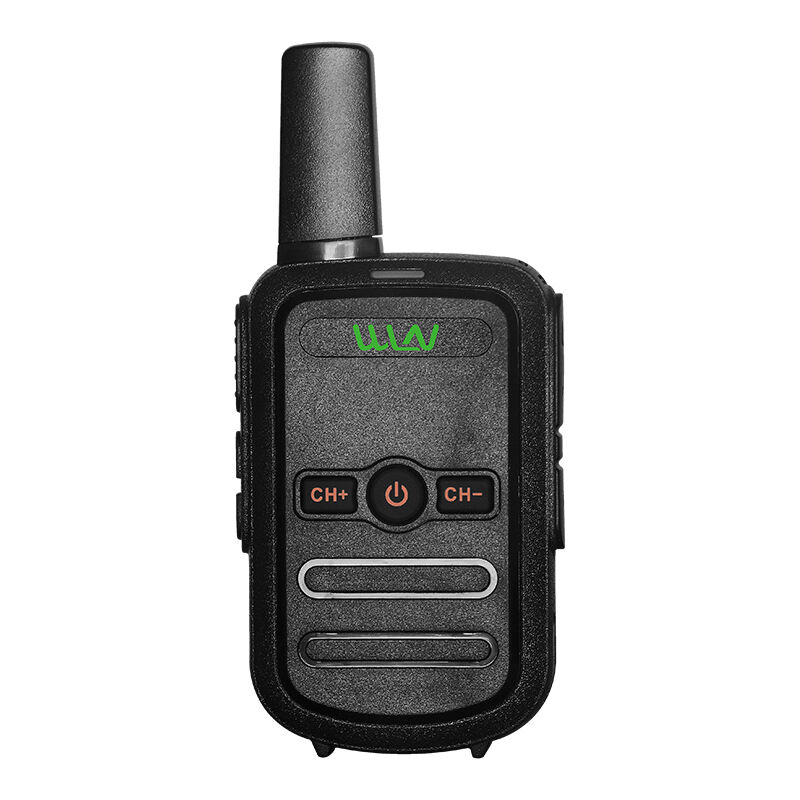
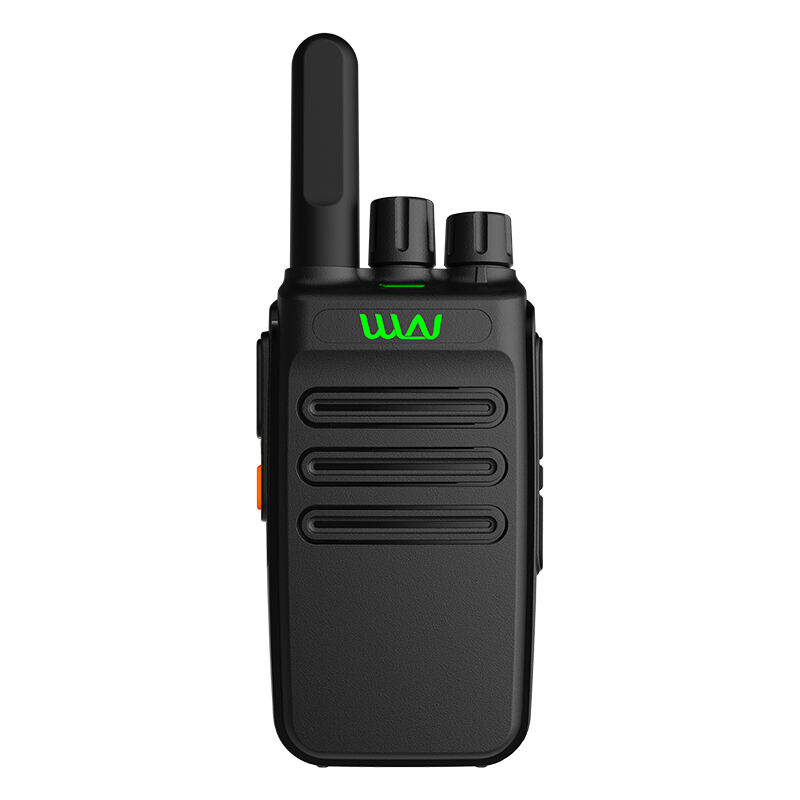
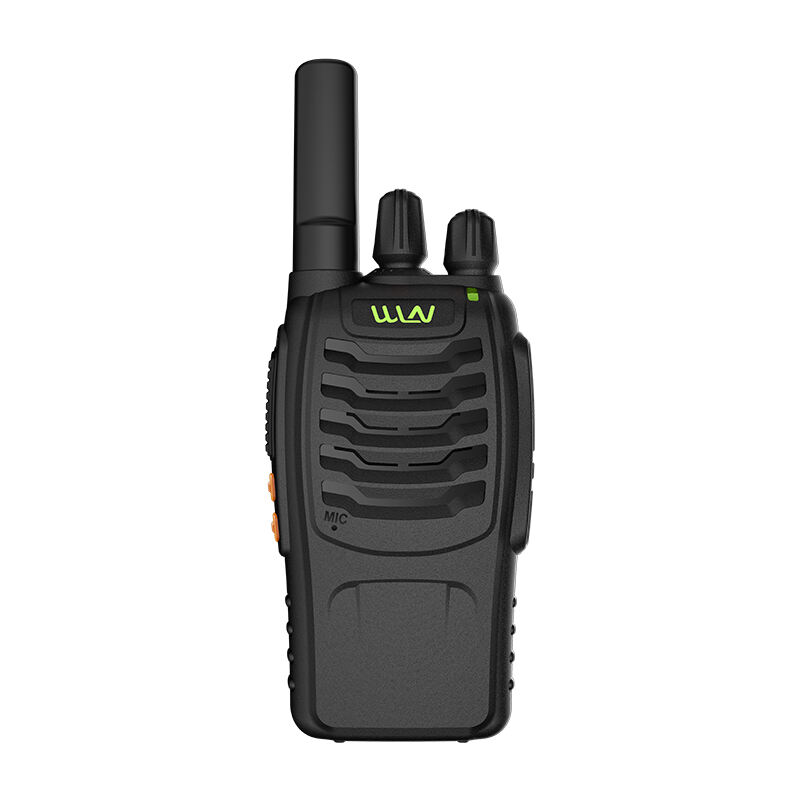
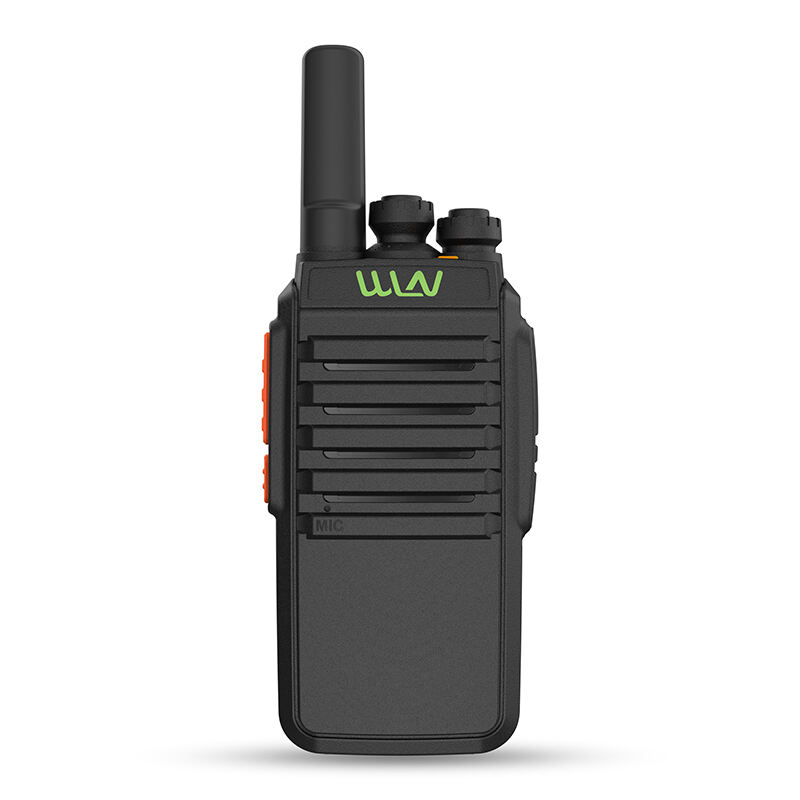
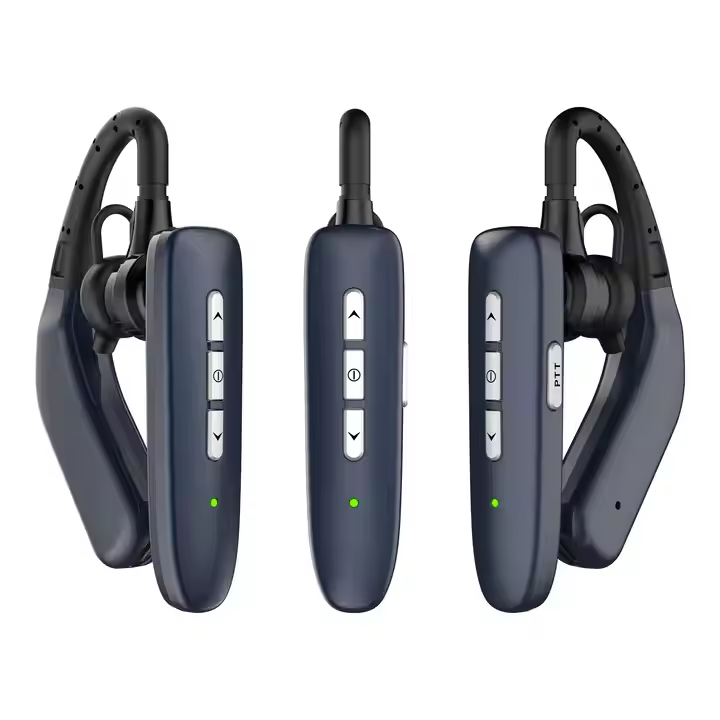
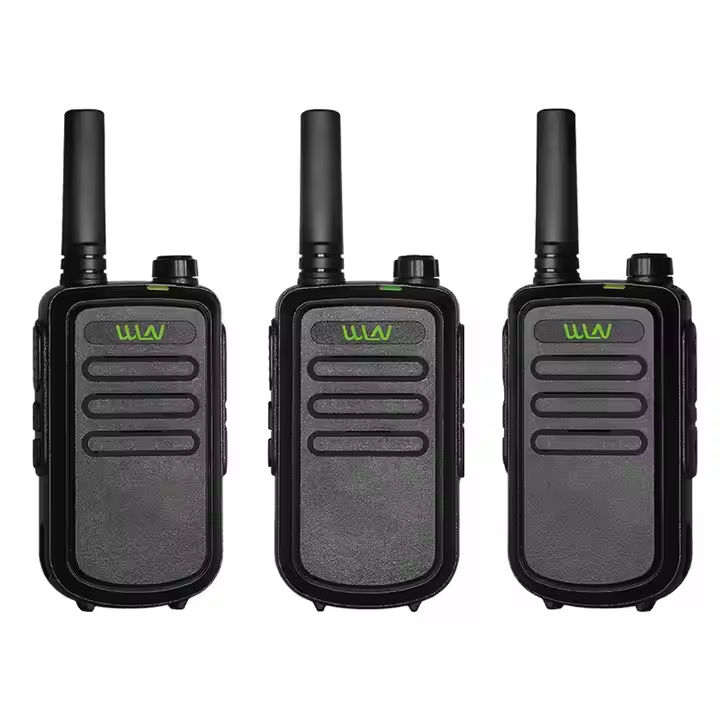
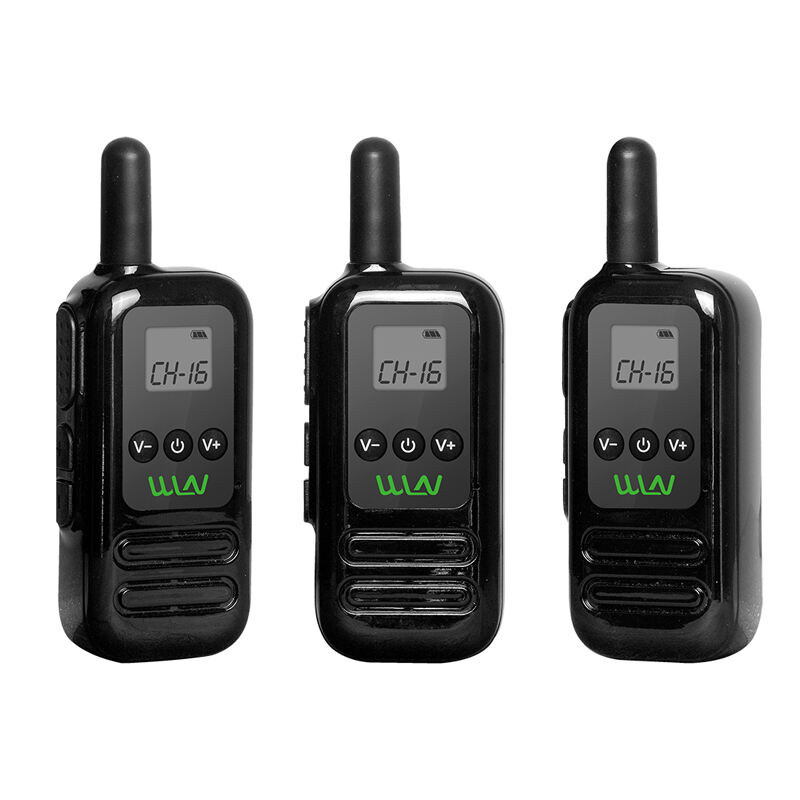
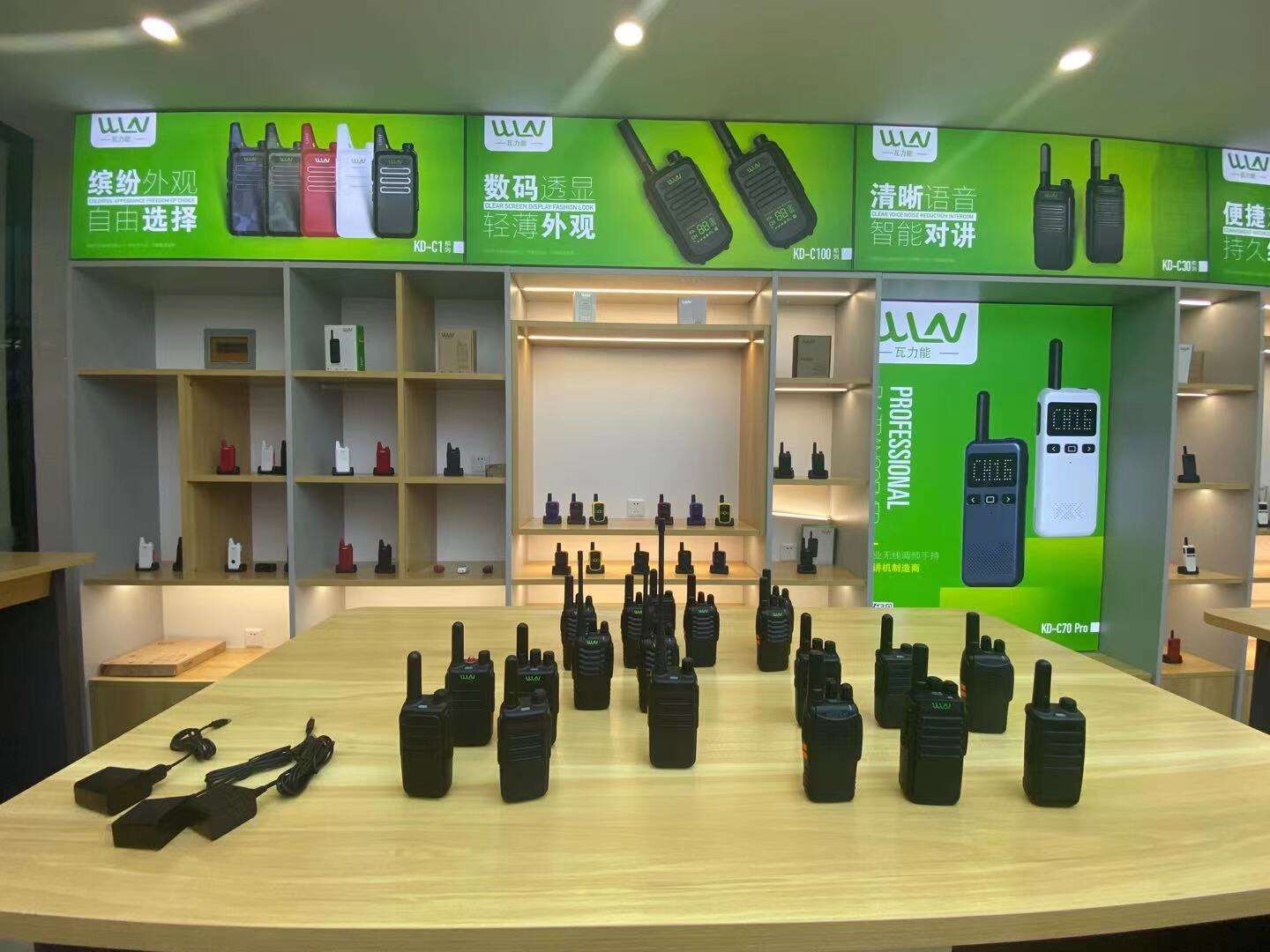
Mini radio for emergency is a specialized communication device designed to provide reliable short-range communication during unexpected situations where traditional communication methods (such as mobile phones) may fail—including natural disasters (earthquakes, floods), power outages, outdoor emergencies (getting lost while hiking, camping accidents), or public safety incidents (evacuations, on-site coordination). Quanzhou Kaili Electronics Co., Ltd. develops its mini radio for emergency with a focus on three core priorities: reliability, durability, and ease of use—ensuring that it can perform when needed most and be operated by anyone, even in high-stress situations. The first critical feature of the mini radio for emergency is its reliable signal performance: it uses a high-sensitivity UHF/VHF dual-band signal module that maintains connectivity in challenging environments where mobile networks often fail, such as dense buildings (damaged during disasters), remote outdoor areas (forests, mountains), or areas with damaged infrastructure (power outages affecting cell towers). The radio is tested in the company’s laboratory using imported signal analyzers to verify its ability to transmit and receive clear messages over distances of 1-5 kilometers (depending on terrain), with anti-interference technology that filters out noise from damaged equipment or other emergency communications. Durability is essential for emergency use, as the radio may be exposed to harsh conditions: the mini radio for emergency features a rugged casing made of impact-resistant ABS plastic reinforced with a rubberized edge, capable of withstanding drops from 2 meters onto hard surfaces (tested to simulate being dropped during an evacuation) and resisting damage from dust, debris, or light impacts. It also meets an IPX6 waterproof standard, meaning it can withstand heavy rain, splashes, or brief submersion in water (up to 30 minutes at 1 meter depth)—critical for use during floods or rainy outdoor emergencies. Ease of use is paramount in emergency situations, where users may be stressed or have no prior experience with the device: the mini radio for emergency has a simplified interface with large, easy-to-press buttons (power/talk, channel select) that can be operated even with gloves, and a bright LED display (with backlighting for low-light conditions) that clearly shows the current channel and battery level. It also features a "one-touch emergency call" function that instantly transmits a pre-recorded alert (e.g., "Emergency, need assistance at [location]") to all radios on the same channel, saving time in urgent situations. Battery life and power options are tailored for emergency scenarios: the radio is equipped with a high-capacity rechargeable lithium-ion battery that provides up to 20 hours of continuous talk time and 100 hours of standby time—enough to last through multiple days of an emergency situation without recharging. It also supports alternative power sources, such as USB-C fast charging (compatible with portable power banks or solar chargers for outdoor emergencies) and replaceable AA batteries (as a backup if rechargeable power is unavailable)—ensuring that the radio remains operational even when access to electricity is limited. Additional emergency-specific features include a built-in LED flashlight (providing illumination for low-light situations like night evacuations or searching for supplies) and a low-battery warning that alerts users when power is running low (giving ample time to switch to backup power). Quanzhou Kaili Electronics ensures the reliability of the mini radio for emergency through rigorous testing: each unit undergoes 15 stages of assessment, including extended signal testing in simulated disaster environments, durability testing (drop, impact, waterproof), battery life testing under continuous use, and operation testing in extreme temperatures (-15°C to 60°C) to ensure it works in harsh weather conditions. The company’s R&D team also works to align the radio with emergency communication best practices, such as pre-programming it with common emergency channels (e.g., local public safety frequencies where applicable) and ensuring compatibility with other emergency communication devices used by first responders or community groups. Adhering to its "quality win" philosophy, the mini radio for emergency is built to last, providing a dependable communication tool that users can trust in critical situations—whether used by families preparing for natural disasters, outdoor enthusiasts carrying a backup device, or community organizations coordinating emergency response. Its design and performance meet the needs of users across diverse cultural backgrounds, who all share the priority of staying connected and safe during emergencies.