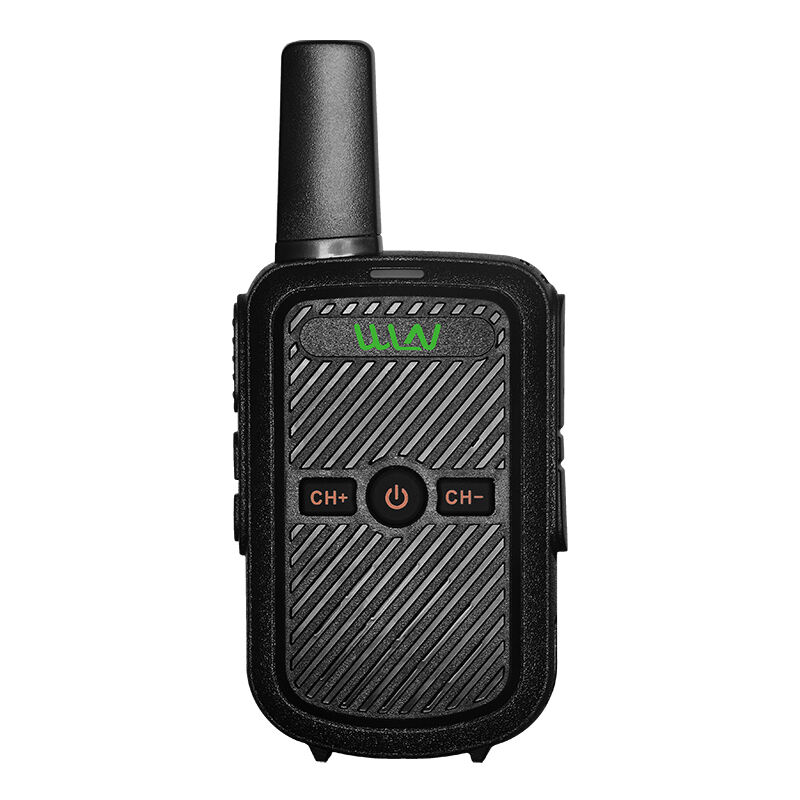
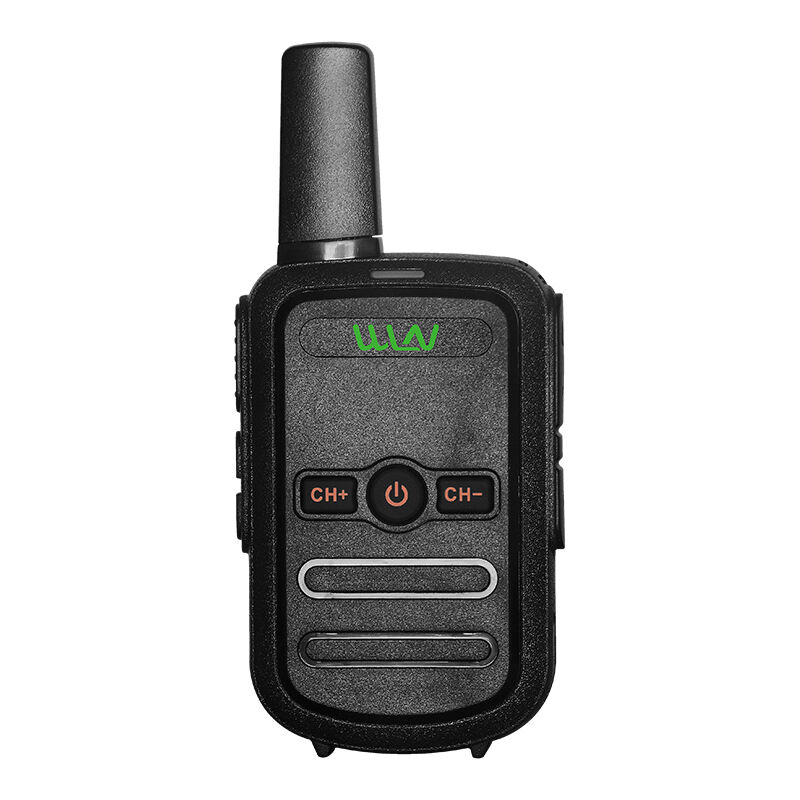
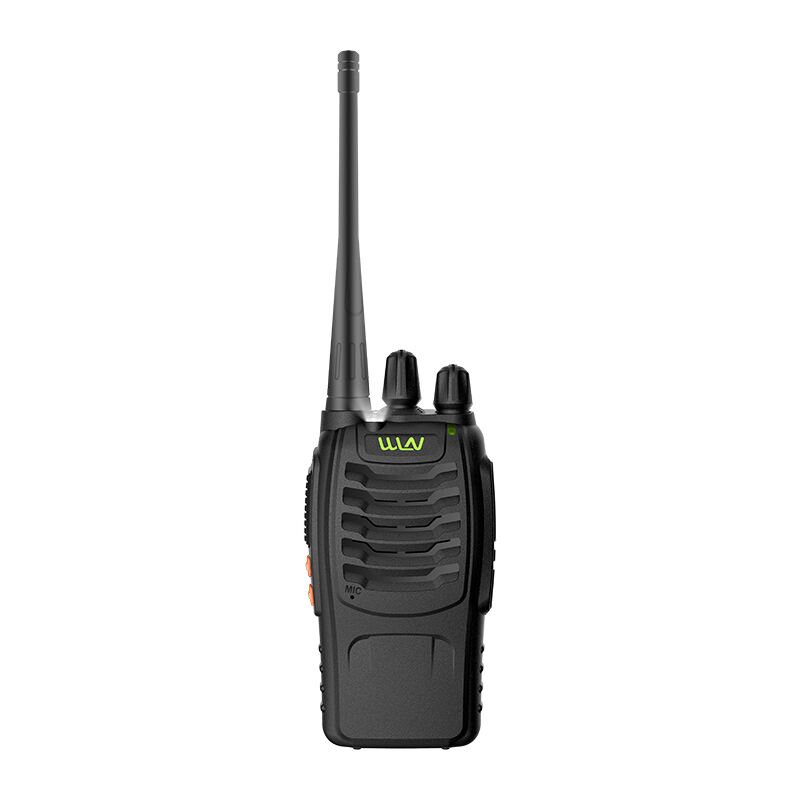
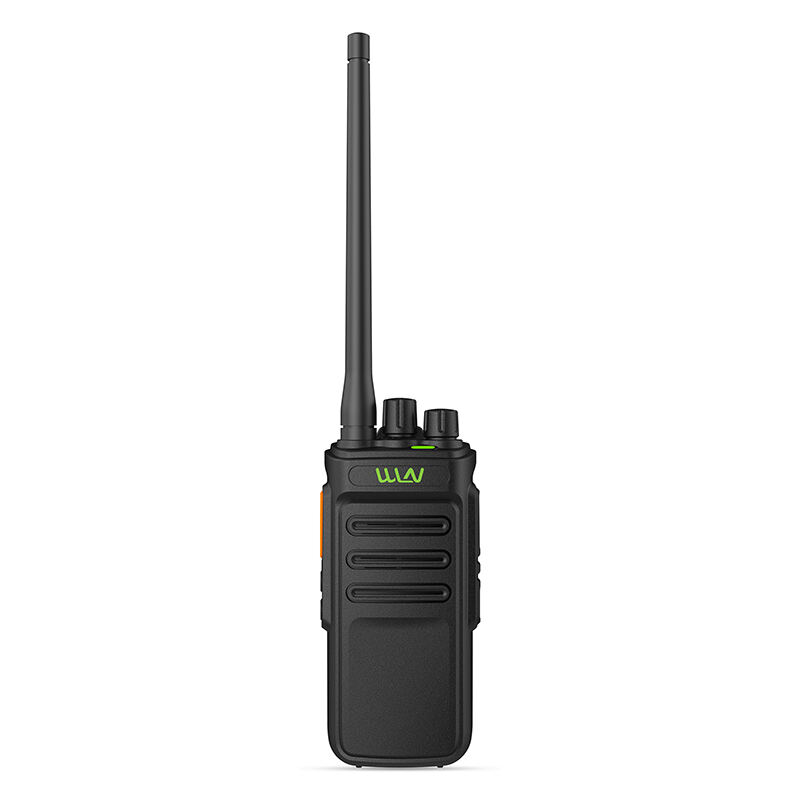
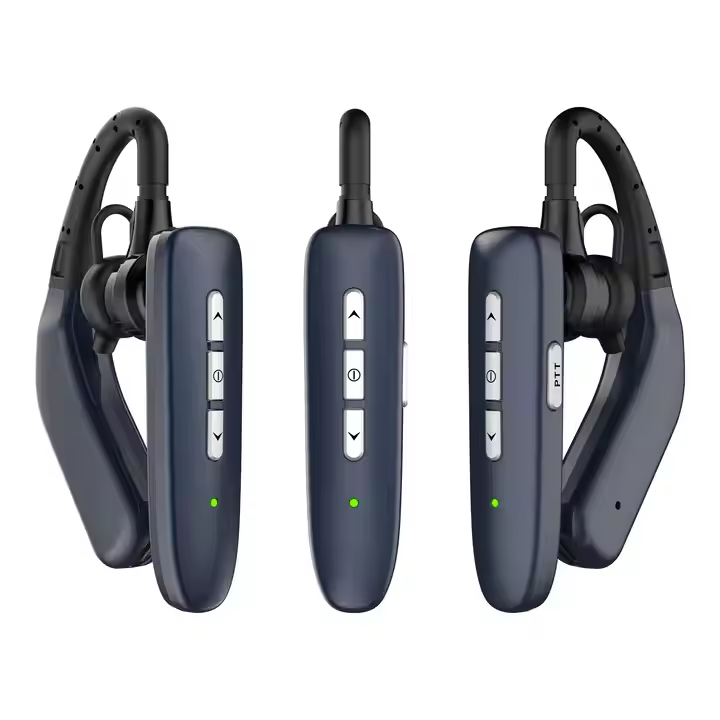
Earhook radio for hiking is a specialized communication device designed to meet the unique needs of hikers—whether day hikers, backpackers, or multi-day trekkers—addressing requirements such as lightweight earhook design, durability in rugged terrain, long battery life for extended trips, clear communication in mountainous areas, and resistance to weather changes. Quanzhou Kaili Electronics Co., Ltd. develops this radio by integrating hiking-specific features with its expertise in earhook walkie-talkies, leveraging its 12,000-square-meter standard factory, advanced outdoor performance technologies, and imported testing instruments to create a tool that enhances safety and coordination for hikers. The radio’s earhook design is optimized for hiking comfort and functionality: it weighs just 32 grams (lighter than a standard lighter) and features a soft, ergonomic silicone earhook that conforms to the ear’s curve—ensuring it stays in place during strenuous hiking movements (e.g., climbing steep trails, crossing streams) without causing ear fatigue, even after 8+ hours of wear. The earhook is adjustable to fit different ear sizes (from teens to adults) and has a non-slip texture that remains secure even when wet (from sweat or rain). The main body of the radio is compact (3.5cm×2cm×1cm) and hangs vertically below the ear, keeping it out of the way of backpack straps, hiking poles, or gear belts while remaining easily accessible for quick channel adjustments or emergency calls. The earpiece uses bone-conduction technology that delivers audio through the earbone, eliminating the need for an in-ear bud that could block ambient sounds—critical for hikers who need to stay aware of potential hazards (e.g., falling rocks, wildlife, or approaching storms). Durability in hiking terrain (e.g., rocky trails, dense forests, alpine meadows) is a key feature: the radio’s casing is made of a high-strength polycarbonate composite that can withstand drops from 1.8 meters onto rocks or tree roots without damage. It meets an IP66 waterproof and dustproof standard, protecting it from heavy rain, snow, and dust (from dirt trails or sand dunes)—common in hiking environments. The buttons are reinforced with a metal backing to resist damage from being pressed against backpack straps or rocks, and the charging port is protected by a waterproof rubber cap that must be twisted to open—preventing water intrusion during stream crossings or rainstorms. The radio undergoes "hiking terrain testing" in the factory—being dragged through dirt, dropped onto rocks, and exposed to rain—to ensure it remains functional in rugged conditions. Clear communication in mountainous and wooded hiking areas (where signal can be blocked by terrain or trees) is achieved through a dual-band (UHF/VHF) signal module and a high-gain integrated antenna. The UHF band is optimized for dense forests (penetrating tree cover) with a range of 1–1.5 kilometers, while the VHF band performs better in open mountainous areas (with line-of-sight) delivering a range of 3–4 kilometers. The radio includes a "terrain mode" that automatically switches between UHF and VHF based on signal strength, ensuring stable communication as hikers move between different environments (e.g., from a forested valley to a mountain ridge). It also features advanced noise reduction technology that filters out wind noise (up to 50km/h winds common on mountain tops) and background sounds like rustling leaves, ensuring speech remains clear. Battery life is critical for hiking trips, which often last 6–12 hours for day hikes or multiple days for backpacking. The radio uses a 1000mAh rechargeable lithium-ion battery that provides up to 10 hours of continuous talk time and 60 hours of standby time—sufficient for a full day hike. For multi-day trips, it supports fast charging via a USB-C port (compatible with portable power banks or solar chargers common in backpacking gear) and can recharge to 80% capacity in 1 hour. The battery is designed to perform in a wide temperature range (-15°C to 50°C)—essential for alpine hiking (cold temperatures) or desert hiking (hot temperatures)—and maintains 80% capacity after 500 charge-discharge cycles. A low-battery indicator (a blinking red light on the earpiece) alerts hikers when power is running low, giving ample time to recharge. Additional hiking-specific features include a built-in altimeter (in premium models) that displays elevation on a small OLED screen—useful for tracking progress and avoiding altitude sickness. The radio has a "find my hiking partner" function that sends a repeated signal to other radios in the group, helping locate separated hikers. It includes a lanyard hole for attaching a lightweight carabiner (included) to clip the radio to a backpack strap for easy access. The buttons are large and textured, making them easy to press with gloved hands (common in cold hiking conditions). The radio also supports a "silent alert" function that vibrates instead of beeping for incoming calls—useful for quiet hiking areas where noise may disturb wildlife or other hikers. Adhering to its "quality win" philosophy, Quanzhou Kaili Electronics subjects each earhook radio for hiking to 14 stages of quality control, including durability testing, waterproof testing, signal performance testing, and battery life verification. With over 250 employees dedicated to R&D and production, this radio serves as a reliable safety tool for hikers worldwide, enhancing their ability to stay connected with hiking partners, call for help in emergencies (e.g., injury, getting lost), and coordinate route changes—all while remaining lightweight and unobtrusive. It aligns with Quanzhou Kaili Electronics’ goal of delivering high-quality, outdoor-specific products that meet the needs of adventure enthusiasts.

 EN
EN